Between reports of cyberattacks, technology outages, global conflicts, and governments encouraging households to stock up on emergency supplies, it’s understandable that some people feel uneasy about the future.
But while these concerns have prompted more conversations about emergency preparedness, some preppers are reminding people that being prepared shouldn’t mean spending every day anticipating the next disaster.
In a recent Reddit discussion, members opened up about growing concerns over world events and shared advice on how to prepare for uncertainty without letting it consume their lives.
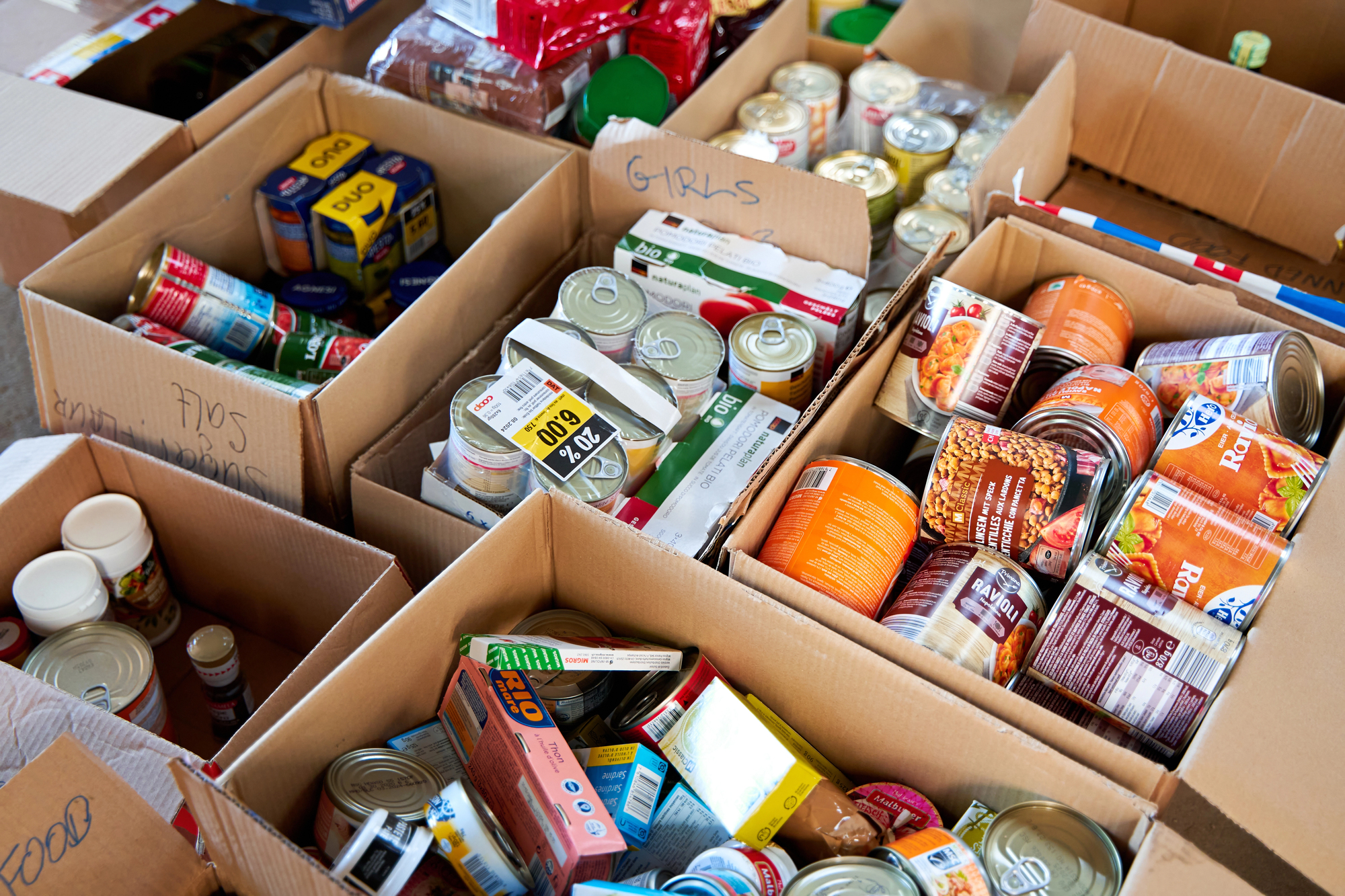
Recent world events are leaving people feeling overwhelmed
With unsettling news coming from different parts of the world, it can be difficult to know which threats to take seriously and how much preparation is enough. Reports of infrastructure disruptions, international conflicts, and potential emergencies have left some people questioning whether they’re adequately prepared.
Even within the prepping community, where planning for unexpected situations is part of everyday life, some worry about becoming too consumed by what could go wrong.
Several preppers emphasized focusing on what you can control, such as building a supply of essential goods, learning practical skills, and having a household emergency plan. Staying informed is important, but not every unsettling headline requires an immediate response.
Constant exposure to bad news can make things feel worse
Between social media, news alerts, and online discussions, it’s possible to spend hours consuming content about everything that could potentially go wrong.
Several preppers pointed out that social media algorithms can make matters worse by recommending more of the same alarming content. Before long, a simple search for emergency supplies can turn into hours of watching videos predicting catastrophic events.
Taking occasional breaks from the news, spending time outdoors, and focusing on everyday activities were among the suggestions shared by those who had experienced similar feelings.
Prepare for realistic emergencies rather than every possible disaster
It’s easy to get caught up in preparing for worst-case scenarios while overlooking more common disruptions that could affect your household.
A prolonged power outage, an interruption to your water supply, severe winter weather, or temporarily losing access to grocery stores are all reasonable situations to prepare for.
Rather than trying to anticipate every possible disaster, consider how your household would manage without electricity, running water, heating, or internet access for several days. This can help you identify practical gaps in your preparations without becoming overwhelmed.
Emergency preparedness doesn’t have to happen overnight
Some people expressed concerns about not having enough time or money to purchase everything recommended on emergency preparedness checklists.
The pressure to build a substantial stockpile can be particularly overwhelming for households already struggling with everyday expenses. However, having a few days’ worth of extra food and water is a perfectly reasonable starting point.
Gradually adding pantry staples, batteries, hygiene products, and other everyday essentials whenever your budget allows can help you become better prepared without putting unnecessary financial pressure on yourself.
Building practical skills can be just as valuable as buying supplies
One prepper explained that rather than getting overwhelmed by extensive emergency supply lists, they focused on developing practical skills, including DIY projects and repairing household items.
Knowing how to mend clothing, locate your home’s water shutoff valve, prepare meals from pantry ingredients, and manage everyday household problems can all help you become more self-reliant.
Building relationships within your local community is also worth considering. Having people you can rely on during difficult circumstances can be just as valuable as some of the supplies you keep at home.
Government preparedness advice isn’t necessarily a reason to panic
Some preppers pointed out that governments have been encouraging households to maintain emergency supplies for years. Recent publicity around these recommendations doesn’t necessarily mean a major disaster is imminent.
Keeping extra food, water, medications, and basic emergency supplies is a practical precaution that can benefit households regardless of what’s happening in the news.
The idea is to reduce your dependence on immediate access to essential goods and services, not to live under the assumption that something terrible is about to happen.
Being prepared should give you peace of mind
Perhaps the most valuable reminder from the discussion came from one prepper who wrote, “This is the reason we prepare, to not have to worry about things so much.”
There’s always going to be something happening in the world that’s beyond our control. Spending every day worrying about what might happen won’t necessarily make us any better prepared for it.
Build your emergency supplies gradually, develop useful skills, and make reasonable preparations for situations that could affect your household. But don’t forget to enjoy the life you’re working so hard to protect.