Canned foods are among the most convenient groceries to stock up on, especially since many can last for years under the right conditions. But where you store them matters more than you might think.
According to the U.S. Department of Agriculture (USDA), exposure to moisture and extreme temperatures can shorten the shelf life of canned goods, affect their quality, and increase the risk of spoilage.
Whether you’re building an emergency food stockpile or simply keeping a few extra groceries on hand, here are six places you should avoid storing canned food.
Above or Next to the Stove
The cabinet above or beside your stove might seem like a convenient place to store canned goods, especially if you use them regularly. However, repeated exposure to cooking heat creates less-than-ideal storage conditions.
The USDA warns that temperatures above 100 degrees Fahrenheit are particularly harmful to canned goods, with the risk of spoilage increasing as temperatures rise.
Under the Kitchen Sink
The area underneath your kitchen sink is susceptible to moisture, condensation, and unexpected plumbing leaks. Moisture exposure can cause metal cans to rust and eventually compromise the integrity of the container.
It’s best to reserve this space for household cleaning supplies rather than food storage.
In a Damp Garage
The garage may seem like the perfect place to store overflow groceries, particularly if you’re short on pantry space. However, many garages lack temperature and humidity control, leaving canned goods exposed to seasonal temperature extremes and moisture.
Unless your garage stays consistently cool and dry year-round, find another place to store your canned food.
In a Damp Basement
Basements can provide plenty of additional storage space, but excess moisture and humidity can make them unsuitable for canned goods. Over time, these conditions can encourage rust and damage the containers.
A dry, temperature-controlled basement may be suitable for food storage, but avoid basements with persistent moisture problems.
In a Hot Attic
Attics can become considerably hotter than the rest of the house, particularly during the summer months. These elevated temperatures can accelerate the deterioration of canned food, affecting its taste, texture, and nutritional quality.
Even if you’re running out of storage space elsewhere in your home, an unconditioned attic isn’t a good alternative.
In an Unheated Outdoor Shed
Outdoor storage sheds are typically exposed to significant temperature fluctuations throughout the year. Canned goods stored in these spaces may experience excessive heat during summer and freezing temperatures during winter.
Where Should You Store Canned Food Instead?
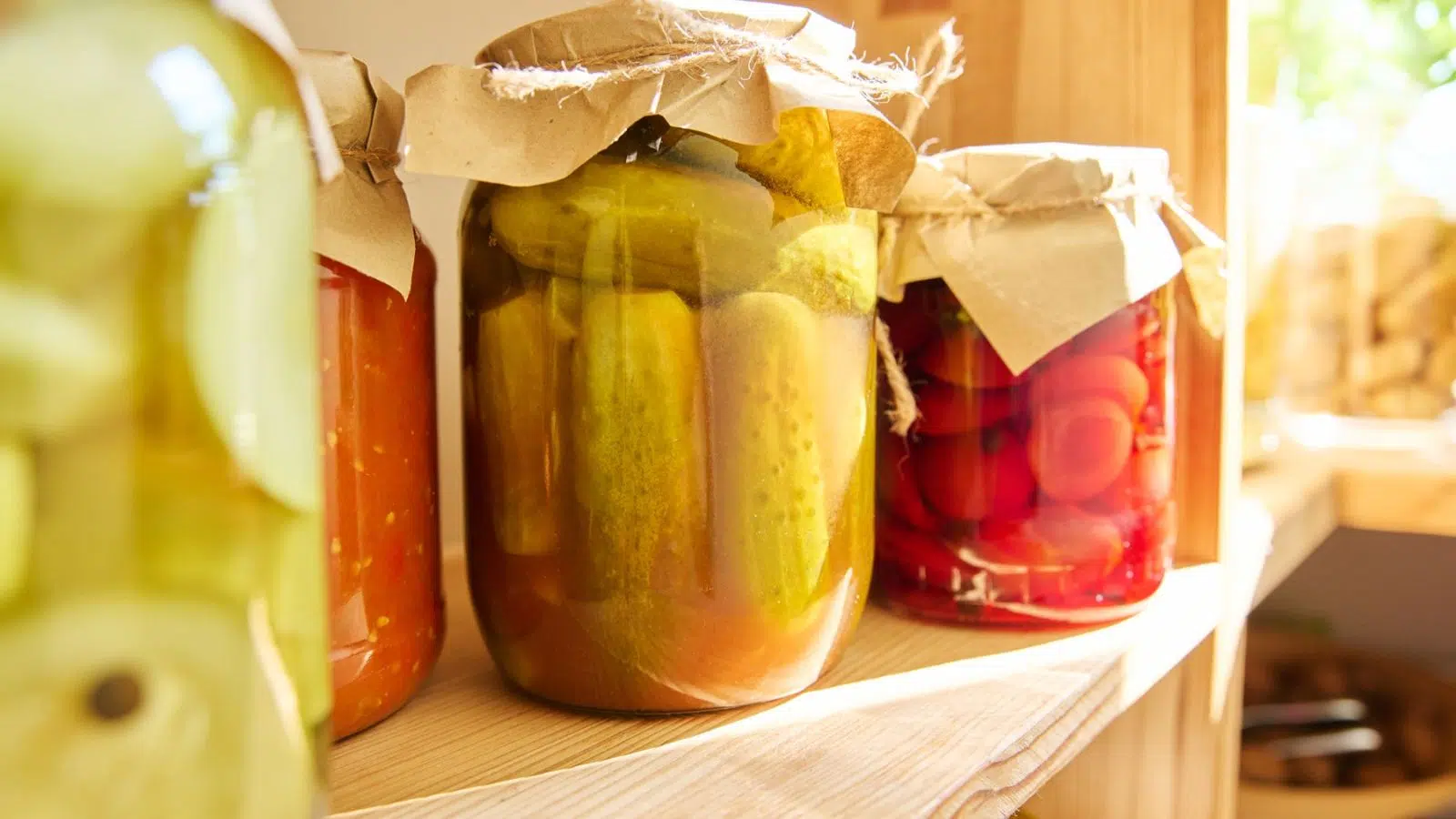
The USDA recommends storing canned goods in a cool, dry location where temperatures remain below 85 degrees Fahrenheit. A kitchen pantry, interior cupboard away from heat sources, or a dry, temperature-controlled storage room are all better options.
It’s also worth checking your pantry every few weeks and rotating older cans into your regular meals before using newer purchases. Avoid buying or consuming cans that are bulging, leaking, rusted, or deeply dented.
Canned food may have a long shelf life, but proper storage is important to keep it safe and usable for as long as possible.