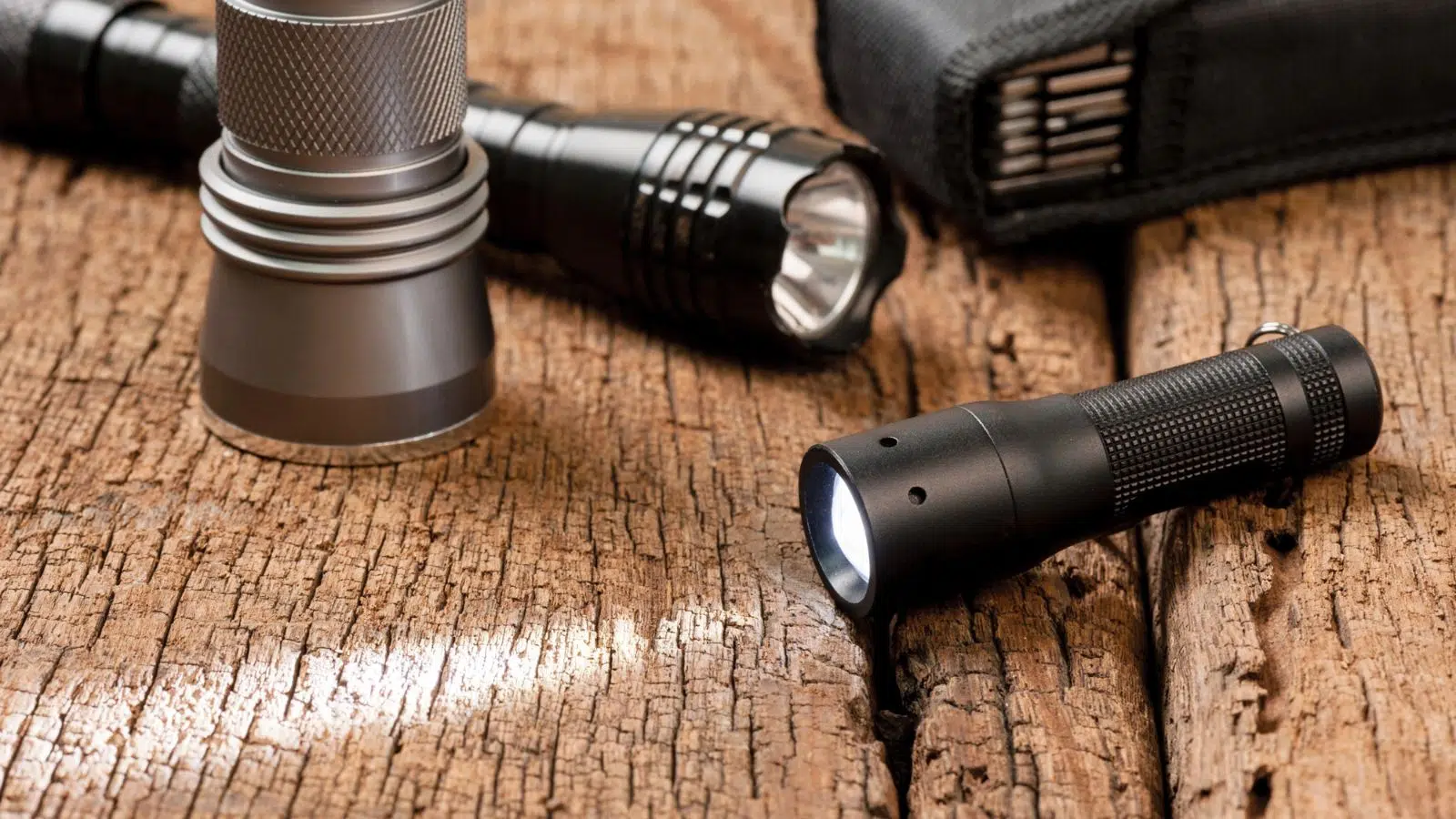
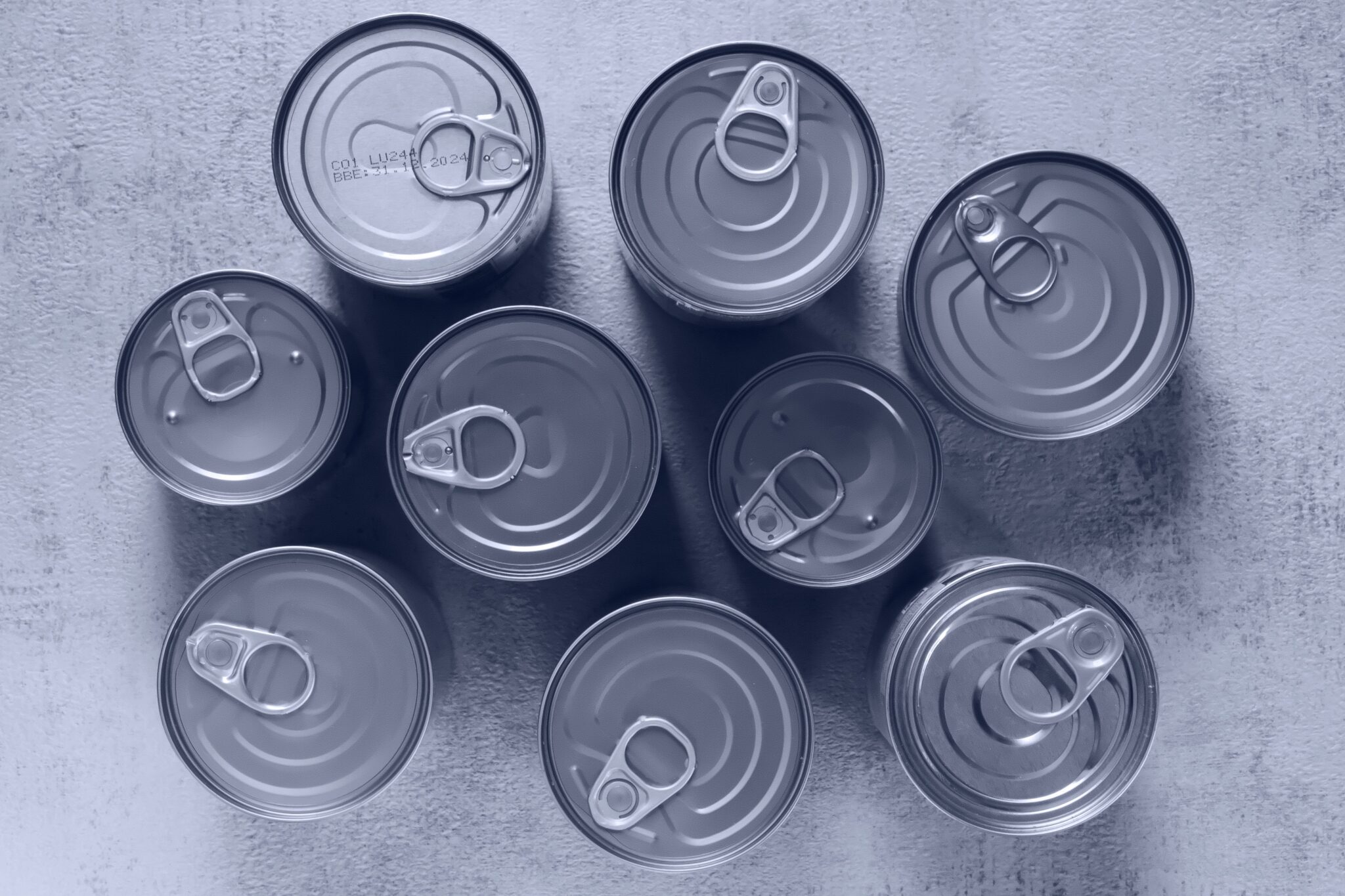
Americans are stocking up on emergency supplies again, and recent technology outages appear to be fueling renewed interest.
A series of disruptions affecting flights, email services, and banking transactions has raised concerns about what could happen if essential systems stopped working for an extended period. Some consumers are responding by purchasing extra food, fuel, medications, and other household necessities.
According to a recent CNBC report, spending on emergency preparedness products has increased, and retailers and Wall Street analysts have taken notice.
But does this mean Americans are panic-buying again, or are they simply taking precautions?
Recent Outages Are Fueling Concerns
Several high-profile technology outages have disrupted services that millions of Americans rely on every day, including airline operations, email platforms, and banking transactions.
The incidents have also fueled online speculation about cyberattacks and the possibility of larger disruptions to the country’s infrastructure. Government officials have dismissed claims suggesting that the recent malfunctions are part of a coordinated threat.
Despite those reassurances, some Americans aren’t waiting for another outage before purchasing additional emergency supplies.
Related: 15 Foods to Keep Stocked for Power Outages and Other Emergencies
Retailers Are Seeing an Opportunity
The increase in preparedness spending has attracted attention from Wall Street analysts, who are examining what the trend could mean for retailers such as Costco.
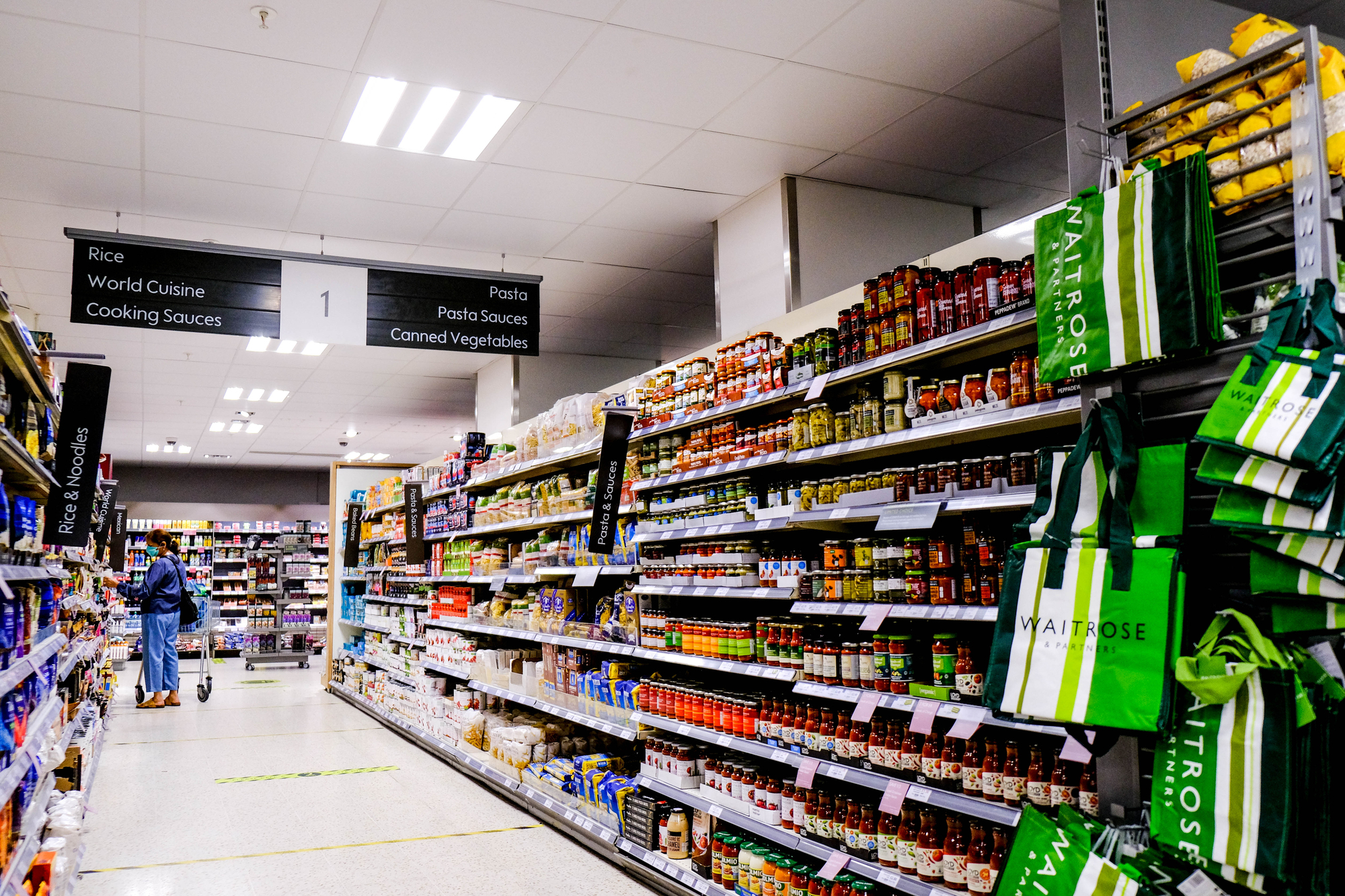
Warehouse stores already carry many of the products people purchase when preparing for emergencies, including bulk groceries, bottled water, batteries, and household essentials.
Growing interest in these products could benefit retailers if consumers continue buying additional supplies. However, increased spending doesn’t necessarily mean shoppers are clearing shelves or creating shortages.
Related: Costco Shoppers Are Stocking Up on These Essentials Amid Growing Outage Concerns
Is This Actually Panic-Buying?
Despite the concerns surrounding recent outages, there’s an important distinction between panic-buying and preparing for a possible emergency.
Panic-buying typically involves purchasing unusually large quantities of products in response to fears of shortages or an immediate threat. That can lead to sudden spikes in demand and make certain products harder for other shoppers to find.
The CNBC report confirms that spending on emergency preparedness products has increased, but it doesn’t provide evidence of widespread shortages, empty shelves, or consumers purchasing more than they can reasonably use.
Some of the shopping described in the report, including replenishing existing household supplies, appears consistent with ordinary emergency planning rather than panic-buying.
Are Americans Preparing for Something Specific?
The recent outages have raised concerns about the reliability of technology and infrastructure, but the incidents described in CNBC’s report do not establish that a larger blackout or coordinated cyberattack is imminent.
Government officials have pushed back against speculation linking the disruptions to a broader threat. Still, the incidents appear to have prompted some consumers to consider how they would manage if electricity, banking services, or other essential systems became temporarily unavailable.
The spending increase suggests that these concerns are influencing purchasing decisions, although the available information doesn’t establish exactly what individual shoppers believe will happen.
So, Are Americans Panic-Buying Again?
For now, the evidence points to increased emergency preparedness spending rather than a confirmed wave of widespread panic-buying.
Americans are purchasing additional supplies in response to recent technology disruptions, and retailers are attracting attention as a result.
What remains unclear is how widespread the buying activity is, whether shoppers are purchasing unusually large quantities, and whether demand will continue once concerns about the outages begin to fade.
Americans may be stocking up again, but based on the information currently available, calling it another panic-buying frenzy would be premature.