When the power suddenly goes out, most of us do the same thing. We look around, check the lights, grab our phones, and wonder how long it will last.
Sometimes the electricity comes back within minutes. Other times, especially during severe storms, it can take hours or even days for everything to work again.
While you can’t control how quickly the power company restores electricity, there are a few things you can do right away to make the situation easier. Those first 30 minutes are a good time to protect your food, check on your household, and prepare in case the outage lasts longer than expected.
Here are eight things worth doing as soon as the lights go out.
1. Check Whether the Outage Is Affecting Your Neighborhood
Before assuming there’s a major outage, look outside to see whether neighboring homes and streetlights still have electricity. If your home is the only one without power, check your electrical panel for a tripped breaker, but avoid touching anything that appears damaged or wet.
You can also check your utility company’s outage map or call its automated outage line to see whether the problem has been reported. If it hasn’t, report the outage so the utility company knows your home is affected.
2. Unplug Electronics and Expensive Appliances
When electricity is restored, power surges can sometimes damage sensitive electronics and appliances. Unplug computers, televisions, gaming systems, and other valuable devices that aren’t protected by appropriate surge protection.
Turn off electric stoves, ovens, and other appliances that may have been running when the power went out. Leave one light switched on so you’ll know when electricity has been restored.
3. Keep Your Refrigerator and Freezer Doors Closed
Your refrigerator is probably one of the first things you’ll worry about during an extended outage, especially if you’ve just stocked up on groceries. Resist the temptation to open it repeatedly to check whether everything is still cold.
According to the USDA’s food safety guidance, an unopened refrigerator can keep food safe for approximately four hours without electricity. A full freezer can maintain its temperature for about 48 hours, while a half-full freezer generally lasts around 24 hours, provided the doors stay closed.
4. Charge Your Phone if You Have a Backup Power Source
Your phone becomes particularly important during an outage because it’s often your main way to receive weather alerts, contact relatives, and check for updates. If you have a portable power bank, car charger, or another safe backup charging option, make sure it’s available.
Turn on your phone’s low-power mode, lower the screen brightness, and close apps you don’t need. Avoid draining your battery by constantly refreshing social media or checking the utility company’s outage map every few minutes.
5. Find Your Flashlights Before It Gets Dark
If the power goes out during the afternoon, it’s easy to assume you have plenty of time to find your emergency supplies. But once the sun goes down, searching through closets and drawers without electricity becomes a lot more frustrating.
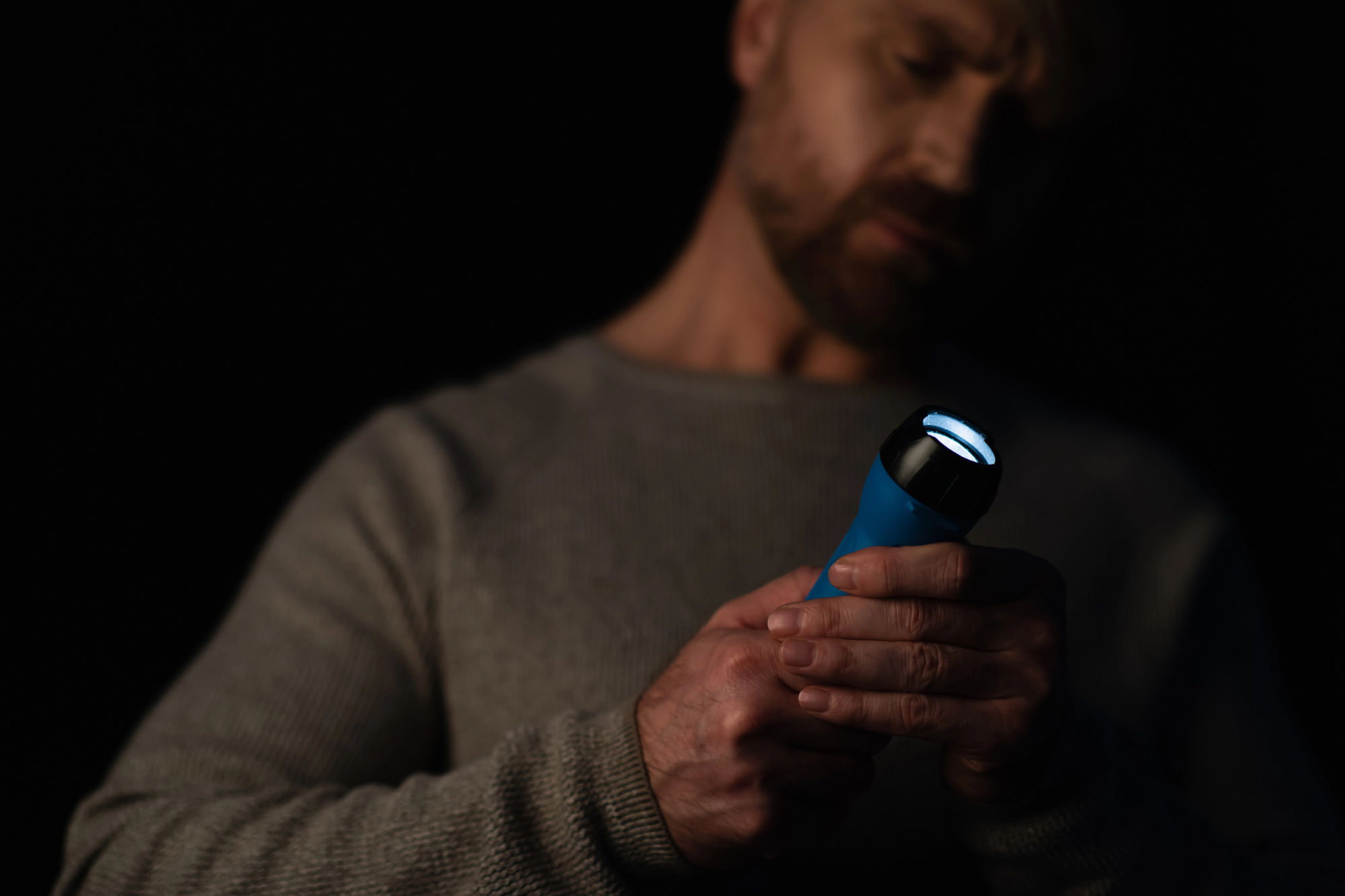
Gather flashlights, battery-powered lanterns, and spare batteries while you can still see. Put a light in each occupied bedroom and another in a central location, and avoid relying on candles because of the fire risk.
6. Check on Everyone in Your Household
Make sure everyone at home is safe and knows what’s happening, especially young children, older adults, and anyone who may need additional assistance. If someone depends on electricity-powered medical equipment, follow their established backup power plan immediately rather than waiting to see how long the outage lasts.
Check whether your heating or cooling system has stopped working, and monitor indoor temperatures. During extreme heat or cold, you may need to consider relocating to a safer location if conditions become dangerous.
7. Get Reliable Updates Without Draining Your Phone
It’s natural to want to know when the electricity will return, but checking your phone constantly won’t speed up repairs. Look for official updates from your utility company, local emergency management agency, or weather service.
If cellular service or internet access is unreliable, a battery-powered or hand-crank radio can provide another way to receive important information. The Ready.gov power outage guidance also recommends signing up for local alerts and having a plan for receiving emergency information.
8. Decide What You’ll Need if the Power Stays Out Overnight
Once you’ve handled the immediate concerns, take a few minutes to think about what your household will need if electricity isn’t restored by bedtime. Check your drinking water, ready-to-eat food, medications, blankets, and other essential supplies.
If you have a generator, make sure you know how to operate it safely before using it. The CDC warns that portable generators must be operated outdoors, at least 20 feet away from windows, doors, and vents, because they produce dangerous carbon monoxide.