
Living with pets has plenty of perks, but there’s one thing many pet owners eventually stop noticing: the smell.
It doesn’t necessarily mean your home is dirty. After smelling the same dog bed, litter box, or favorite pet blanket every day, your nose simply gets used to it. A visitor walking through the door may notice those smells much sooner than you do.
Pet odors can settle into carpets, upholstery, bedding, curtains, air vents, and other fabrics around the house. Vacuuming helps, but some smells need more attention.
If you want your home to smell fresher, start by dealing with the places where pet odors actually collect. These 18 simple habits can help.
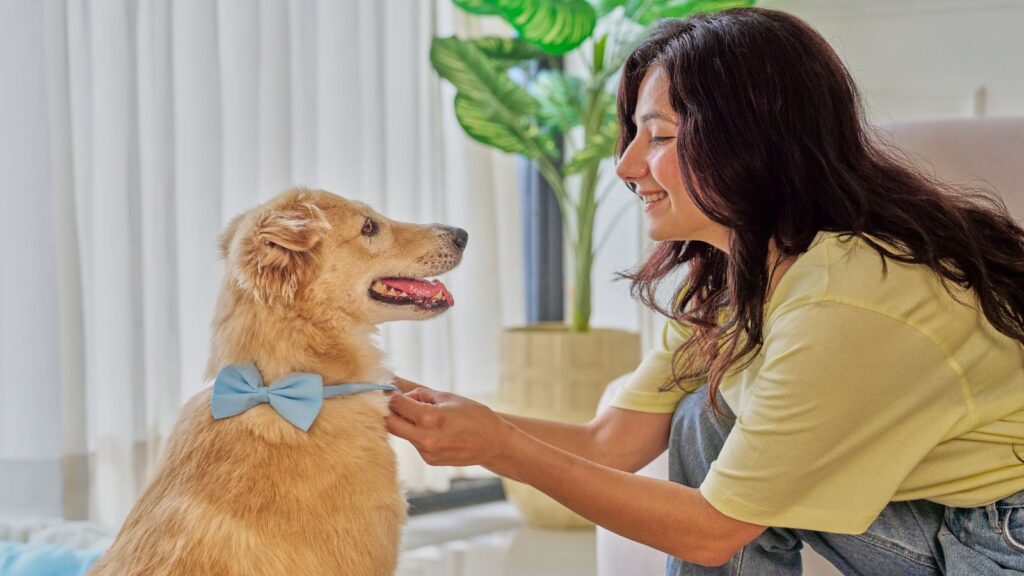
Groom Your Pets Often
Regular grooming can make a noticeable difference in how your home smells. Brushing removes loose hair, dander, dirt, and some of the oils that can contribute to pet odors.
How often you brush your pet depends on its breed and coat, but keeping up with grooming means less hair and debris ending up on your floors and furniture. Regular baths may also help, though the right bathing schedule depends on the animal.
If your pet suddenly develops a strong or unusual odor, check with your veterinarian. A persistent smell can sometimes point to a skin, ear, dental, or other health problem.
Vacuum Regularly
Pet hair and dander have a habit of turning up everywhere. They collect under furniture, along baseboards, in carpet fibers, and on upholstered furniture.
Vacuum areas where your pets spend the most time several times a week. If you have multiple pets or heavy shedders, you may need to vacuum even more often.
Don’t forget corners, stairs, rugs, and the spaces underneath furniture. Getting those areas clean can make the entire house smell fresher.
Keep the Litter Box Clean
For cat owners, the litter box is often the first place to check when something smells off.
Scoop waste every day and replace the litter according to the product instructions. Wash the box regularly with a mild cleaner and let it dry completely before adding fresh litter.
Some odor-absorbing litters can help, and a small amount of baking soda may also help control odors. Keep the box somewhere with good airflow, but still give your cat a quiet, accessible place to use it.
Wash Pet Bedding Regularly
Pet beds can become surprisingly smelly because they collect hair, skin oils, dirt, and moisture.
Wash removable covers, blankets, and bedding according to the care label. Use a pet-safe detergent and make sure everything dries completely before your pet climbs back in.
If the bed itself cannot be washed, vacuum it regularly and check the manufacturer’s cleaning instructions.
Clean Pet Toys and Accessories
Collars, leashes, toys, and other pet accessories can collect plenty of grime over time.
Wash fabric toys and bedding according to their care instructions. Hard toys can often be washed with warm water and mild soap. Collars and leashes should also be cleaned from time to time, especially if your pet spends a lot of time outdoors.
These small items are easy to forget, but cleaning them can help cut down on stale smells around your home.
Mop the Floors
Hard floors still collect pet hair, dirt, drool, and the occasional muddy paw print.
Sweep or vacuum first, then mop with a cleaner that’s safe for your particular flooring. Pay extra attention to spots near food and water bowls, doors, and areas where your pet spends a lot of time.
If your pet has an accident, clean it as soon as possible. The longer urine or other messes sit on a floor, the more likely the odor is to linger.
Change the Air Filter
Your HVAC system can move pet hair and dander throughout the house. A dirty filter may also allow more particles to circulate through your home’s air.
Change your HVAC air filter every three months or follow the schedule recommended for your particular system and filter.
Homes with several pets may need more frequent filter changes. Check the filter every so often rather than waiting until it looks completely dirty.
Let Fresh Air In
Sometimes the simplest way to freshen a room is to open a window.
Whenever the weather and outdoor air quality allow it, open windows and doors for a while to improve airflow. This can be especially helpful in rooms where your pets spend most of their time.
Good ventilation won’t remove the source of a pet odor, but it can keep stale smells from hanging around.
Stay on Top of Shedding
Loose fur can hold onto dirt, oils, and odors before settling onto your furniture and floors.
Regular brushing helps remove that loose hair before it spreads around the house. Use a grooming brush suited to your pet’s coat and keep a lint roller or pet-hair remover nearby for couches and chairs.
A little daily maintenance can be easier than dealing with a thick layer of fur later.
Use Pet-Friendly Air Fresheners
Air fresheners can make a room smell nicer, but masking an odor doesn’t remove whatever is causing it.
If you use scented products around pets, check that they’re appropriate for animals and follow the directions carefully. Some fragrances and essential oils can be harmful to pets, particularly cats and birds.
Natural options such as dried herbs and flowers can provide a mild scent. You can also try dried herbs for a simple homemade option.
Clean Your Couch
If your dog or cat treats the couch like its personal bed, the upholstery can hold onto plenty of odor.
Vacuum the cushions, seams, and areas underneath the cushions. Check the furniture’s care label before using any cleaning solution. For suitable fabrics, an upholstery cleaner or steam cleaner can help remove built-up dirt and smells.
Wash removable covers when possible. A washable throw placed over your pet’s favorite spot can also make routine cleaning much easier.
Deep Clean the Carpets
Carpets can hold onto pet odors long after the original mess has been cleaned.
Vacuum regularly, then use a carpet cleaner made for pet stains and odors when needed. Follow the manufacturer’s instructions and allow the carpet to dry completely.
If odors remain after cleaning, the problem may have reached the carpet pad or subfloor. A professional deep clean may be worth considering for stubborn smells.
Wash Curtains and Linens
Pets may spend more time around your curtains, blankets, and decorative pillows than you realize. Their hair and oils can settle into those fabrics over time.
Check the care instructions and wash curtains, throws, pillow covers, and other washable fabrics regularly. Items that can’t go in the washing machine may need vacuuming or professional cleaning.
A clean couch with dirty curtains can still leave a room smelling like pets.
Keep Surfaces Clean
Pet hair and grime can collect on tables, shelves, baseboards, doors, and other surfaces.
Wipe down these areas regularly with pet-friendly cleaning products. Pay close attention to spots your pets can reach, such as lower cabinets and doors.
If your pet rubs against a particular wall or piece of furniture every day, that area may need cleaning more often than the rest of the room.
Try Baking Soda
Baking soda can help absorb odors from some household surfaces.
For carpets and rugs, sprinkle a small amount over the surface, leave it for a few hours, and vacuum thoroughly afterward. Before doing this, check that your carpet or upholstery manufacturer allows the use of baking soda.
You can also keep an open container of baking soda near an odor source, such as a litter area. Keep it somewhere your pets cannot knock it over or ingest it.
Use an Air Purifier
An air purifier with an appropriate filter can remove airborne particles such as pet dander and dust.
For homes with pets, look for a unit with a HEPA filter and place it in the room where your pets spend the most time. An
Clean Up Accidents Properly
Pet accidents need more than a quick wipe.
For urine, use an enzymatic cleaner made for pet stains and follow the product directions. These cleaners are formulated to break down the organic material responsible for lingering odors.
Avoid relying on fragrance alone. If the smell keeps returning, the urine may have soaked into carpet padding, upholstery, flooring, or another porous surface.
A black light can sometimes help locate old urine spots that aren’t easy to see.
Check Hidden Areas
Sometimes the source of a pet odor isn’t obvious.
Look underneath furniture, behind curtains, beneath rugs, around litter boxes, and near food and water bowls. Check pet carriers, blankets, storage baskets, and other places your animal regularly uses.
If you clean the visible parts of a room but leave a smelly pet bed tucked into a corner, the odor can return quickly.
Repaint if Necessary
If you’ve cleaned the floors, furniture, fabrics, and other surfaces but a smell still hangs around, walls may be holding onto the odor.
This can happen after years of exposure to smoke, urine, or other strong smells. Before painting, clean the walls and allow them to dry. A stain- and odor-sealing primer can help seal stubborn odors before you apply fresh paint.
If the smell keeps coming back after cleaning and painting, look for a deeper source, such as flooring, carpet padding, damaged drywall, or moisture.
The biggest trick with pet odors is finding the source instead of covering it up. Once you know where the smell is coming from, regular cleaning and a few small changes can make your home smell much fresher.