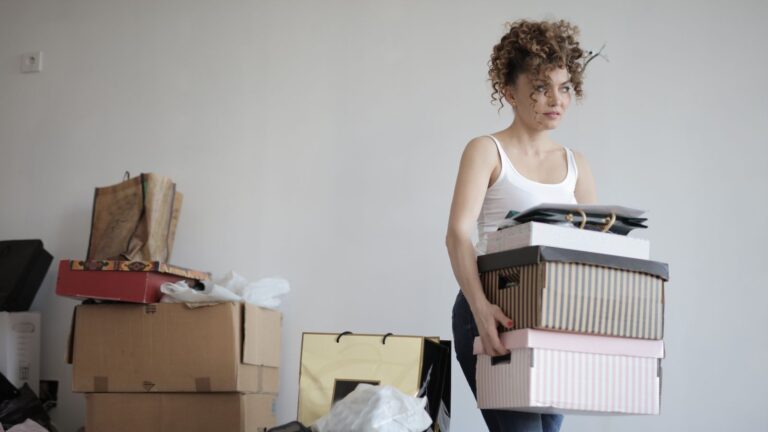

Clearing out your home can feel great. You get rid of things you no longer need, free up some space, and hope your old belongings can be useful to someone else. Donating them to a thrift store can seem like the easiest option, especially when the store supports a local charity or community program.
The problem is that thrift stores can’t sell everything that lands at their donation doors. Broken goods, recalled products, heavily worn clothing, expired toiletries, and certain household items may have to be thrown away. The store then has to pay someone to haul those items off, which can turn a well-intended donation into an added expense.
Before loading up the car, take a closer look at what you’re giving away. Some items have a better destination than the local thrift shop.
Toiletries and Cosmetics
Used shampoo bottles, partly used makeup, opened skincare products, and expired toiletries are usually poor candidates for resale. Stores also have to be careful with sealed products if the expiration date is missing or the packaging has been damaged.
Unopened personal care products can often do more good at shelters, food pantries, or community organizations. Some women’s support groups also accept unused, unexpired cosmetics and hygiene supplies.
Related: 12 Thrift Store Items That Can Hide Unexpected Problems
Baby Gear
Baby equipment can be tricky for thrift stores. Strollers, swings, high chairs, and similar items may have been recalled or may no longer meet current safety standards. Stores also have to think about liability if a product fails after being sold.
Car seats are an even bigger concern. Their history is difficult to verify, and they have expiration dates and strict safety requirements. Local trade-in programs and recycling events are often a better choice for an old car seat.
Cribs and Baby Loungers
Older cribs, especially drop-side models, should stay out of thrift-store donation piles. Many no longer meet current safety standards, and stores generally won’t take the risk.
Baby loungers and similar products can have the same problem. If an old crib has usable wood, you could repurpose the pieces for shelves or another small project. Otherwise, check whether your local recycling center accepts wood or lumber.
Used Toys and Games With Missing Pieces
A complete board game or toy set can be an easy sale. A box full of loose puzzle pieces, missing game parts, and random accessories is a different story.
Thrift-store employees have to spend time checking these items, and incomplete sets often can’t be sold. Toys that are missing pieces can be offered for free through a local group, given to a preschool for crafts, or sent to a toy recycling program. Complete sets should be clean and organized before donating.
Related: 15 Things Sitting Around Your Home That Could Be Worth Money
Hazardous Materials
Paint, solvents, pesticides, chemicals, and used
Look for a local household hazardous-waste collection program instead. Many communities have scheduled drop-off days for paint, chemicals,
Helmets
A helmet may look perfectly fine while still having damage that isn’t visible. Bike and motorcycle helmets can lose their protective qualities over time, and thrift stores have no reliable way to know whether a used helmet has already been involved in a crash.
Rather than donating an old helmet, check with your local waste or recycling service for disposal options. Some recycling programs can separate certain helmet materials.
Related: 14 Places to Donate Old Books Instead of Throwing Them Away
Mattresses and Futons
Mattresses, box springs, and futons are among the items many thrift stores refuse. Health rules, bedbug concerns, storage space, and the difficulty of inspecting used bedding all play a part.
A clean, nearly new mattress may be accepted by a local housing organization, but policies vary. If you can’t find an organization that accepts yours, look into bulk pickup or a mattress recycling service in your area.
Old Electronics
Some small electronics still have resale value, especially if they’re clean and working. Older televisions, large stereos, monitors, microwaves, and outdated computer equipment are much harder for thrift stores to handle.
These items take up storage space and may require special disposal if they can’t be sold. An electronics recycling program is usually a better destination for broken or obsolete equipment. Before dropping anything off, check what your local program accepts.
Torn or Heavily Worn Clothing
Thrift stores can do a lot with gently used clothing, but severely damaged clothes are another matter. Heavy stains, large holes, broken zippers, strong odors, and extreme wear can make clothing impossible to sell.
Don’t assume damaged clothes have to go in the trash, either. Textile recycling programs may accept worn clothing and turn the material into rags, insulation, padding, or other products.
Socks, T-shirts, towels, and other fabric items that are too worn for resale may still have another use.
Used Lightbulbs
Old lightbulbs generally aren’t something thrift stores can resell. CFL bulbs require extra care because they contain a small amount of mercury.
Some hardware and home-improvement stores accept CFL bulbs for recycling. Incandescent and halogen bulbs have different disposal rules, so check your local waste guidelines before throwing them away.
Large, Outdated Furniture
That giant entertainment center that once looked great in the living room may be much harder to give away today. Large couches, oversized desks, heavy cabinets, and old entertainment units take up considerable space and can be difficult for thrift stores to move or sell.
A neighborhood free group, local buy-nothing community, or online marketplace may give the furniture a better chance of finding a new home. Include measurements and clear photos so people know exactly what they’re getting.
Broken Appliances
A thrift store usually doesn’t have the staff, time, or equipment needed to test and repair every broken appliance that arrives at its door. Faulty microwaves, vacuum cleaners, printers, coffee makers, and other small appliances may end up being discarded.
If an appliance still works, call the store before bringing it in and ask whether they accept that type of item. For broken equipment, look for an e-waste collection event or appliance recycling program.
A little sorting before you donate can save the thrift store time, disposal costs, and unnecessary waste. The goal isn’t to find a place for every unwanted item at the nearest donation center. It’s to give each item the best chance of being reused, recycled, or handled safely.
Other Topics You Might Like
- 10 Strange Things That Are Surprisingly Smart to Stockpile
- How to Clean a Wood Cutting Board
- 15 Safe Ways to Clean a Cast Iron Skillet Without Ruining the Seasoning
- 12 Things Professional Organizers Would Never Store Under the Kitchen Sink
- 12 Small Habits That Make a Big Difference in Keeping Your Home Clean