Knowing what can go in the trash seems straightforward until you’re left with things like old paint, used batteries, electronics, or motor oil. These items may look like ordinary household waste, but tossing them into the garbage can create safety risks and harm the environment.
Many household items have their own disposal or recycling programs, so it’s worth checking before throwing them away. Here are 12 common items that need a little extra care when it’s time to get rid of them.
Paint
Leftover paint can be difficult to dispose of because the rules depend on the type of paint and your local waste guidelines.
Some communities allow dried latex paint in regular household garbage, while oil-based paint, stains, and certain coatings usually need to go to a hazardous waste collection site. If you have leftover paint in your garage, check with your local waste department before deciding what to do with it.
Related: Specialty Furniture Paints Give You The Ability To Transform Your Furniture
Books
Before throwing away old books, see if someone else might still use them.
Books in good condition can go to libraries, schools, charities, community groups, or a thrift store, and some may even be worth selling online. Books that are badly damaged or waterlogged may be accepted by paper recycling programs, but check local rules because bound books aren’t accepted everywhere.
Medical Waste
Expired medication, used needles, syringes, and other medical waste need more care than ordinary household garbage.
Unused medicines can end up in the wrong hands, while loose needles can injure sanitation workers and anyone handling the waste. Look for a drug take-back program through a pharmacy, hospital, police department, or local government, and use approved sharps containers and collection sites for needles.
Old mail can contain personal details that you wouldn’t want strangers to find, especially bank statements, bills, medical records, and other paperwork.
Shred documents with financial or personal information before getting rid of them, and check whether your local recycling program accepts shredded paper. Ordinary junk mail without sensitive details may be recyclable, depending on your area’s guidelines.
Old Technology
Old phones, laptops, tablets, computers, and other electronic devices shouldn’t automatically go into the household trash.
Many electronics contain materials that can be recovered through recycling, while certain components need special handling. Before donating or recycling a working device, back up your files, sign out of your accounts, and erase your personal data; then check with a retailer, manufacturer, or local recycling center for drop-off options.
Fluorescent Light Bulbs
Fluorescent bulbs contain a small amount of mercury, so they need different handling from regular incandescent bulbs.
Some hardware stores, recycling centers, and household hazardous waste programs accept used fluorescent bulbs, but availability varies by location. If a bulb breaks, don’t put the pieces in your recycling bin; follow local cleanup and disposal instructions instead.
Batteries
Batteries can cause fires if they’re crushed, punctured, or damaged during waste collection or processing, so don’t assume every type belongs in the regular garbage.
Rechargeable batteries, lithium-ion batteries, car batteries, and standard household batteries may each have different disposal rules. Look for a battery collection program or hazardous waste drop-off site, and get local instructions before disposing of batteries that are swollen, leaking, hot, or damaged.
Old Clothes
Clothes you no longer wear may still be useful to someone else, so there’s no need to send every unwanted item straight to the landfill.
Clean clothing, shoes, coats, and accessories in wearable condition can often be donated, sold, or passed along to someone who needs them. For items that are torn, stained, or too worn to donate, look for a textile recycling program or retailer collection service that accepts damaged fabric.
Ink Cartridges
Empty printer cartridges are often accepted through recycling programs run by office supply stores and printer manufacturers.
Some retailers offer collection bins or mail-back services, though accepted brands and cartridge quantities can vary. Check with the store or manufacturer before dropping them off, especially if you’re hoping to receive store credit.
Appliances
Old refrigerators, freezers, air conditioners, washing machines, and other large appliances need proper disposal rather than being left with ordinary household garbage.
Some contain refrigerants, electronic parts, or other materials that require special handling, and older cooling appliances may need refrigerant recovery before recycling. Ask your appliance retailer about removal services or contact your local waste department to find out where large appliances are accepted.
Tires
Old tires are rarely accepted through regular household garbage collection, and some communities have rules against putting them in the trash.
Tire shops, auto repair businesses, recycling centers, and local waste programs may take used tires, sometimes for a small fee. If you’re getting new tires installed, ask the shop whether it will take the old ones when the work is finished.
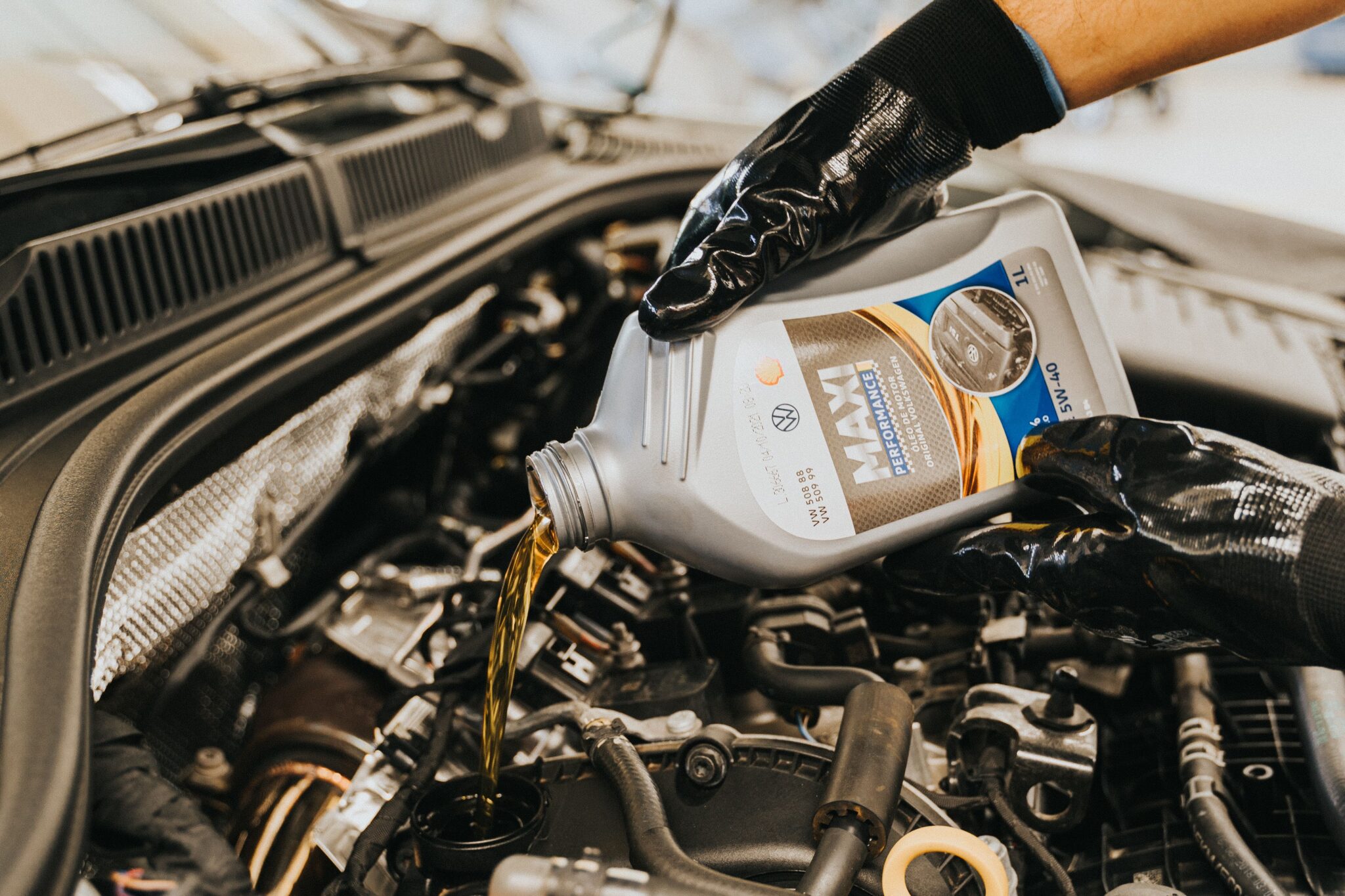
Motor Oil
Never pour used motor oil into a sink, storm drain, or onto the ground because it can contaminate soil and waterways.
Many auto parts stores, service stations, and recycling centers accept used motor oil for recycling, though they may limit the amount or type they take. Keep it in a clean, sealed container and don’t mix it with gasoline, antifreeze, or other fluids unless the collection site specifically allows it.