When most people think about preparing for an emergency, they picture shelves filled with canned food, bottled water, and other supplies. But if you had to get through 90 days without reliable access to groceries, utilities, or everyday services, what would you actually need?
A recent Reddit discussion raised the question of whether households should be preparing for 90 days instead of just a few. While food and water are obvious priorities, plenty of other essentials are easy to overlook.
Here are 12 things worth stocking up on if you’re thinking about building a 90-day emergency supply.
1. Drinking water
Storing enough food for three months is one thing, but finding space for that much drinking water can be a challenge, especially in smaller homes or apartments.
The Federal Emergency Management Agency (FEMA) recommends storing at least one gallon of water per person per day for drinking and sanitation, with additional water needed in certain circumstances. For a family of four, that works out to at least 360 gallons over 90 days.
Rather than trying to store that much at once, start with a few days’ worth and gradually increase your supply. Food-grade water containers and a reliable water treatment method can also be useful parts of a longer-term plan.
2. Canned foods that don’t require cooking
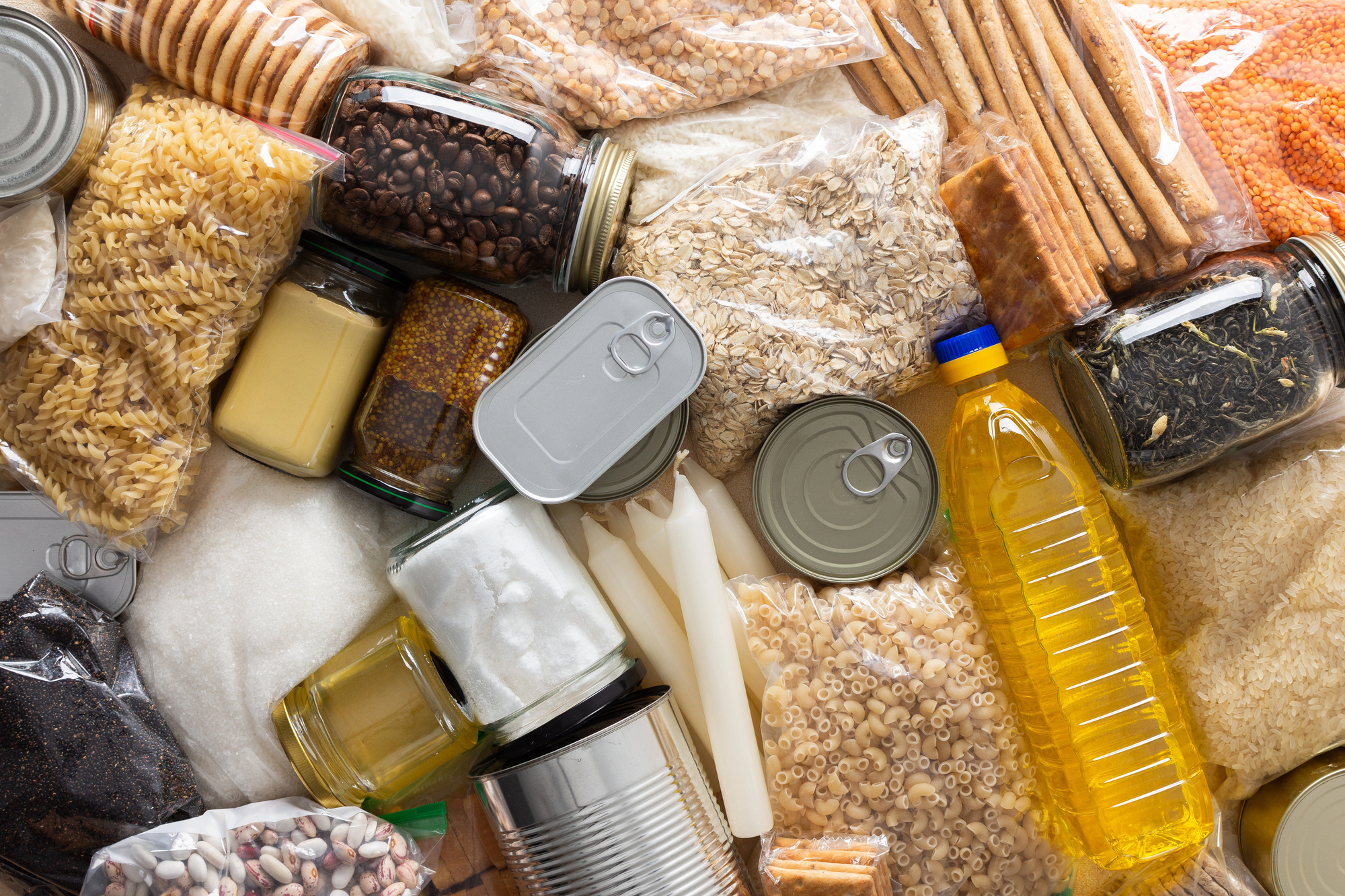
Canned foods are popular among preppers because they’re shelf-stable, easy to store, and often ready to eat straight from the container. That makes them particularly useful during power outages when cooking may not be possible.
Canned beans, vegetables, fruit, soups, chicken, and fish are all practical options. The key is choosing foods your household already enjoys rather than filling shelves with products nobody wants to eat.
As one Reddit commenter put it, “Buy what you eat and eat what you buy.”
3. Rice, pasta, and other pantry staples
Rice, pasta, oats, and dried beans can help stretch meals and make a limited food supply last longer. They’re relatively inexpensive, widely available, and easy to incorporate into everyday cooking.
Just remember that many of these foods require water and fuel to prepare, both of which could be limited during an extended emergency. Keeping a combination of ready-to-eat foods and ingredients that require cooking gives you more flexibility.
4. Prescription medications and basic medical supplies
Food and water might get the most attention, but access to medication can be just as important for households that depend on daily prescriptions.
Keeping an extra supply of essential medications, when possible, can help you prepare for interruptions in pharmacy services. A well-stocked first aid kit, bandages, antiseptic supplies, and commonly used over-the-counter medications are also worth having at home.
If you take prescription medication, ask your pharmacist or healthcare provider about refill options. Some medications also require refrigeration or other special storage conditions that should be included in your emergency plan.
5. Toilet paper and personal hygiene products
It’s easy to focus on food while overlooking the things you use every day without much thought. Toilet paper, soap, toothpaste, feminine hygiene products, diapers, and cleaning supplies can become difficult to replace when stores are closed or deliveries are interrupted.
These are also some of the easiest supplies to build up gradually. Buying an extra package when your budget allows can help create a backup supply without spending a large amount of money at once.
Don’t forget heavy-duty trash bags, disposable gloves, and a plan for managing waste if your plumbing stops working.
6. Flashlights, batteries, and emergency lighting
A prolonged power outage becomes much harder to manage once the sun goes down. Having several reliable light sources can make cooking, cleaning, moving around the house, and caring for family members safer.
Flashlights, headlamps, battery-powered lanterns, and spare batteries are all useful additions to an emergency kit. Rechargeable lighting can also be helpful if you have a dependable way to recharge it.
Check your equipment periodically so you don’t discover during an emergency that the batteries are dead or the flashlight no longer works.
7. Backup power and charging equipment
Phones, medical devices, radios, and other electronics can quickly become difficult to use during an extended power outage.
Portable power banks, solar chargers, and larger battery power stations can help keep essential devices running. The right setup depends on what you need to power and how long you expect to be without electricity.
Before purchasing expensive equipment, make a list of your most important devices and their power requirements. A small battery bank might be enough for phone charging, while medical equipment or refrigeration may require a more substantial backup system.
8. A safe way to cook without electricity
Having months of food stored away won’t help much if most of it requires cooking and you have no way to prepare it.
A camping stove, outdoor propane grill, or another appropriate backup cooking method can be useful during a power outage. Just make sure you have the necessary fuel and know how to operate the equipment safely.
Never use charcoal grills, camping stoves, or other outdoor fuel-burning equipment inside your home or garage. They can produce deadly carbon monoxide, even when doors or windows are open.
9. Warm clothing, blankets, and emergency shelter supplies
Losing electricity during the winter can create serious problems if your home relies on electric heating. Even a well-insulated house can become dangerously cold during a prolonged outage.
Warm clothing, sleeping bags, blankets, and weather-appropriate supplies can help households stay warmer while waiting for services to return.
It’s also important to prepare for the conditions where you live. Someone dealing with winter storms will have different needs from a household preparing for extreme summer heat or hurricanes.
10. Emergency communication equipment
Cell phones are useful, but they aren’t guaranteed to work during every disaster. Damaged infrastructure, power failures, and overloaded networks can make it difficult to contact family members or receive updates.
A battery-powered or hand-crank emergency radio can help you receive important weather alerts and official instructions. Some households may also benefit from two-way radios for short-distance communication.
It’s equally important to have a family communication plan. Keep important phone numbers written down and decide where everyone should meet if normal communication becomes unavailable.
11. Cash and an emergency fund
Not every emergency involves a natural disaster. A job loss, unexpected medical expense, or temporary disruption to banking services can also put a household under financial pressure.
Keeping a modest amount of cash in a secure place can help if electronic payments are temporarily unavailable. Building an emergency fund and reducing debt can also help protect your household financially during unexpected situations.
12. Books, games, and things to keep everyone occupied
This might seem less important than food or water, but spending days or weeks at home without electricity or internet can be difficult, especially for families with children.
Books, puzzles, board games, playing cards, and other activities that don’t depend on an internet connection can help pass the time. Inexpensive DVDs and secondhand books are also worth keeping around, especially if your family normally relies on streaming services for entertainment.