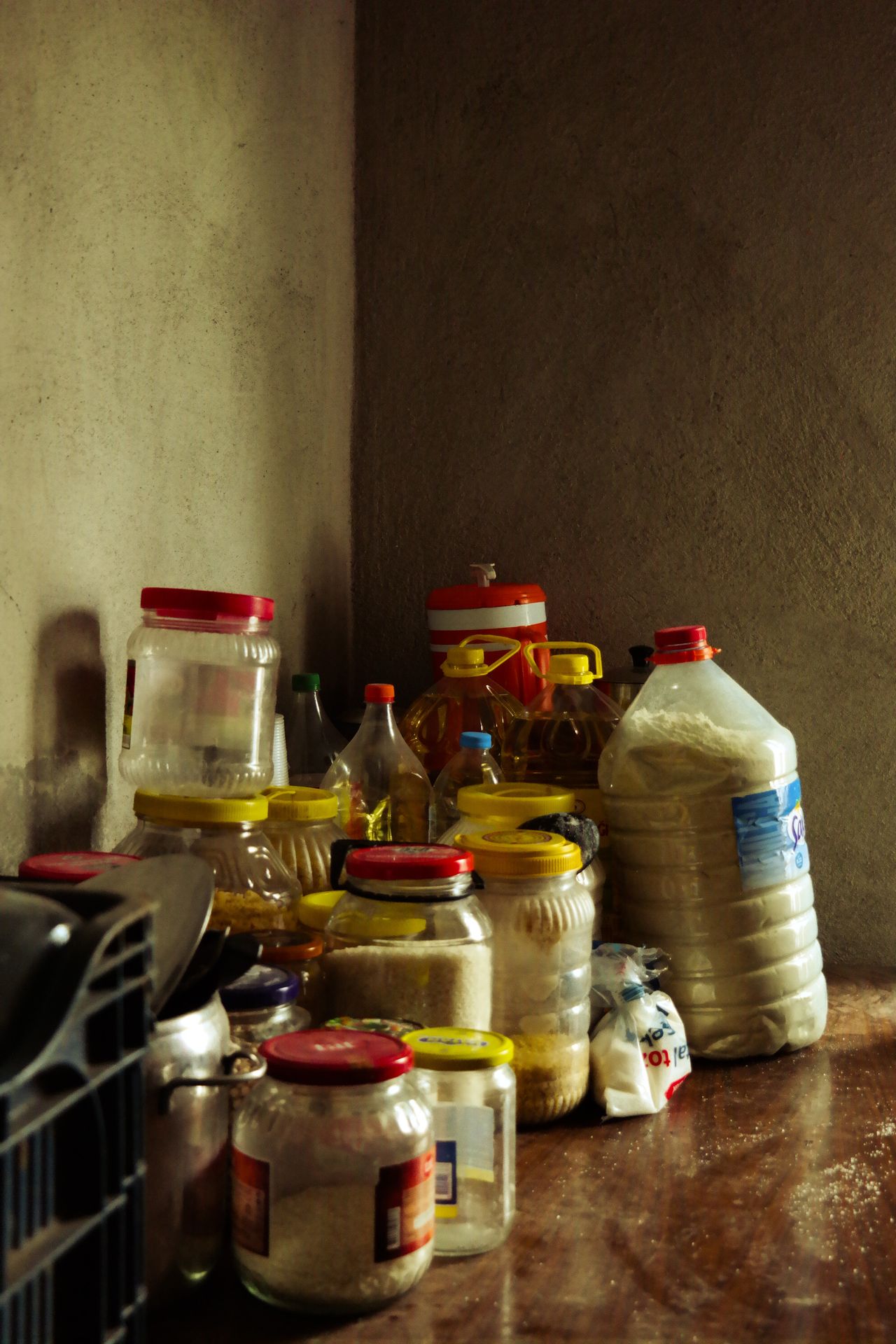
Stocking up on canned food, bottled water, batteries, and emergency supplies is a smart way to prepare for unexpected disasters. But having a closet full of supplies doesn’t necessarily mean you’ll know what to do when something goes wrong.
What happens when your drinking water runs out, the power stays off longer than expected, or your phone stops working? Even a well-stocked emergency kit has its limits, especially when a disaster lasts longer than anyone anticipated.
Knowing how to handle those situations can be just as important as having the right supplies. From finding safe drinking water to treating injuries and navigating without technology, these 10 survival skills are worth learning before you actually need them.
1. Finding and purifying drinking water
Having extra bottled water is important, but it won’t last forever. Knowing how to locate and make water safe to drink can become essential during an extended emergency, especially if local water systems are damaged or contaminated.
Learn how to use water filters, purification tablets, and boiling to treat water when appropriate. According to the CDC, boiling can kill many disease-causing germs, but it won’t remove chemical contaminants. Understanding those limitations is just as important as knowing how to treat water in the first place.
2. Starting a fire without relying on a lighter
A fire can provide warmth, light, and a way to cook food when electricity isn’t available. While matches and lighters are useful emergency supplies, knowing how to start and maintain a fire safely gives you another option if those items become wet, damaged, or unavailable.
Practice using a ferro rod with dry tinder and learn how to build a small, controlled fire. Just remember that outdoor fires aren’t always safe or permitted, especially during droughts or wildfire conditions. Never use a campfire, charcoal grill, or other fuel-burning equipment indoors because of the risk of carbon monoxide poisoning.
3. Building a temporary shelter
Exposure to extreme heat, cold, wind, or rain can become dangerous much faster than many people realize. If you’re stranded outdoors or forced to leave your home, knowing how to protect yourself from the elements could make a significant difference.
Learn how to choose a safe location and create a basic shelter using a tarp, emergency blanket, or available materials. Staying dry, blocking the wind, and insulating yourself from the ground are often more important than building something elaborate.
4. Navigating without GPS
Most people rely on their phones for directions, but GPS apps aren’t always useful when batteries die or maps haven’t been downloaded. Getting lost during an emergency can become especially dangerous if roads are closed or you need to find an alternate route.
Learning to read a paper map and use a compass is a skill worth practicing. Keep a physical map of your local area in your vehicle and familiarize yourself with major roads, landmarks, and alternative routes before an emergency happens.
5. Treating injuries when medical help isn’t immediately available
A well-stocked first aid kit is useful, but the supplies inside won’t do much good if you don’t know how to use them. Cuts, burns, sprains, and other injuries can happen during storms, evacuations, or even routine cleanup after a disaster.
Learning basic first aid, CPR, and how to control serious bleeding can help you respond while waiting for professional medical assistance. Organizations such as the American Red Cross offer training that teaches people how to recognize emergencies and provide appropriate care.
6. Preserving food without refrigeration
A refrigerator full of groceries can quickly become a problem during a prolonged power outage. Knowing how to store food safely and recognize when something is no longer safe to eat can help prevent foodborne illness and unnecessary waste.
An unopened refrigerator generally keeps food cold for about four hours, while a full freezer can maintain a safe temperature for approximately 48 hours if the door stays closed. Learning proper food preservation methods, including pressure canning for low-acid foods, can also help households build a shelf-stable food supply before an emergency.
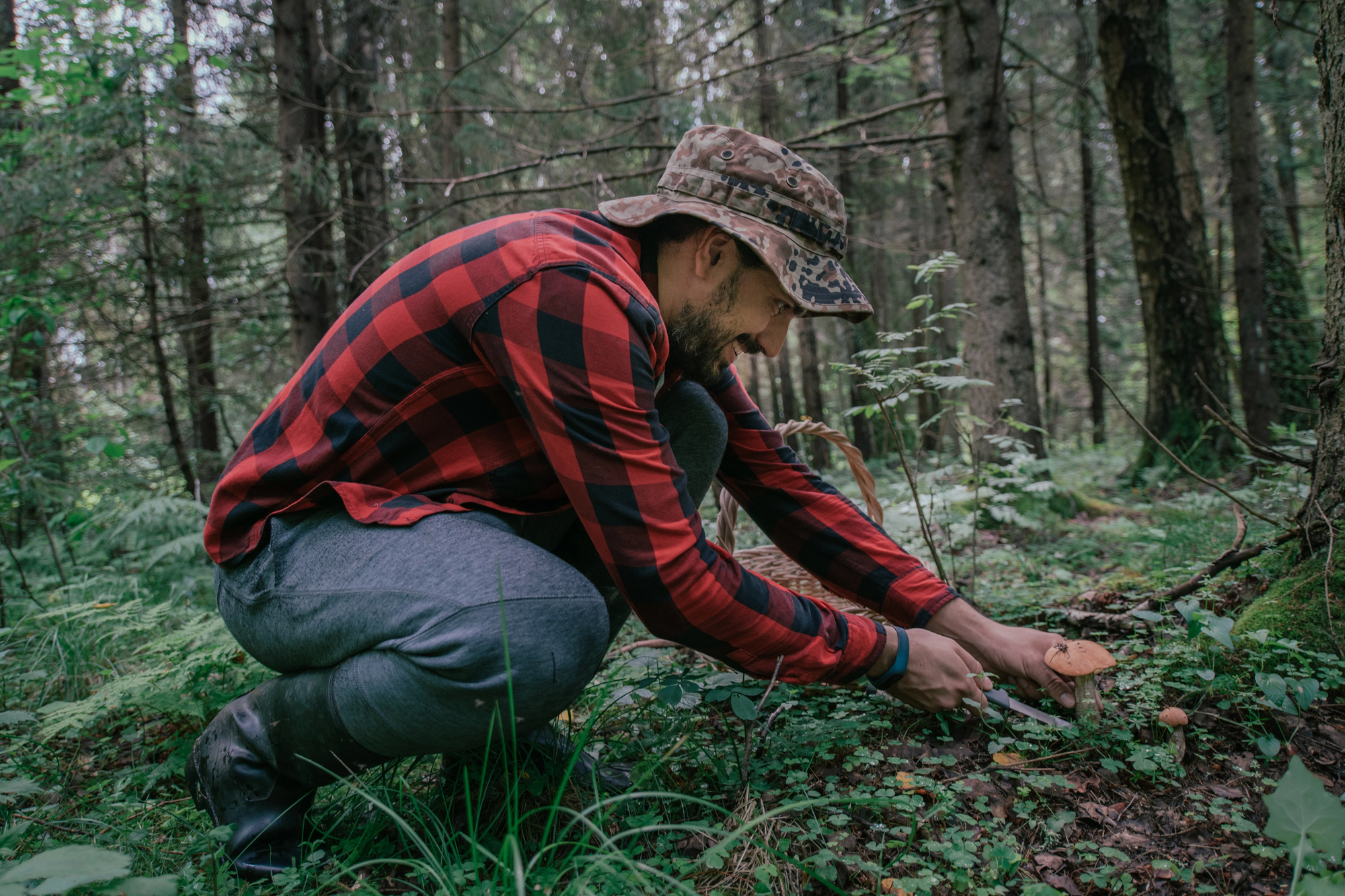
7. Recognizing edible plants and avoiding poisonous ones
Knowing which plants are safe to eat is a traditional survival skill, but it also requires considerable knowledge and practice. Many poisonous plants resemble edible varieties, and a simple identification mistake can have serious consequences.
If you’re interested in foraging, start by learning a few common edible plants in your region with help from an experienced instructor or a reputable field guide. Never eat a wild plant unless you’re completely certain of its identification and safety. Foraging is best treated as a skill to develop over time, not something to experiment with when food is already scarce.
8. Staying warm without electricity
Losing heat during a winter storm can turn an ordinary power outage into a dangerous situation. Even inside a house, temperatures can drop considerably when the heating system stops working for an extended period.
Learn how to conserve body heat by dressing in layers, using blankets, and gathering in a smaller room away from drafts. It’s also important to recognize the signs of hypothermia and know when to move to a designated warming center or another safe location. Never use an outdoor grill, camp stove, or gas oven to heat your home.
9. Signaling for help when phones aren’t working
Cell phones have made it easier than ever to contact emergency services, but they aren’t guaranteed to work during every disaster. Damaged cell towers, drained batteries, and overloaded networks can leave people unable to call or send messages.
Knowing how to signal for help can be useful if you’re stranded or need rescuers to locate you. A whistle, flashlight, brightly colored fabric, or reflective signaling mirror can help attract attention. Learning internationally recognized distress signals and having a family communication plan are also worthwhile precautions.
10. Making emergency supplies last longer
Even households with several weeks of emergency supplies may need to make adjustments if a disaster lasts longer than expected. Knowing how to manage what you have can help prevent waste and keep essential items available when you need them most.
Practice planning meals around shelf-stable ingredients, tracking food inventory, and rotating supplies before they expire. Learn how to prioritize drinking water, conserve battery power, and use fuel efficiently without compromising safety. These habits are easier to develop during normal circumstances than in the middle of an emergency.