
Watching birds visit your yard is one of the simple pleasures of spending time outdoors. Whether they’re singing from a nearby tree, hopping across the lawn, or stopping by a feeder, these feathered visitors bring plenty of life to your outdoor space. What many people don’t realize is that they’re also busy helping your garden every single day.
Many backyard birds eat insects that damage plants, spread seeds that grow into new flowers and trees, and pollinate blossoms while searching for food. Their daily routines help create a healthier, more balanced yard without any extra work on your part.
If you’d like to welcome more helpful birds to your property, these are some of the best ones to look for.
American Robin
American Robins are among the most familiar backyard birds, especially once spring arrives. While they’re famous for pulling worms from the lawn, insects make up a large part of their diet too.
Beetles, caterpillars, grasshoppers, and other garden pests are regular menu items. Robins also eat berries and other fruits, spreading seeds as they travel from place to place.
Related: 15 Red Birds That Will Captivate Your Garden
Hummingbirds
Hummingbirds may be tiny, but they do an important job in the garden. As they visit flowers for nectar, they carry pollen from one bloom to another, helping many plants produce seeds and fruit.
They also snack on small insects like gnats and aphids. Planting nectar-rich flowers or hanging a hummingbird feeder can encourage these colorful visitors to stop by throughout the season.
Northern Cardinal
Northern Cardinals brighten any backyard with their brilliant red feathers and beautiful songs. They also help spread seeds while feeding on berries, grasses, and native plants.
As they move through your yard, some of those seeds are dropped or carried to new areas, giving fresh plants a chance to grow.
Related: Why Birds Keep Choosing Your Roof as Their Nesting Spot
Blue Jay
Blue Jays are clever birds with excellent memories, though they don’t remember every hiding place.
They often gather acorns and bury them to eat later. The forgotten ones eventually sprout into young oak trees, making Blue Jays one of nature’s accidental tree planters.
Chickadee
Small but constantly active, chickadees spend much of their day searching for insects hiding among leaves and branches.
During nesting season, they collect hundreds of caterpillars to feed their chicks. That steady appetite helps protect flowers, shrubs, and trees from hungry insects.
American Goldfinch
American Goldfinches are easy to spot during summer thanks to their bright yellow feathers.
They feed heavily on seeds from wildflowers and native plants, helping keep aggressive weeds under control while supporting a healthy mix of vegetation throughout the yard.
Related: 11 Beautiful Birds to keep an eye out for this winter
Mourning Dove
Mourning Doves spend much of their time searching the ground for seeds. Along with grains, they eat thousands of weed seeds each year, helping reduce unwanted plants before they have a chance to spread.
Their peaceful nature makes them welcome visitors in almost any backyard.
Woodpecker
Woodpeckers spend their days searching tree bark for insects hiding beneath the surface.
By removing beetles, ants, larvae, and other wood-boring pests, they help keep trees healthier. The nesting holes they leave behind later become homes for many other animals, including small birds and squirrels.
Eastern Bluebird
Eastern Bluebirds are favorites among gardeners for good reason. They feed on grasshoppers, beetles, crickets, and other insects that can damage lawns and garden plants.
Installing a nesting box gives bluebirds a safe place to raise their young while encouraging them to return year after year.
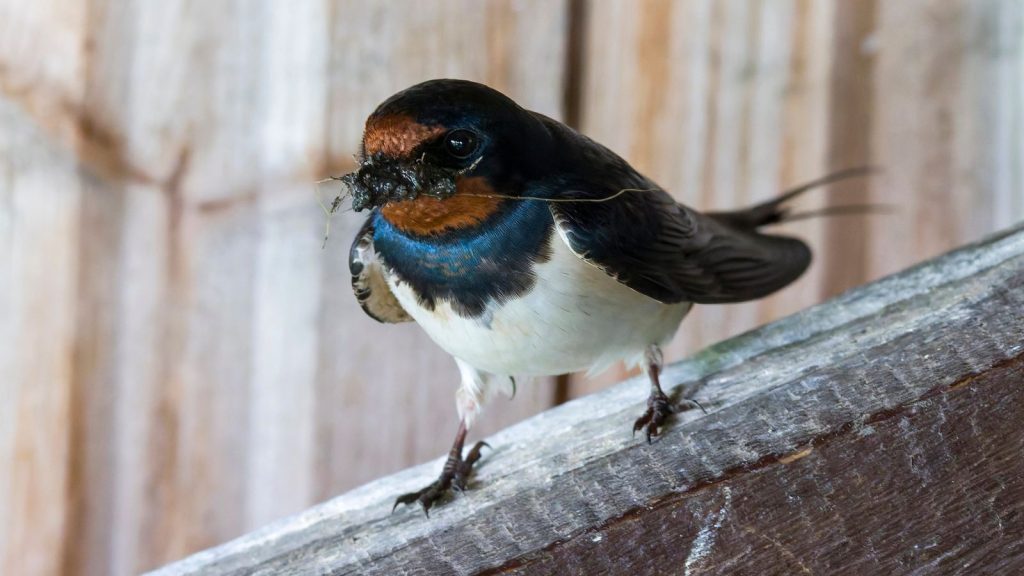
Barn Swallow
Barn Swallows spend much of their day flying through the air catching insects on the wing.
Mosquitoes, flies, gnats, and other flying bugs make up most of their diet. A single swallow can eat hundreds of insects in one day, making summer evenings much more pleasant.
Cedar Waxwing
Cedar Waxwings travel in flocks and have a strong appetite for berries and small fruits.
As they feed, they carry seeds across wide areas, helping shrubs and trees grow in new locations. Their work supports healthy plant growth throughout forests, fields, and backyards.
House Wren
House Wrens may be small, but they have big appetites for insects.
Beetles, caterpillars, spiders, and other garden pests are regular meals for these energetic birds. They readily nest in birdhouses, making them one of the easiest helpful birds to attract if you provide suitable shelter.