Donating to a food pantry is a great way to help families struggling to put food on the table. Whether you’re cleaning out your kitchen cabinets or picking up a few extra groceries, even a small contribution can make a difference.
But here’s something many people don’t realize. Not everything sitting in your pantry belongs in a donation box, and some items can actually create more work for the volunteers sorting through them.
Food pantries have to consider food safety, storage space, and how quickly items can be distributed. Before your next donation, here are five things to leave at home and what to give instead.
1. Food That’s Past Its Expiration Date
It’s tempting to donate canned goods or boxes of pasta you’ve had sitting around for a while, especially if they’re unopened. But food pantries have their own date guidelines, and some won’t accept products past their recommended dates.
What to give instead: Choose canned vegetables, beans, soups, pasta, and other shelf-stable foods with plenty of time remaining before their printed dates. Keep in mind that a best-by date doesn’t necessarily mean food is unsafe, so check your local pantry’s policy before donating older items.
2. Dented Cans and Damaged Packages
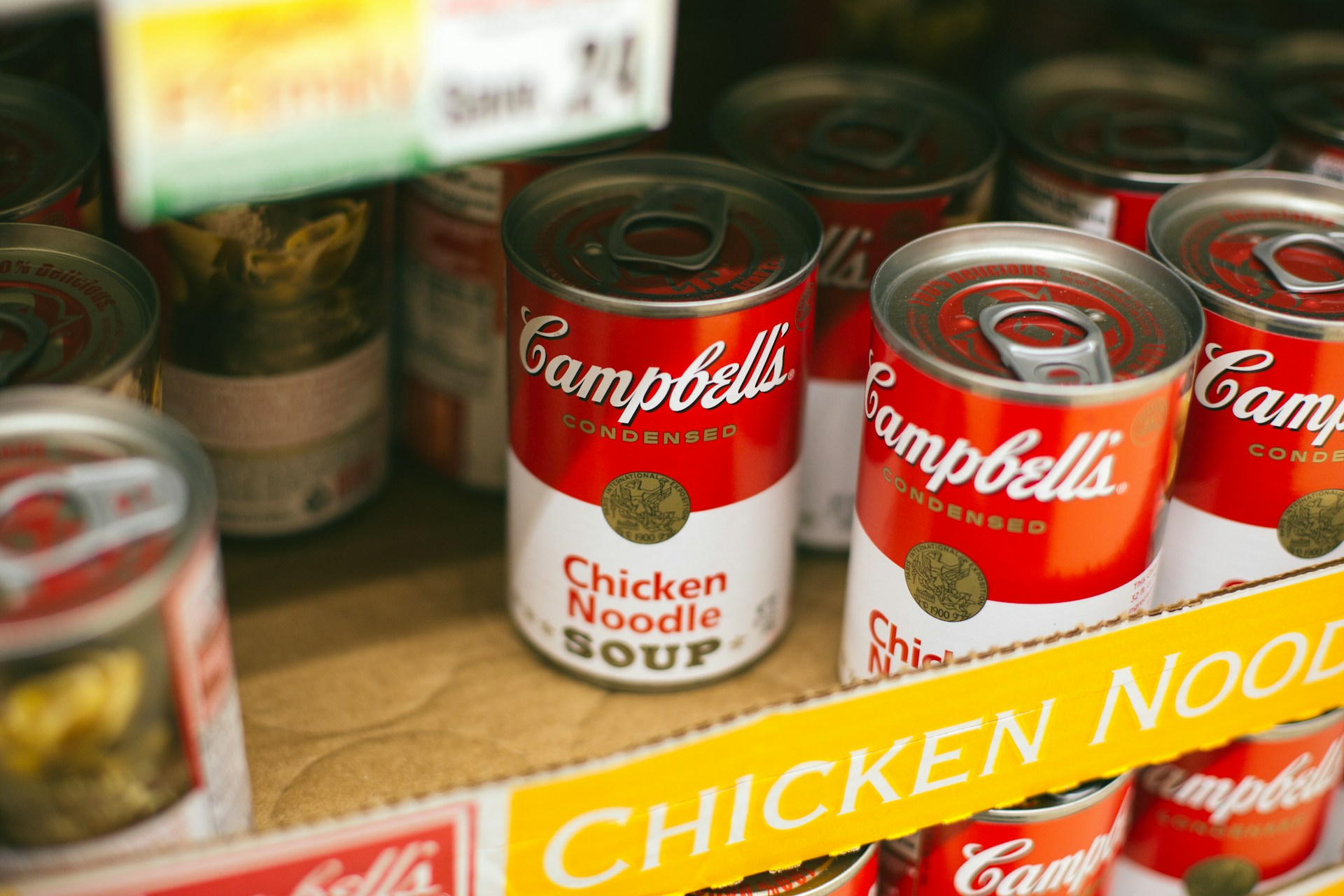
You might think a dented can of soup is fine, but food pantries must be careful about packaging that could compromise food safety. Deep dents along seams, bulging cans, leaking containers, and packages with broken seals may need to be discarded.
What to give instead: Donate unopened food in good condition, with intact labels and undamaged packaging. This makes it easier for volunteers to sort and distribute items without worrying about whether they’re safe to eat.
3. Homemade Meals and Leftovers
A homemade casserole or pot of soup might seem like a thoughtful donation, especially when you know someone could use a warm meal. Unfortunately, most traditional food pantries cannot accept meals prepared in home kitchens because they can’t verify how the food was handled, cooked, or stored.
What to give instead: Consider donating ingredients families can use to prepare meals themselves, such as canned beans, rice, pasta, canned tomatoes, and shelf-stable sauces. These items are easy to store and can be used to make a variety of meals.
4. Homemade Cookies, Cakes, and Other Baked Goods
It’s easy to assume that freshly baked cookies or homemade banana bread would be a welcome treat, particularly during the holidays. But homemade baked goods can carry the same food-safety and allergen risks as other home-prepared foods, making them hard for many pantries to accept.
What to give instead: Look for commercially packaged crackers, granola bars, oatmeal, or other shelf-stable snacks with clear ingredient labels. If you enjoy baking for others, contact a local shelter or community organization to see whether they accept homemade treats.
5. Fresh Foods That Need Refrigeration
Fresh milk, yogurt, meat, and produce can be incredibly helpful to families, but not every food pantry has the refrigerators, freezers, or storage space needed to handle them. Dropping off perishable foods without checking first could leave volunteers scrambling to store them before they spoil.
What to give instead: Canned fruit, canned vegetables, shelf-stable milk, peanut butter, and other nutritious pantry staples are often easier to distribute. If you’d prefer to donate fresh foods, call ahead to find out what your local pantry needs and whether it can accept refrigerated or frozen items.
What Food Pantries Really Need
One of the easiest ways to make your donation count is to check your local food pantry’s wish list before heading to the grocery store. Many organizations regularly update their most-needed items, including canned proteins, cooking oil, breakfast foods, baby supplies, or personal hygiene products.
And if you’re unsure what to buy, consider making a monetary donation instead. Food pantries can often buy food in bulk or through food bank partnerships, letting them stretch those dollars further and stock the items their communities need most.
The goal isn’t to discourage anyone from donating. It’s simply to make sure the food you give actually makes it onto someone’s table, rather than being turned away or thrown out.