Most people building an emergency supply stash start with food, water, batteries, medicine, and flashlights. Those are all useful, but a well-stocked home can also benefit from a few less obvious items.
Some everyday household supplies can help with quick repairs, cooking, shelter, and sanitation. Here are 10 unusual items worth setting aside before you need them.
1. Duct Tape
Duct tape is one of those household supplies you reach for once something breaks. A few rolls can patch holes in tarps, tents, buckets, hoses, and other gear, or temporarily fix a torn jacket or damaged bag.
It can also help seal drafts around windows and doors or hold lightweight items together. It won’t replace a proper repair, but it can keep something usable until you have the tools and materials to fix it.
Related: 12 Hygiene Supplies That Belong in Every Emergency Stockpile
2. Lip Balm
A small tube of lip balm takes up almost no room in an emergency kit. Besides protecting dry, cracked lips, petroleum-based balm can help start a fire when applied to cotton or another dry, absorbent material.
The balm provides extra fuel, helping the material burn longer than it might on its own. It can also help loosen a stuck zipper or protect small patches of dry skin, though it shouldn’t replace proper care for open or infected wounds.
3. Dental Floss
Dental floss is thin, lightweight, inexpensive, and surprisingly strong. A spool can help with small sewing jobs, tying bundles, securing lightweight gear, or making a temporary repair when regular thread isn’t available.
Some types can also serve as improvised fishing line. Keep a few unopened packages in storage so you have plenty on hand without giving up much shelf space.
4. Zip Ties
Zip ties are handy little supplies for quick fixes around the house, garden, or campsite. They can secure a tarp to a pole, hold loose parts together, temporarily repair a broken strap, or keep bundles of materials from falling apart.
Keep a mix of sizes if you have room. Smaller ties work well for light household jobs, while larger ones can handle heavier tasks, though neither should replace proper fasteners for repairs that need to bear weight.
5. Paracord
A spool of paracord may look like a simple piece of rope, but it has plenty of uses around a homestead or campsite. It can secure tarps, tie down equipment, hang lightweight items, support a basic shelter, or bundle firewood.
Some types have inner strands you can remove for smaller tying and repair jobs. Paracord can also help secure a splint in an emergency, but never use it as a makeshift tourniquet; serious bleeding calls for a proper medical tourniquet and someone trained to use it.
Related: 12 Important Survival Skills Every Child Should Have
6. Alcohol
Alcohol may seem like an unusual addition to an emergency stash, but some people keep a small supply for personal use or possible trade. A bottle may hold its quality for a long time when stored properly, though its barter value depends on the situation and isn’t guaranteed.
Don’t count on ordinary alcoholic drinks to disinfect wounds or surfaces. Proper hand sanitizer and medical disinfectants are much better choices for those jobs, so alcohol should remain an optional extra rather than a main emergency supply.
7. Paper Clips
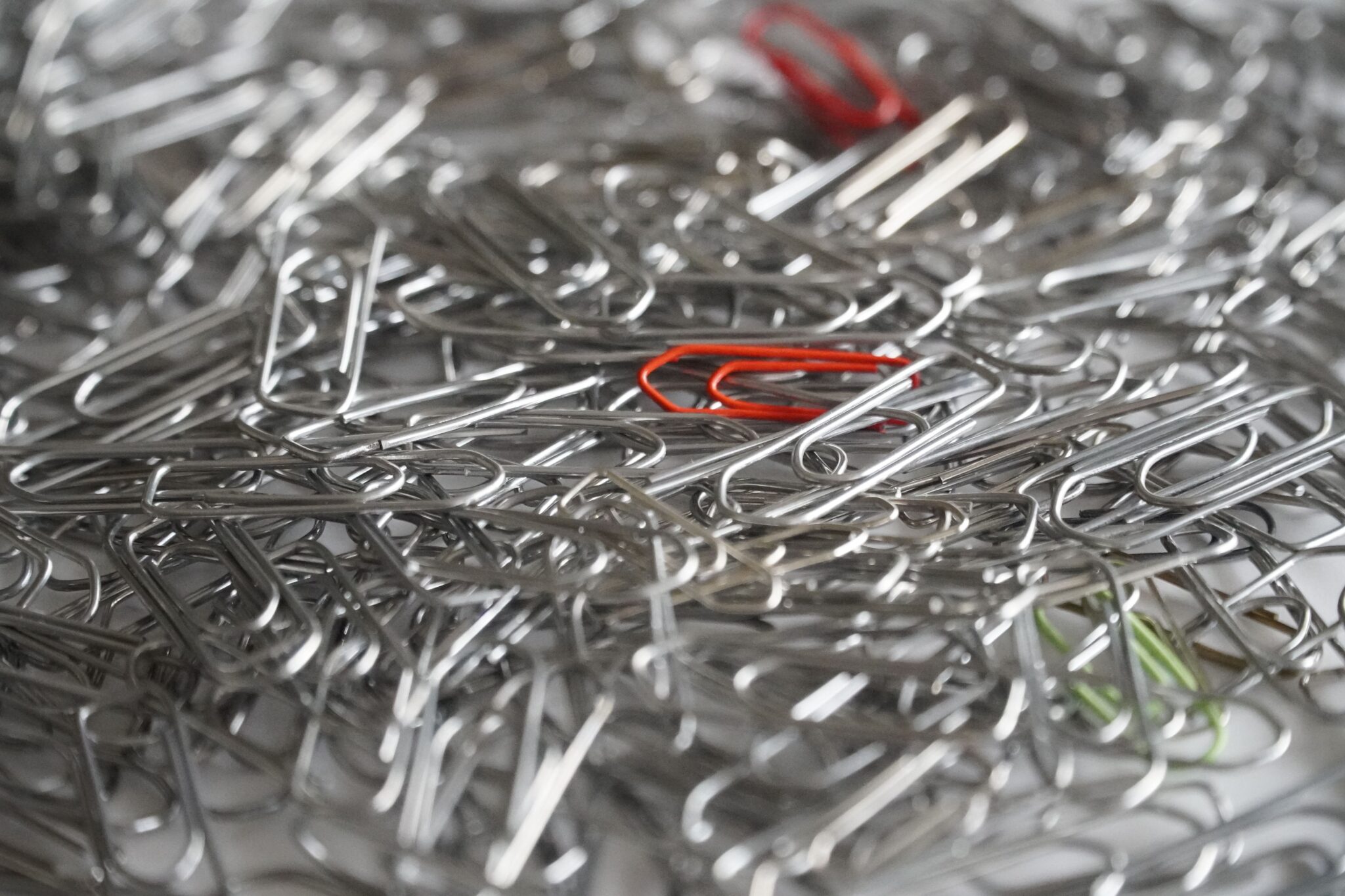
A box of paper clips costs very little and can sit in a drawer for years. Straightened clips can help fasten lightweight materials, hold small items together, or serve as temporary replacements for a missing pin.
You can also bend them into small hooks for craft projects or basic fishing setups. Keep their use to simple fastening and repair jobs rather than trying to use them to bypass locks or other security devices.
8. Old Newspapers
Before sending yesterday’s newspaper to the recycling bin, consider saving a stack for household projects and emergencies. Dry, crumpled newspaper makes useful fire-starting material, while several layers can provide temporary insulation around drafty windows or doors.
You can also use it to wrap fragile belongings, cushion stored items, cover work surfaces, or help with gardening and composting. A stack costs nothing if you already get newspapers, and you can store it fairly easily.
9. Aluminum Foil
A roll of aluminum foil can do much more than cover leftovers. Heavy-duty foil is useful for wrapping food, covering items, cooking over a suitable heat source, and making temporary barriers.
Its reflective surface can also help signal for attention or redirect light, while foil over a window can provide temporary privacy or reduce incoming sunlight. Some survival guides recommend making solar ovens with foil, but the results depend on the weather and construction, so test one before counting on it for emergency cooking.
Related: 13 Clever Survival Uses for Aluminum Foil Most People Never Think About
10. Household Bleach
Plain, unscented household bleach can help with cleaning and sanitation during an emergency. Some products are also suitable for treating drinking water, but the correct amount depends on the bleach’s concentration and formulation.
Never guess at the dosage or use scented, splashless, or specialty bleach for drinking-water treatment unless the manufacturer specifically confirms it is suitable. Follow the product label and current public-health instructions, and replace old bottles because bleach loses strength over time.