When people put together an emergency stockpile, food, water, flashlights, and
That can be a problem once an emergency lasts longer than expected. A power outage, supply shortage, severe storm, or other disruption can make an ordinary trip to the store much harder. Running out of toothpaste or toilet paper might not sound like a major emergency, but after several days without easy access to basic supplies, those little inconveniences can become a real headache.
Keeping extra personal care products at home is an easy way to avoid that problem. Most of these items store well, take up relatively little room, and are products you already use regularly. Stocking a few extras also means you can rotate them into everyday use instead of letting them sit forgotten for years.
Here are 12 personal care items worth keeping in your emergency supply stash.

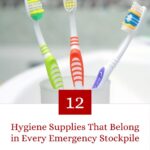
1. Toothbrushes
A toothbrush is easy to overlook until you need a new one. Keeping several extras means everyone in the household has a clean replacement available if stores are closed or you can’t get out to shop.
Store toothbrushes in their original packaging in a clean, dry area. Having a few different styles on hand can also be useful if someone in your household prefers a particular type.
Good dental care still matters during an emergency. Brushing regularly helps remove plaque and food particles and can help prevent painful dental problems.
Related: 22 Hygiene Products People Often Forget to Add to Their Emergency Stockpile
2. Toothpaste
Toothpaste is another everyday item that’s easy to take for granted. A spare tube or two can go a long way, especially during a period when shopping trips are limited.
For households with limited storage space, toothpaste tablets can be another option. They’re compact, lightweight, and don’t take up as much room as several tubes of toothpaste.
3. Dental Floss
Dental floss takes up almost no space, so there’s little reason not to keep extra on hand.
Regular flossing helps remove food and plaque from areas your toothbrush can’t reach. A few containers can last quite a while, making floss an easy item to add to an emergency hygiene kit.
Reusable interdental brushes are another option for people who prefer them, though they still need to be cleaned and replaced according to the manufacturer’s instructions.
Related: 14 Emergency Supplies Every Prepared Household Should Have
4. Hand Sanitizer
If running water becomes temporarily unavailable, hand sanitizer can be useful for cleaning your hands when soap and water aren’t an option.
Keep a few smaller bottles in different places, such as an emergency kit, car, or bathroom. A larger bottle can be kept at home for refilling smaller containers.
Choose an alcohol-based hand sanitizer and check the product label for the recommended alcohol concentration.
5. Bar Soap
Bar soap is inexpensive, compact, and easy to store. It also tends to last longer than liquid body wash, especially when kept dry between uses.
A few extra bars can cover handwashing and bathing needs for quite some time. Since bar soap comes in many varieties, stick with the type your household already uses instead of buying something that may go unused.
6. Shampoo
Shampoo can be easy to forget during emergency planning, but keeping your hair and scalp clean is still part of basic hygiene.
Liquid shampoo works perfectly well for a stockpile, though shampoo bars can save space and are convenient for travel or emergency kits. Store whichever type you normally use and rotate older bottles into your regular bathroom supplies.
7. Conditioner
If you normally use conditioner, add it to your emergency stash too. Going without it for a few days isn’t a major problem for everyone, but people with long, curly, or easily tangled hair may find it much harder to manage without it.
Conditioner bars take up little room and can be stored alongside shampoo bars. Regular bottles work just as well if you have enough storage space.
8. Feminine Hygiene Products
Menstrual supplies deserve a permanent spot in any household emergency stash. Pads, tampons, liners, menstrual cups, and reusable cloth pads are all options, depending on personal preference.
Keep enough of the products normally used by everyone in your household, with some extra available for unexpected delays. Reusable products can reduce the amount of disposable supplies you need to store, but they still require access to clean water and proper washing facilities.
9. Razors and Shaving Supplies
Razors and shaving products aren’t emergency necessities in the same way that soap or toothpaste are, but they can make a long disruption more comfortable for people who regularly shave.
A safety razor with replaceable blades takes up little storage space, while shaving soap or a solid shaving bar can last longer than cans of shaving cream.
If shaving isn’t a priority during an emergency, this is one item you can keep lower on your shopping list.
10. Deodorant
If showers become less frequent, deodorant can make daily life a little more comfortable.
Keep a few extra sticks or other products your household already uses. Solid deodorants are easy to store and don’t take up much room, making them convenient for emergency kits, travel bags, and backpacks.
11. Toilet Paper
Toilet paper is one of those products people tend to notice only after they’ve run out. It also takes up more storage space than many other personal care items.
If you have room, keeping a reasonable supply of toilet paper at home can save you from making an urgent shopping trip. Compressed toilet paper tablets are another compact option for emergency kits, camping, or travel.
Some households also use washable cloth wipes as an alternative, but these require a reliable way to wash and sanitize them properly.
12. Moisturizer
Dry skin can become uncomfortable during cold weather, dry conditions, frequent handwashing, or periods when your normal skincare routine gets disrupted.
A basic moisturizer can help with dry hands, elbows, feet, and other areas that become irritated. Products such as
Choose something your household already knows works well rather than buying a large supply of an unfamiliar product.
Building an emergency personal care stash doesn’t have to mean buying a year’s worth of everything at once. Add an extra item or two during regular shopping trips, rotate older products into everyday use, and replace them as you go.
That small habit can leave you with a useful supply of basic hygiene products without putting a big dent in your grocery or household budget.