There was a time when running a home required a wide range of practical skills. Our grandmothers didn’t outsource much, and they didn’t rely on convenience products to the extent we do today. They learned how to mend, preserve, cook, grow, and create because it was necessary and because it gave them independence.
Modern technology has made many tasks easier, but it has also distanced us from skills that once built confidence and resilience. These weren’t hobbies for them; they were part of everyday life. Here are 12 forgotten homemaking skills that helped our grandmothers become so capable and are still worth learning today.
Home Gardening
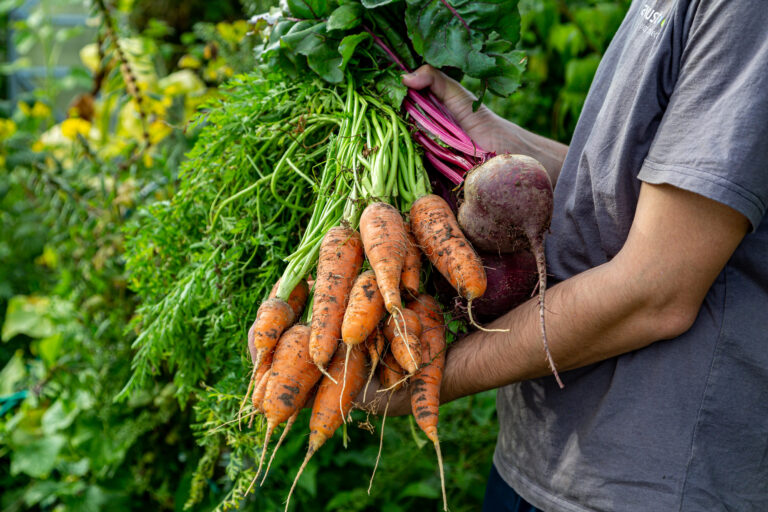
Growing vegetables, herbs, and fruit trees was common in many households. Even a modest backyard garden helped stretch the grocery budget and provided fresh food during uncertain times.
Gardening also meant understanding the seasons and planning ahead. That connection to the land gave homemakers greater food security and confidence.
Baking Bread from Scratch
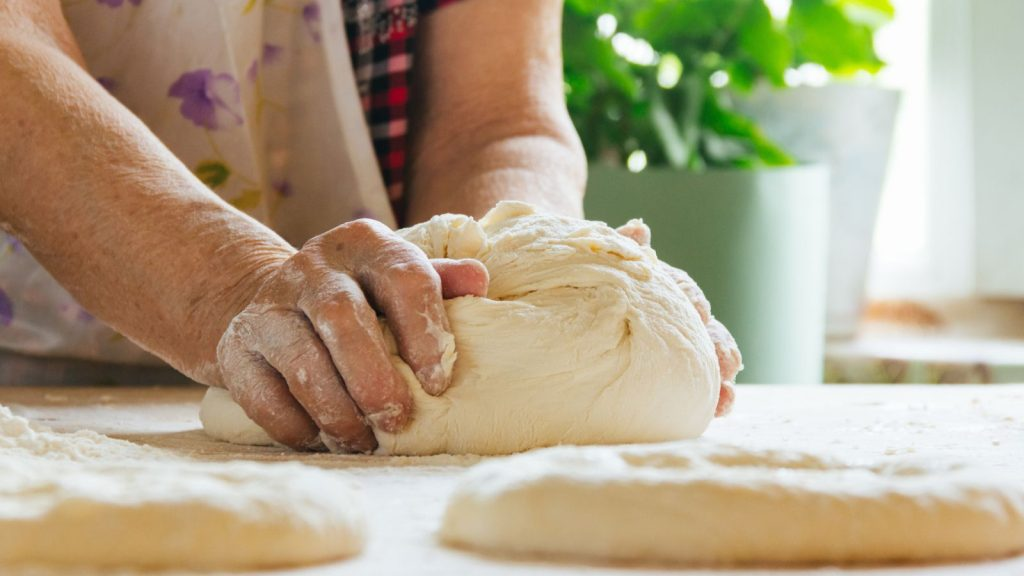
Bread baking was once a weekly, sometimes daily, routine. With just flour, yeast, water, and salt, homemakers could feed their families without relying on store-bought loaves.
Baking from scratch required patience and practice, but it became second nature over time. Fresh bread on the table was both practical and comforting.
Canning and Preserving Food
Canning allowed families to store summer harvests for the winter months. Grandmothers knew how to safely preserve fruits, vegetables, meats, and sauces so nothing went to waste.
Seeing rows of filled jars in the pantry meant security. It was a skill rooted in preparation and foresight.
Handwashing Clothes
Before washing machines were common, clothes were scrubbed by hand and hung to dry. Delicate garments were carefully washed to prevent damage.
Even today, knowing how to properly handwash extends the life of certain fabrics. It’s a reminder that clothing used to be maintained rather than quickly replaced.
Sewing and Mending
Sewing wasn’t optional; it was expected. Women repaired torn seams, replaced buttons, and sometimes made entire outfits at home.
This skill allowed families to stretch clothing budgets and personalize their wardrobes. Basic mending alone can save significant money over time.
Cooking From Scratch
Processed foods were limited, so meals were made from whole ingredients. Stocks simmered on the stove, sauces were stirred by hand, and recipes were memorized.
Cooking from scratch gave homemakers control over cost, flavor, and nutrition. It also meant fewer trips to the store and less reliance on packaged goods.
Making Use of Leftovers
Nothing was wasted. Leftover vegetables became soup, stale bread became crumbs or pudding, and cooked meat was transformed into new dishes.
Stretching ingredients required creativity and planning. It’s a habit that still saves money and reduces food waste today.
Dehydrating Foods
Before freezers were standard, food was dried to extend its shelf life. Fruits, herbs, and vegetables were preserved for later use in simple, space-saving ways.
Dehydrated foods were practical for long-term storage. This method required patience but rewarded households with reliable supplies.
Foraging for Edible Plants
Many homemakers knew how to identify wild berries, greens, and medicinal plants. Foraging added variety to meals and supplemented garden harvests.
While it requires careful learning, it reflects a deep understanding of local resources. It’s a skill rooted in observation and knowledge.
Making Dairy Products
Butter, yogurt, and simple cheeses were often made at home when milk was available. Transforming fresh milk into longer-lasting products reduced waste.
These processes weren’t complicated but required consistency. Homemade dairy gave families more control over quality and cost.
Natural First Aid
Basic herbal knowledge was commonly passed down through generations. Simple remedies using herbs and plants were used for minor ailments.
While modern medicine is invaluable, traditional knowledge often handles everyday concerns. Knowing basic natural care added another layer of self-reliance.
Crocheting
Crocheting turned yarn into blankets, clothing, and household items. It was a portable skill that could be practiced in spare moments. Handmade textiles reduced the need to purchase extras. These items often became practical heirlooms.