Living alone has its advantages. You get to enjoy your own space, make your own rules, and come and go without having to coordinate with anyone else. There’s a certain freedom that comes with having a place entirely to yourself.
But there’s also a little more responsibility, especially when it comes to keeping yourself and your home safe.
When you live alone, there’s no one else around to notice that you forgot to lock the back door, check on you when you’re sick, or help when something unexpected happens. And sometimes, the smallest habits can create problems you wouldn’t have thought twice about.
The good thing is that most of these risks are preventable. Here are 14 common mistakes people make when living alone that are worth paying attention to.
Forgetting to Lock Doors and Windows
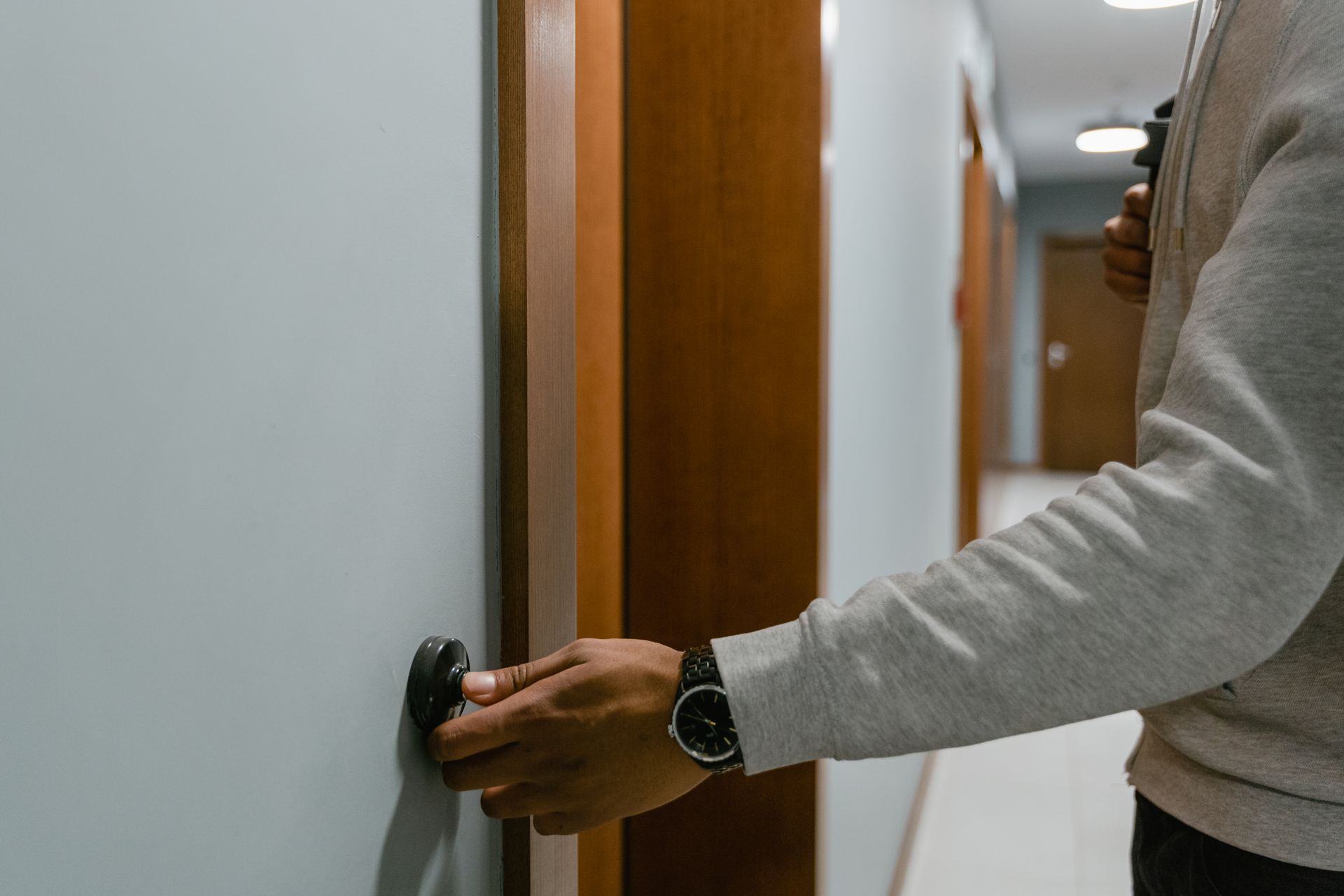
It might seem harmless to leave a window unlocked while you’re running errands or forget to lock the door when you’re home, especially in a neighborhood where you feel comfortable. But an unlocked entry point can make it easier for someone to get inside, so it’s worth getting into the habit of checking doors and accessible windows before leaving or going to bed.
Leaving Curtains and Blinds Open at Night
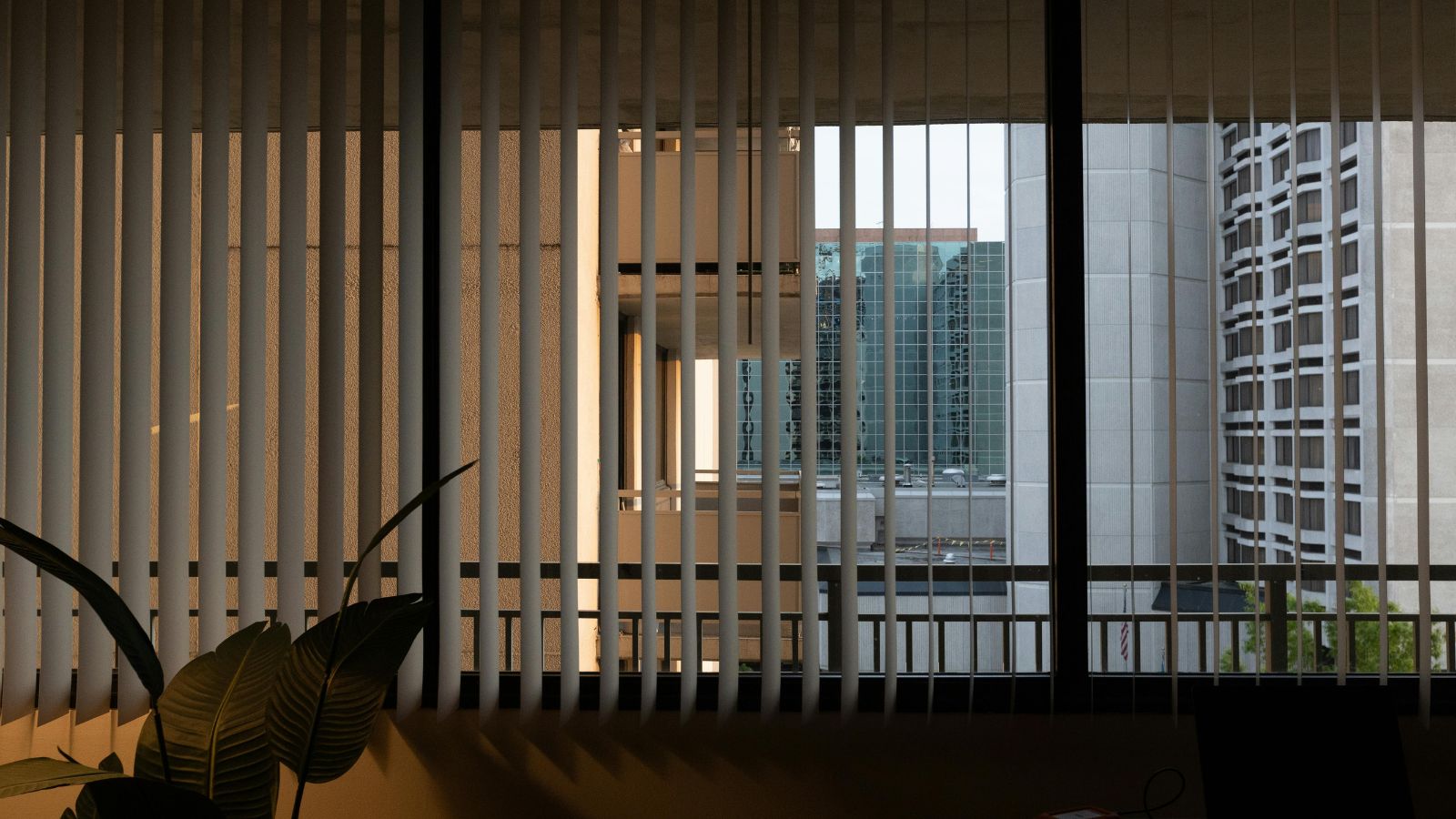
When the lights are on inside, and it’s dark outside, people can often see much more of your home than you realize. Closing your curtains or blinds in the evening helps keep your daily routines, belongings, and living space from being visible to anyone passing by.
Making It Obvious That You Live Alone
There’s no reason for strangers to know whether you live by yourself, especially people who show up unexpectedly at your door. Avoid casually mentioning that you’re home alone to unfamiliar visitors, delivery drivers, or people you’ve just met, and consider using only the necessary identifying information on publicly visible directories.
Ignoring Unusual Noises or Suspicious Activity
It’s easy to convince yourself that an unfamiliar noise outside is probably nothing, especially when you don’t want to overreact. While most noises have perfectly ordinary explanations, repeated suspicious activity, signs of forced entry, or someone trying to access your home should be taken seriously rather than investigated alone.
Not Having an Emergency Plan
If you suddenly needed to leave your home because of a fire, medical emergency, or severe weather, would you know exactly what to do? Keep emergency contacts accessible, know your exits, and make sure someone you trust knows how to reach you if something unexpected happens.
Hiding Spare Keys in Predictable Places
That spare key under the welcome mat or flowerpot might seem convenient, but those are also some of the first places someone might check. A better option is to leave a spare with someone you trust or use a properly installed, secure key lockbox when appropriate.
Related: Forget the Farm. More Americans Are Homesteading Right Where They Live
Putting Off Important Home Maintenance
A small electrical issue, leaking pipe, or malfunctioning appliance can become a much bigger problem when nobody else is around to notice it. Make a habit of checking smoke alarms, carbon monoxide detectors, locks, and appliances, and don’t put off repairs that could affect your safety.
Sharing Too Much About Your Daily Routine Online
Posting that you’re away for the weekend or sharing your exact location in real time might seem harmless, but it can reveal when your home is empty. Be mindful of what your social media posts say about where you live, when you’re usually home, and how long you’ll be away.
Keeping Expensive Belongings in Plain Sight
Leaving a laptop, television, jewelry, or other expensive belongings clearly visible through a front window can attract unwanted attention. You don’t have to hide everything you own, but arranging furniture and using window coverings can help keep valuable items out of view.
Getting Too Comfortable With Personal Safety
When you’ve lived somewhere for a while, it’s easy to stop paying attention to your surroundings or become less careful about everyday safety habits. Stay aware when arriving home, avoid opening the door to unexpected visitors without verifying who they are, and consider carrying a personal alarm if it helps you feel more prepared.
Overlooking Fire Hazards
Leaving candles burning, overloading electrical outlets, or walking away from the stove can become especially dangerous when you’re the only person home. Keep smoke alarms working, use electrical equipment properly, and have a fire extinguisher available for small fires when it’s safe to use one.
Related: 15 Electrical Hazards That Fire Safety Experts Want You to Know About
Going Too Long Without Checking In With Anyone
Living alone doesn’t mean you have to talk to someone every day, but having nobody notice when something is wrong can become a problem during an emergency. Arrange occasional check-ins with a trusted friend, family member, or neighbor, especially if you’re sick, traveling, or dealing with something that could affect your safety.
Not Keeping Basic Emergency Supplies at Home
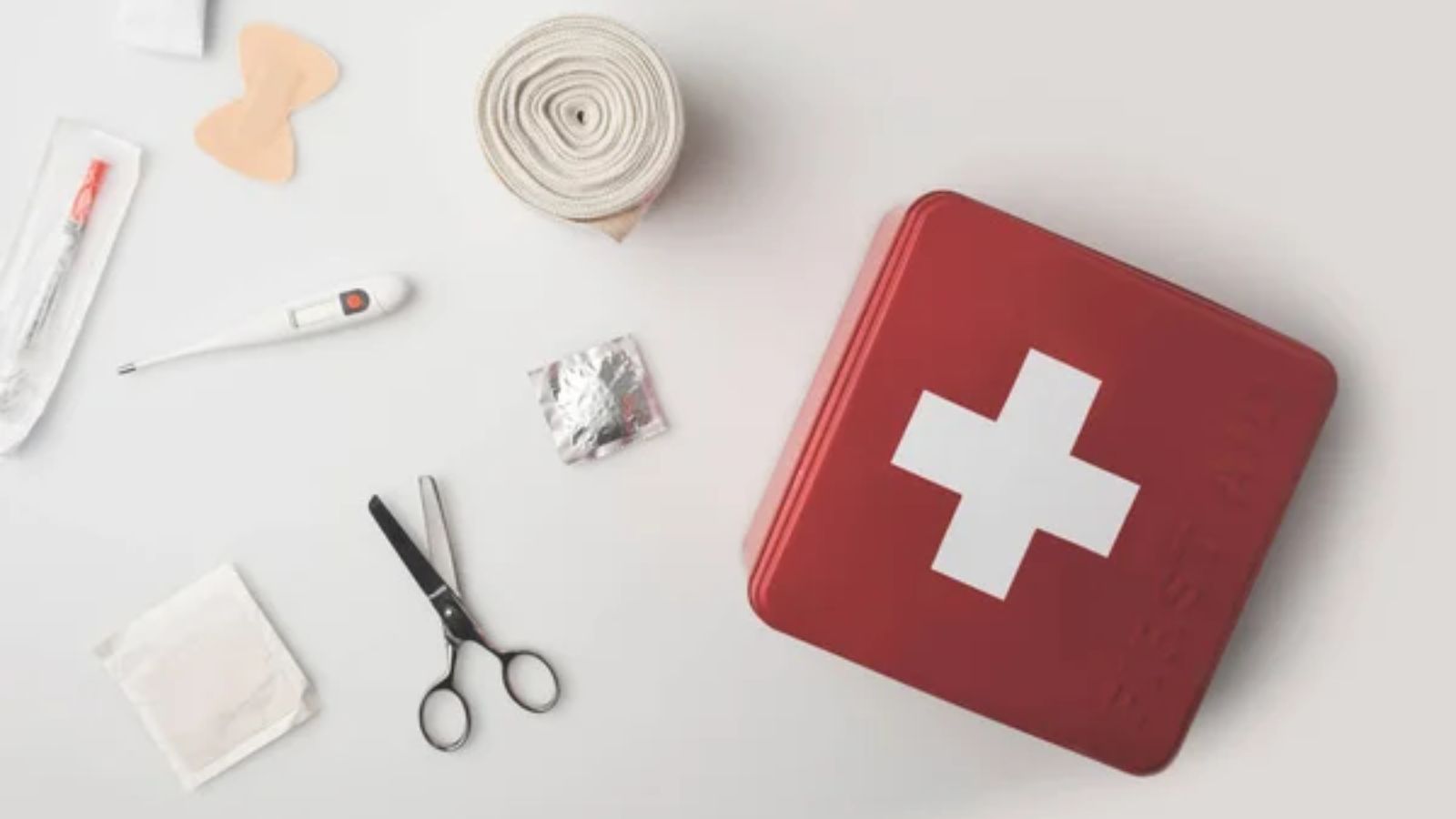
A power outage or severe storm becomes a lot more stressful when you realize you don’t have a flashlight, drinking water, or enough food to get through the next few days. Keep a small emergency kit with water, nonperishable food, batteries, a first aid kit, essential medications, and other supplies you might need if you can’t leave home.
Not Having Someone Who Can Access Your Home in an Emergency
One mistake that’s easy to overlook is having no trusted person who can get into your home if something happens to you. Whether it’s a medical emergency, an unexpected hospitalization, or a situation where you can’t return home, having a reliable friend or family member with an emergency access plan can make a difficult situation much easier to manage.