Estate sales can be a great place to pick up practical supplies without spending much money. Garages, basements, sheds, and closets are often full of things the previous owner no longer needs, but that still have plenty of life left.
If you’re putting together an emergency stash, these sales are worth checking out. Older hand tools, cast iron cookware, camping gear, blankets, and other household supplies often sell for a fraction of their original price.
The trick is knowing which things are worth bringing home. Here are 15 finds I always look for at estate sales.
1. Hand Tools
Hand tools are among my favorite estate sale finds, especially when you come across a box of hammers, screwdrivers, wrenches, pliers, and knives at a low price. Many older tools were built for years of regular use, making them handy for household repairs, gardening, building projects, and everyday jobs.
If you spot a mixed box of tools for a few dollars, take a closer look before walking away. Check the handles, moving parts, and metal for damage, since even a small collection can save you from buying replacements later.
2. Heavy-Duty Clothing
Estate sales often have sturdy outdoor clothing tucked away in closets or hanging on racks. Look for heavy coats, wool sweaters, work jackets, gloves, hats, rain gear, and other clothing that can keep you comfortable in cold or wet weather.
Buying secondhand can save quite a bit compared with purchasing new outdoor gear. Check the seams, zippers, buttons, and fabric before paying, since a lightly worn coat may have years left while badly damaged clothing may not be worth the price.
Related: How to Upcycle a Flannel Shirt: Six Simple Sewing Projects
3. Gardening Tools
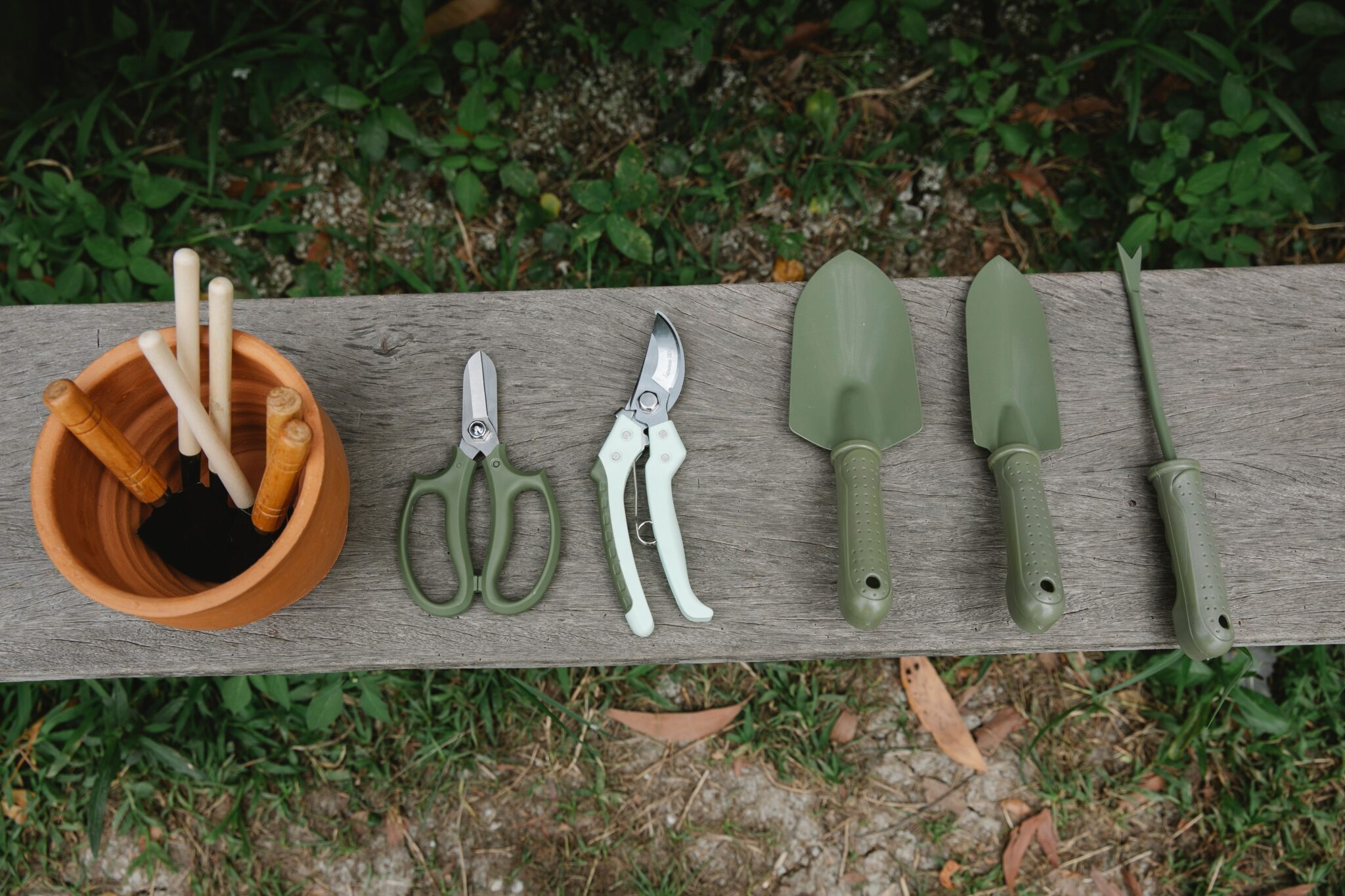
Shovels, hoes, rakes, pruning shears, hand trowels, watering cans, and wheelbarrows are all worth checking for at estate sales. Older garden tools can be surprisingly sturdy, and a little surface rust doesn’t necessarily mean they’re past their useful life.
With some cleaning and basic maintenance, many secondhand tools can be ready for another season of work. If you plan to grow some of your own food, collecting these supplies gradually can cost much less than buying everything new.
4. Blankets
Don’t overlook a pile of old blankets at an estate sale, especially if you spot wool ones. They’re handy for cold nights, heating outages, camping trips, and extra bedding when someone needs a warm place to sleep.
Check for stains, mildew, moth damage, and strong odors before buying. A clean, sturdy wool blanket can be a worthwhile find and may last for years with proper care.
5. Canning Supplies and Mason Jars
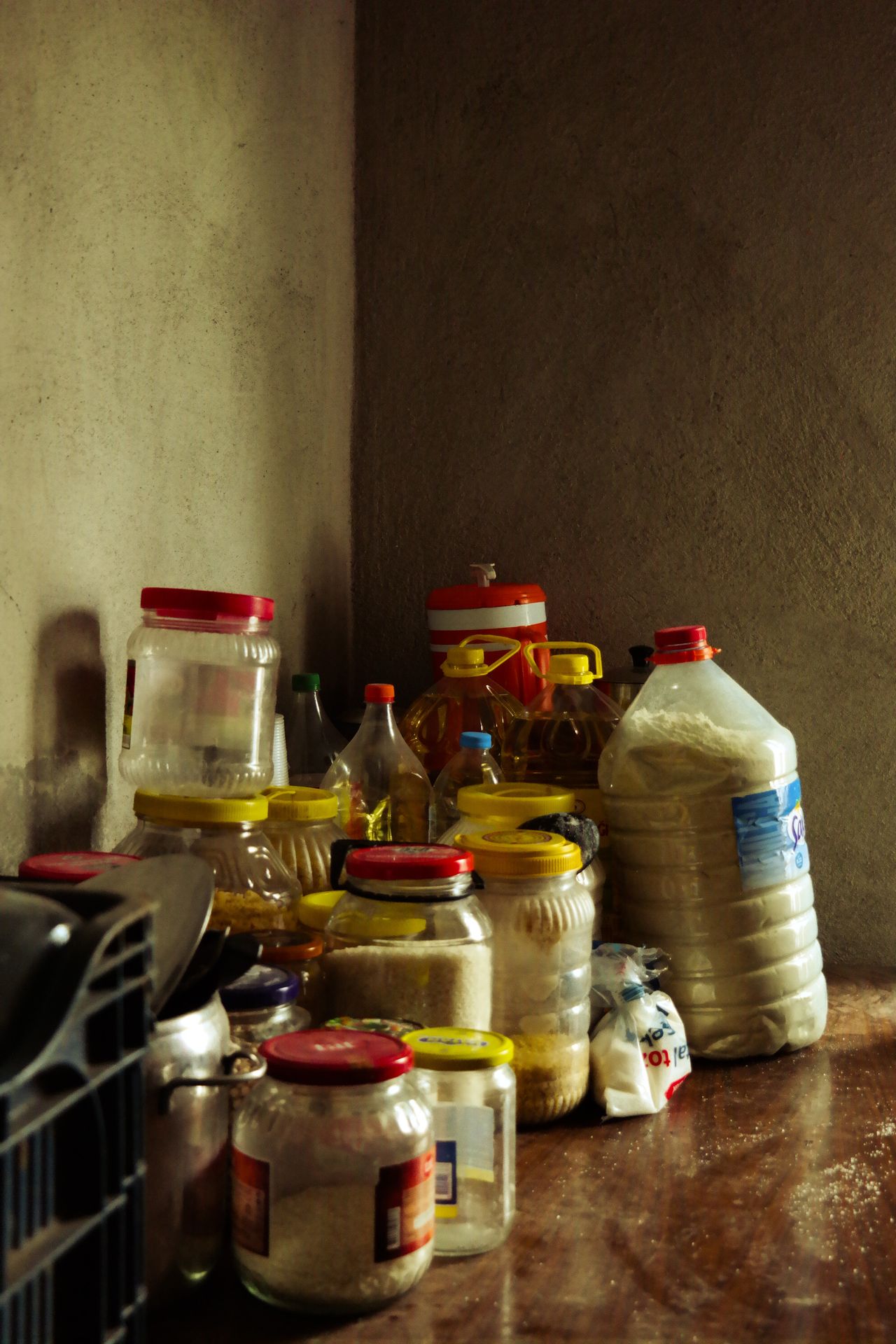
Estate sales can turn up boxes of Mason jars, canning equipment, and food storage containers at very low prices. You might find an entire collection for just a few dollars when someone is clearing out an older kitchen or pantry.
Inspect every jar for chips and cracks before using it for food preservation, and check canning equipment for wear or damage. Glass jars can also hold dry goods, seeds, spices, and homemade mixes, making them handy for pantry storage.
If you’re interested in long-term food storage, having suitable containers on hand can save you a trip to the store.
6. Cast Iron Cookware
Cast iron is worth checking for at nearly every estate sale, since skillets, Dutch ovens, griddles, and other pieces sometimes sell for a fraction of their original price. A good cast iron pan can go on the stovetop, in the oven, over a campfire, or on a grill.
If you find seasoned cast iron, inspect the cooking surface for deep cracks and other serious damage. A little rust doesn’t have to be a deal breaker, since even a cast iron skillet that’s a little rusty can often be cleaned and brought back into regular use.
7. Camping Equipment
Camping gear is another category worth checking because people sometimes buy equipment for one trip and leave it sitting in the garage for years. Look for tents, sleeping bags, camp cookware, lanterns, backpacks, tarps, and other outdoor supplies.
Check tents and sleeping bags for mold, mildew, broken zippers, and damaged fabric before buying. Stoves and lanterns need a careful inspection too, and reliable camping gear can be handy during an evacuation or temporary stay away from home.
8. Books
Take a look at the bookshelves before leaving an estate sale, since practical reference books can be easy to overlook. Older survival manuals, gardening books, first aid guides, cookbooks, camping manuals, and food preservation books are all worth checking.
Look for books that cover skills such as identifying wild plants, growing food, preserving a harvest, making basic repairs, and outdoor cooking. Printed guides can be especially handy if you lose access to the internet or electricity.
9. Backpacks
A sturdy backpack can be a useful find if you’re putting together an emergency bag. Look for comfortable straps, strong zippers, durable fabric, and several compartments for keeping supplies organized.
You can use one to carry food, water, first aid supplies, clothing, flashlights, hygiene products, and other emergency supplies. There’s no need to spend money on an expensive tactical model, since a well-made hiking or school backpack can work for many situations.
10. Flashlights
Flashlights are inexpensive to buy new, but estate sales sometimes have older models that are still in good condition. If you find several at a low price, test each one and inspect the battery compartments for corrosion before taking them home.
Keeping flashlights in different rooms, vehicles, and emergency bags means you won’t have to search around in the dark during a power outage. Check the batteries regularly so they’re ready when you need them.
11. Candles
Candles are another low-cost item worth picking up if you find unused ones at an estate sale. They take up little storage space and can provide some light during an outage.
Store them in a cool, dry place away from anything that could catch fire. Never leave a burning candle unattended, and keep it away from children, pets, and flammable materials.
Related: Garage Sale Treasures Every Frugal Prepper Should Watch For
12. Thermoses
A sturdy insulated thermos might not be the first thing that comes to mind for emergency supplies, but it has several practical uses. A good one can keep coffee, tea, soup, or water hot for hours and can also keep cold drinks chilled.
Look for stainless steel models with lids that seal properly. Inspect the inside for damage and check the lid, seal, and exterior for cracks, dents, or other problems before buying.
Related: 14 Garage Items That Are Taking Up Valuable Space
13. Fabric and Sewing Supplies
Estate sales often have boxes of fabric, sewing supplies, yarn, and other craft materials tucked away in closets or storage rooms. These supplies can come in handy for repairing clothing, making patches, sewing curtains, creating cleaning rags, or putting together bags.
If you know how to sew, a box of assorted fabric can provide material for future household repairs without another shopping trip. Even small scraps can be useful for patching worn clothing and damaged gear.
Related: 14 Important Papers You Should Keep in a Secure Location
14. Manual Kitchen Tools
Electric kitchen appliances won’t be much help during an outage, which makes manual kitchen tools worth keeping around. Look for hand-crank food processors, manual grinders, can openers, potato mashers, graters, whisks, and other tools that work without electricity.
A manual can opener is particularly handy if you keep canned food in your pantry. Test moving parts before buying and check for rust, cracks, or other damage that could make the tool difficult to use.
Related: 17 Frugal Habits That Make a Bigger Difference to Your Budget
15. Sturdy Boots
A good pair of work boots or hiking boots can be a worthwhile estate sale find if they’re in decent condition. Look for solid soles, intact stitching, working laces or fasteners, and waterproof materials if you need footwear for wet weather.
Try them on if possible, since an inexpensive pair won’t do you much good if it doesn’t fit. Check inside for excessive wear and inspect the soles for cracks or separation before bringing them home.