Garages have a funny way of becoming the place where everything goes when you don’t know where else to put it. A box gets pushed into a corner, an old chair gets tucked behind the car, and leftover supplies from a home project end up sitting on a shelf for years.
Before long, the garage is packed with things you forgot you owned.
Clearing out some of that clutter can make the space much easier to use. You don’t have to tackle the whole garage in one afternoon, either. Start with the things you already know you won’t use again.
Here are 14 common garage items that may be ready to leave.
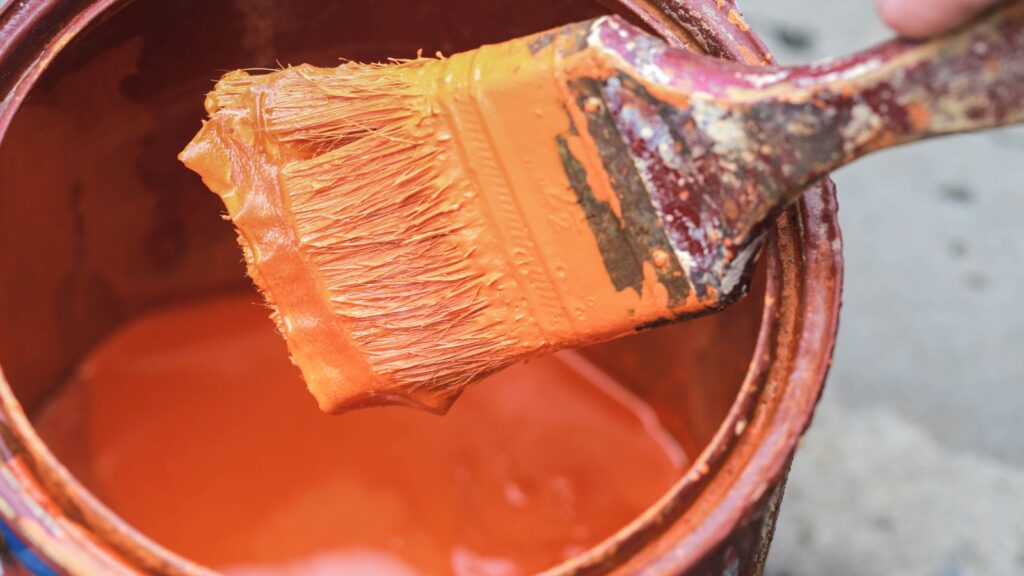
Old Paint
Leftover paint can be useful for future touch-ups, but there’s little reason to keep cans of dried-out, unusable, or long-forgotten paint.
Check the cans you have stored in the garage. If you have enough paint for a project you know you’ll actually do, keep it sealed and stored properly. Get rid of cans that are dried out or no longer needed according to your local disposal rules.
A small amount of matching paint can be handy for touching up walls, trim, or furniture, so there’s no need to throw away every leftover can.
Broken and Damaged Furniture
That broken chair or old table sitting in the garage may have started as a project you planned to fix “someday.” If years have passed and you still haven’t touched it, it’s probably taking up more room than it’s worth.
Furniture that’s beyond repair, badly damaged, or no longer useful can go. Pieces that still have some life left may be worth donating or selling.
If you’re keeping a chair because you plan to repair it, set a realistic deadline. Otherwise, it can sit there for another five years.
Related: How to Repair and Paint an Adirondack Chair
Cardboard Boxes
Online shopping can leave you with a mountain of cardboard boxes before you realize what’s happening.
Keeping a few sturdy boxes for storage or an upcoming move makes sense. Keeping dozens of flattened boxes just in case you need them someday takes up a surprising amount of room.
Break down the boxes you don’t need and recycle them according to your local recycling guidelines. You’ll probably be surprised by how much floor space you get back.
Construction and Building Materials
Home improvement projects often leave behind bits and pieces of unused materials. Maybe you have a few tiles, some lumber, leftover bricks, roofing shingles, or patio stones sitting in a corner.
Some leftovers are worth keeping if you know you’ll need them for repairs. But if you can’t remember what project they came from or have no plans for using them, they’re probably just garage clutter.
Keep useful pieces and find a responsible way to donate, recycle, or dispose of the rest.
Garden Supplies
The garage is an easy place to dump worn-out gardening supplies at the end of the season.
Take a look at your collection of hoses, pots,
If you haven’t used something in several gardening seasons, ask yourself whether you’re really going to use it again.
Non-Functioning Appliances
Old refrigerators, coffee makers, microwaves, dishwashers, and other appliances can take up a lot of room, especially if they’re sitting in the garage because you haven’t decided what to do with them.
If an appliance still works, you may be able to sell or donate it. Some organizations also accept working appliances.
For broken or outdated appliances, look into local recycling programs or appliance disposal services. Large appliances often contain materials that shouldn’t simply be thrown in the regular trash.
If an item still has resale value, you could also consider selling them through sites such as OfferUp or other online thrift stores.
Old Newspapers
Old newspapers can be fun to keep if they mark an important family event or historical moment. The problem starts when stacks of them sit untouched for years.
If you’ve got boxes of newspapers and magazines that you haven’t looked at in five or ten years, it’s probably time to sort through them.
AdTop Rated Hotels & Resorts
Discover luxury and budget-friendly stays for your next trip.
Keep the few issues that have real sentimental or historical value and recycle the rest.
Old Tires
Old vehicle and bicycle tires have a way of ending up in the corner of the garage.
They also shouldn’t simply be tossed into your household garbage. Look for a local tire retailer, recycling center, or waste facility that accepts old tires.
Getting them out of the garage gives you back floor space and keeps bulky waste from sitting around indefinitely.
Baby Items
Kids grow quickly, and garages often become storage areas for the things they’ve outgrown.
Take a look at old strollers, toys, cribs, high chairs, and other baby gear. Items that are clean and still usable may be worth donating or passing along to another family.
Be more careful with safety-related products such as car seats and cribs. Check current safety guidance and recall information before giving them away, and don’t pass along items that are damaged, expired, or missing important parts.
Paperwork
Old receipts, utility bills, instruction manuals, and other paperwork can pile up in boxes without anyone noticing.
Sort through those boxes and separate documents you still need from papers that can be shredded or recycled. Keep important records in a safer, more suitable location rather than leaving them exposed to the heat and humidity that can build up in a garage.
For documents you don’t need in paper form, scanning them can also reduce the amount of physical storage you need.
Related: 14 Genius Hacks to Declutter Your Home Faster and Reclaim Your Space
Rusty and Broken Tools
A garage doesn’t need a drawer full of tools that no longer work.
Look through your collection for rusty screwdrivers, hammers with damaged handles, rakes with missing tines, broken power tools, and duplicates you never reach for.
Some tools can be repaired or sharpened. Others have simply reached the end of their useful life. Get rid of the ones that are beyond repair and keep the tools you actually use.
You’ll have an easier time finding the right tool the next time a repair comes up.
Clothes
Clothing stored in the garage can be easy to forget about, especially when it’s packed inside boxes or plastic bins.
Go through those containers and check whether the clothes are still wearable and whether anyone in your household actually plans to wear them.
Items with tears, permanent stains, or persistent odors may be past their useful life. Good-condition clothing can be donated or sold, while damaged pieces may have another use as cleaning rags.
Outdated Electronics
Old phones, computers, televisions, DVD players, VHS tapes, CDs, cassette players, and other electronics can quickly turn into a collection of things nobody uses.
Some older electronics have resale or collectible value, so check before tossing them. Working equipment may be donated or sold, while broken electronics should go through an appropriate e-waste recycling program.
If you haven’t used an old device in years and have no real reason to keep it, there’s little benefit in letting it occupy another shelf.
Fitness and Sports Equipment
Sports gear can take up a surprising amount of garage space. Old bicycles, unused exercise equipment, worn-out sports bags, golf clubs, camping gear, and other recreational items can easily sit untouched for years.
Pull everything out and be honest about what you still use.
Equipment in good condition can often be donated or sold. Gear that’s damaged, unsafe, or no longer functional should be repaired, recycled, or disposed of properly.
The goal isn’t to get rid of everything in your garage. It’s to make room for the things you actually use. Once the broken furniture, empty boxes, outdated electronics, and forgotten supplies are gone, the garage can start feeling like a useful part of the house again instead of a giant storage closet.
Other Topics You Might Like
- 10 Strange Things That Are Surprisingly Smart to Stockpile
- How to Clean a Wood Cutting Board
- 15 Safe Ways to Clean a Cast Iron Skillet Without Ruining the Seasoning
- 12 Things Professional Organizers Would Never Store Under the Kitchen Sink
- 12 Small Habits That Make a Big Difference in Keeping Your Home Clean
Last-Minute Flight Deals
Grab incredible discounts on flights to New York, Paris, and London.