Getting prepared doesn’t have to mean buying expensive equipment or filling your home with supplies. Some of the smartest ways to become more self-reliant involve using what you already have, learning useful skills, and making better use of the resources around you.
Whether you live on a large property, have a small backyard, or grow a few plants on your patio, there are plenty of ways to prepare on a tight budget. These 15 ideas can help you save money while getting your household ready for unexpected situations.

1. Grow Your Own Food
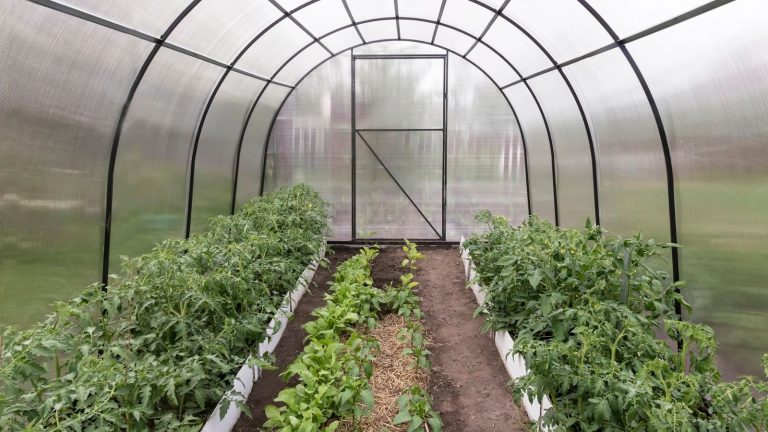
Growing vegetables at home can cut grocery costs and give you a reliable source of fresh produce during the growing season. Start with a few containers or raised beds and try easy crops like tomatoes, lettuce, beans, peppers, and herbs.
Related: 16 Practical Vaseline Uses Every Prepper Should Know About
2. Save Seeds
Saving seeds from healthy plants means you won’t have to buy new packets every season. Let seeds from suitable crops such as beans, peas, tomatoes, and lettuce mature fully, then dry and store them in labeled containers in a cool, dry place.
3. Start a Compost Pile
Composting turns many kitchen scraps and yard waste into useful material for your garden instead of sending them to the trash. Collect fruit and vegetable scraps, coffee grounds, eggshells, dry leaves, and grass clippings, while leaving out meat, dairy, and oily foods that can attract pests.
Related: 15 Habits Every Prepper Should Develop for Self-Sufficiency
4. Preserve Your Harvest
Preserving extra produce can keep a good harvest from going to waste and reduce grocery trips later in the year. Freeze berries, dry herbs, or prepare canned foods using tested recipes and safe preservation methods.
5. Trade with Friends and Neighbors
Trading with people nearby can help everyone get useful goods and services without spending as much cash. You might swap extra eggs or vegetables for firewood, honey, sewing help, or repairs, while building relationships with people you can rely on.
6. Buy in Bulk
Buying staples such as rice, beans, oats, and flour in larger quantities can lower the cost per serving. Split bulk purchases with friends or relatives if you lack storage space, and only buy amounts you can store properly and use before they spoil.
Related: Garage Sale Treasures Every Frugal Prepper Should Watch For
7. Reuse and Repurpose What You Have
Before buying storage containers or garden supplies, look around for items you can use again. Clean jars can hold dry goods, old clothes can become cleaning rags, and suitable scrap wood can be turned into simple garden projects.
8. Make Your Own Cleaning Supplies
Some basic cleaning jobs can be handled with inexpensive household products, reducing the need to buy a cupboard full of specialty cleaners. Baking soda can scrub certain surfaces, while diluted vinegar can help with some cleaning tasks; never mix cleaning products, especially bleach and vinegar.
9. Use Renewable Energy Where Possible
Small changes, such as using solar garden lights or a solar charger, can reduce electricity use for certain tasks. If you want a larger solar setup, compare equipment costs and local installation rules before buying anything, since the upfront expense may take time to recover.
Related: 14 Common Food Storage Mistakes That Could Wreck Your Prepper Stockpile
10. Collect Rainwater
Rainwater collection can provide water for gardens and other outdoor tasks, depending on local rules and the size of your storage system. Use covered, secure containers, and keep collected water separate from drinking water unless it has been treated for potable use.
11. Learn Foraging Skills
Learning to identify edible wild plants can add variety to your meals without adding much to your food budget. Use a reliable local guide or learn from an experienced expert, and never eat a plant or mushroom unless you can identify it with certainty.
12. Build a Root Cellar
A root cellar or cool storage area can keep certain vegetables fresh for longer without refrigeration. If you don’t have room for a full cellar, a suitable basement corner or another cool, dark place may work for crops that tolerate those conditions.
Related: 12 Flea Market Items That Can Help Build Your Prepper Supplies
13. Learn Basic DIY Repairs
Knowing how to handle simple repairs can save money on labor and help you deal with minor problems around the house. Start with manageable tasks such as patching small holes, maintaining tools, repairing a loose fence board, or fixing a running toilet, and call a qualified professional for work involving major electrical, plumbing, or structural risks.
14. Raise Dual-Purpose Animals
For households with enough space, certain animals can provide more than one useful resource. Chickens may provide eggs and meat, while goats or sheep can supply milk, meat, or manure, but factor in feed, housing, veterinary care, and local rules.
15. Grow a Herbal Garden
A small herb garden can provide fresh ingredients for cooking and familiar plants used in traditional herbal practices. Try growing chamomile, lavender, mint, or other herbs suited to your climate, but check reliable health guidance before using them as remedies because natural products can still cause side effects or interact with medication.