A well-stocked pantry can make everyday life a little easier. It gives you ingredients for busy weeks, cuts down on last-minute grocery runs, and gives your household something to fall back on during a power outage, severe storm, or temporary supply shortage.
But buying food and putting it on a shelf is only part of the job. Poor storage can lead to stale food, spoilage, pest problems, moisture damage, and unnecessary waste. A stockpile also needs some attention over time. Food has to be rotated, checked, labeled, and used.
The good news is that you don’t need a complicated system. A few practical habits can help your food last longer and make your pantry much easier to manage.
Store What You Actually Eat
A food stockpile should contain things your household already likes to eat. If your family never eats canned beans, buying dozens of cans just because they’re inexpensive probably isn’t the best use of your money.
Stockpile foods that already fit into your normal meals. Pasta, rice, canned vegetables, soups, oatmeal, peanut butter, spices, and other familiar foods are much more likely to get used.
This also makes life easier during an emergency. Familiar ingredients mean you won’t have to figure out how to cook completely unfamiliar foods when you’re already dealing with a stressful situation.
Related: 15 Costly Mistakes Even Experienced Preppers Make
Rotate Your Stock With the FIFO Method
The First-In, First-Out, or FIFO, method is one of the easiest ways to keep a pantry from turning into a graveyard for expired food.
Put newer purchases toward the back of the shelf and move older packages toward the front. When you need something, grab the oldest usable item first.
This takes very little effort once you get into the habit. It also keeps you from discovering a forgotten case of canned food several years after you bought it.
Keep Food Cool, Dark, and Dry
Heat, light, and moisture can all shorten the storage life of food. A cool, dry pantry away from direct sunlight is usually a much better choice than a hot garage or a damp corner of the basement.
For many shelf-stable foods, a storage temperature around 50°F to 70°F is a useful target. Try to avoid areas that experience large temperature swings.
Sunlight can also damage packaging and affect food quality over time, so a dark cabinet or enclosed pantry is preferable to an open shelf beside a sunny window.
Related: 14 Common Mistakes That Make Buyers Lose Interest
Use Airtight and Pest-Resistant Containers
Original packaging isn’t always enough for long-term storage. Dry goods such as rice, flour, beans, pasta, and grains can attract insects and rodents if they’re left in easily damaged bags or boxes.
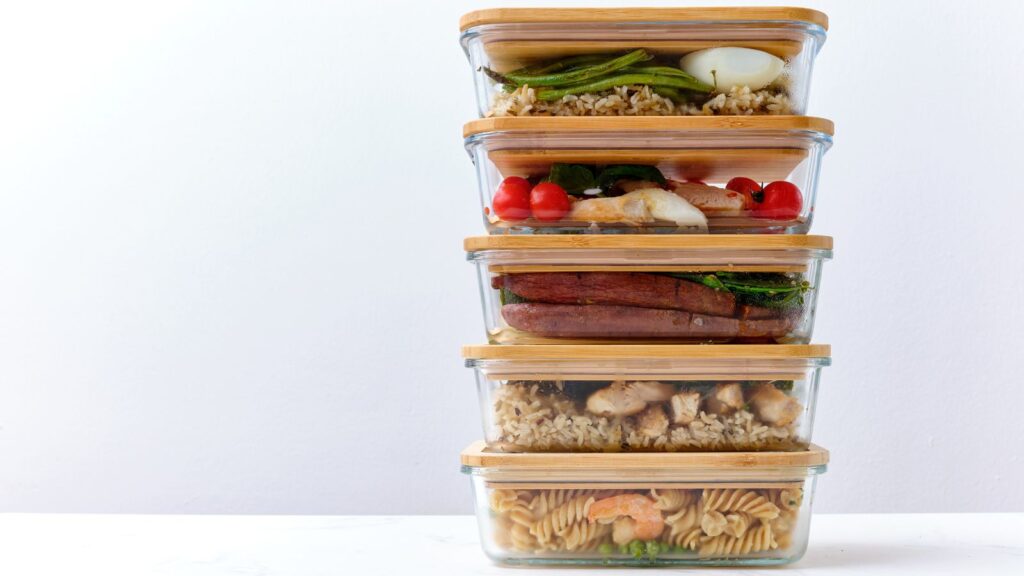
Food-grade buckets, airtight containers, Mylar bags, vacuum-sealed bags, and properly sealed jars can provide an extra layer of protection. Choose storage materials that are appropriate for food and follow the manufacturer’s instructions.
A good container also helps keep moisture out, which can make a big difference for dry foods.
Keep Food Off the Floor
A pantry floor may seem like a convenient place to stack cases of food, but it’s one of the worst spots for long-term storage.
Use shelves, pallets, or another raised surface to keep food away from the floor. This gives you some protection from small leaks, spills, flooding, and pests.
It also makes cleaning and checking your stockpile much easier. You can see what you have without moving a mountain of boxes every time you sweep.
Related: 14 First-Impression Mistakes That Buyers Notice Immediately
Learn Safe Canning and Dehydrating Methods
Home preservation can be a great way to build a larger food supply, but food safety needs to come first. Home canning and dehydrating can preserve garden produce and other foods for later use when the correct methods are followed.
If you’re new to canning, use tested recipes and instructions from reliable food-safety sources rather than guessing at processing times or temperatures. Local extension offices can also be a helpful source of classes and guidance.
The same applies to dehydrating and freeze-drying. The right preparation, temperature, moisture control, and packaging all affect how long the finished food remains safe and usable.
Keep Moisture Under Control
Moisture is a major problem for stored food, especially grains, flour, powdered foods, and other dry goods. Too much humidity can encourage mold, clumping, and spoilage.
If your storage area is naturally damp, a dehumidifier may help. Check containers for condensation and inspect food regularly for signs of moisture getting inside.
Rather than relying on one specific humidity number for every type of food, follow the storage recommendations for the particular food you’re keeping.
Label Everything With Dates
A marker and a simple label can save you a lot of frustration later.
Write the purchase date or storage date on packages and containers. For foods you preserve yourself, include the type of food and the date it was processed.
Labels make rotation much easier and help you quickly see which supplies should be used first. They also prevent the classic pantry problem of staring at an unlabeled container and wondering what on earth is inside.
Keep in mind that expiration dates don’t all mean the same thing. Follow the guidance on the packaging and check the food for signs of spoilage before using it.
Don’t Put Everything in One Place
Keeping your entire food supply in a single location may seem convenient, but it also means one problem could affect everything at once.
If you have room, divide supplies between suitable areas of your home. A pantry might hold everyday foods, while another dry storage area can hold backup supplies.
This doesn’t mean hiding food in random corners of the house. Each location should still be cool, dry, clean, and appropriate for food storage.
Keep a Simple Inventory
You don’t need an elaborate database to keep track of a pantry. A notebook, printed list, or simple spreadsheet can do the job.
Write down what you have and update the list when you buy or use something. This can prevent accidental overbuying and help you spot gaps.
Without an inventory, it’s surprisingly easy to end up with 20 cans of one vegetable while running out of basic staples you actually use.
A simple list can also help you stay organized when your stockpile starts getting larger.
Keep a Backup Water Supply
Food won’t do much good if you don’t have safe water available. Store an appropriate supply of drinking water for your household and keep it in clean, food-safe containers.
It can also be useful to know where additional water could come from during a prolonged disruption. Possible sources might include a pool, pond, rainwater collection system, or your home’s water heater, depending on the situation.
Before drinking water from an alternate source, it needs to be treated using a safe purification method. Learning how to find alternative water sources and make them safe can be just as useful as storing bottled water.
Check for Pests Regularly
A tiny hole in a package can become a major problem if rodents or insects find it. Make pest checks part of your normal pantry routine.
Look for droppings, chewed packaging, insects, webbing, or unusual odors. If you find an infestation, separate affected foods from the rest of your supply and deal with the problem before it spreads.
Some people use items such as bay leaves or diatomaceous earth around storage areas as part of their pest-control routine. Any product used near food should be handled according to its label, and food should never be contaminated with pest-control products.
Keep Emergency Rations Separate
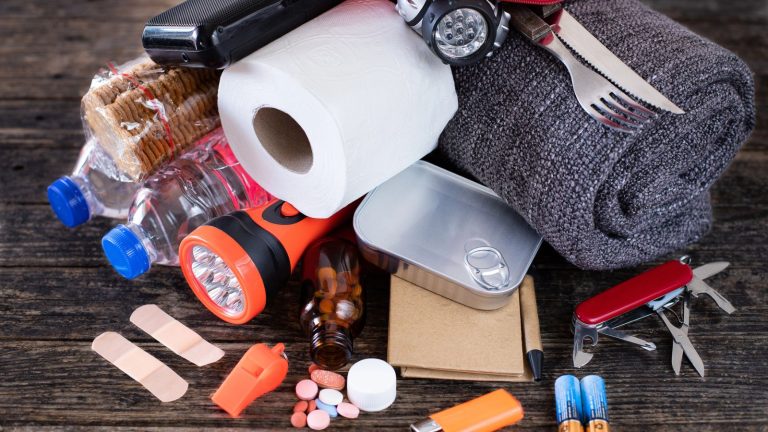
Your everyday pantry doesn’t have to serve every possible emergency. A separate supply of ready-to-eat foods can be useful if you suddenly need to leave home or can’t cook normally.
MREs, protein bars, canned foods, crackers, shelf-stable meals, and other foods that require little or no preparation can go into a dedicated emergency container.
Store this supply somewhere accessible and check it periodically. There’s little benefit to having an emergency kit if nobody remembers where it was put.
Test Your Stockpile Regularly
A stockpile shouldn’t sit untouched for years. Use the food you’ve stored and replace what you consume.
Cooking with your stored ingredients gives you a chance to find out what your family actually likes, which foods need more seasoning, and which items aren’t worth buying again.
It also exposes gaps in your supply. Maybe you have plenty of rice but very little cooking oil. Perhaps you have lots of canned vegetables but nothing your family can use for quick breakfasts.
Using your stockpile as part of normal life keeps the food moving, makes rotation easier, and helps you build a supply that actually fits your household.
A good food stockpile isn’t about filling every available shelf. It’s about keeping useful foods in safe storage and knowing what you have. With regular rotation, proper containers, pest checks, good labeling, and a little planning, your pantry can stay useful long after the initial shopping trip.