Baking soda is one of those pantry staples that seems almost too ordinary to be useful in an emergency. Most people keep it around for baking, but it can also help with cleaning, odors, personal hygiene, and a handful of other everyday problems.
It’s inexpensive, stores easily, and a small amount can go a long way. That makes it worth keeping in an emergency supply bin, especially if you’re trying to avoid stocking dozens of different products for every possible situation.
Some of these uses are handy during power outages and supply shortages, while others are just as useful for camping, travel, or everyday household chores.
Clean Fruits and Vegetables
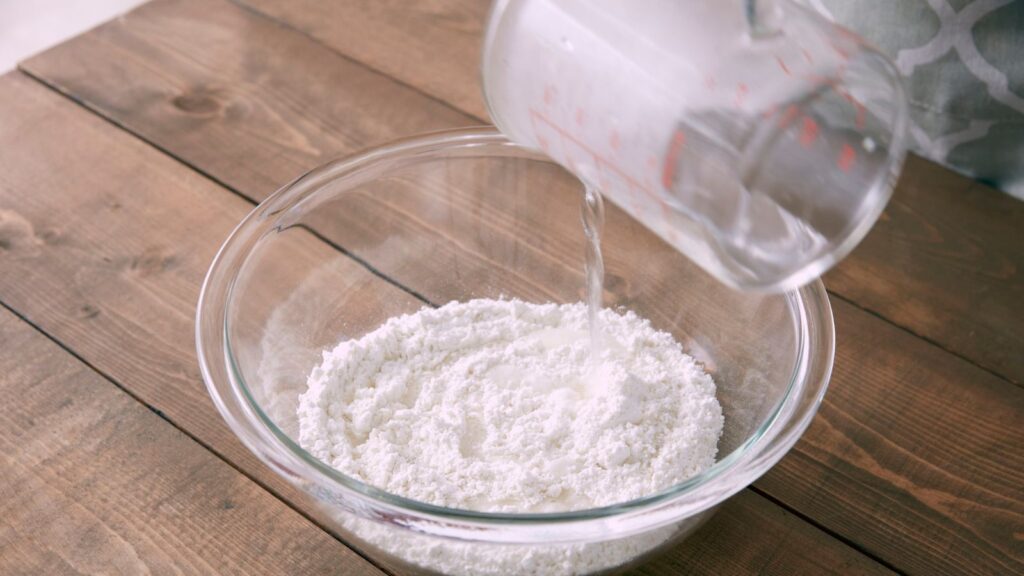
Baking soda can help scrub dirt and residue from the surface of fruits and vegetables. Mix a small amount with water and use it as a gentle scrub before rinsing the produce well with clean water.
It won’t make contaminated food safe, and it shouldn’t be treated as a replacement for proper food washing or food safety practices. Still, it can be handy for removing surface dirt when you have limited cleaning supplies.
Related: 15 Productive Fruits and Vegetables Perfect for Container Gardening
Reduce Human Odor While Hunting
Some hunters use baking soda as part of their scent-control routine because it can absorb odors.
A small amount can be used on clothing or gear to help reduce smells before heading outdoors. It isn’t a substitute for proper scent-control practices, but it costs very little and is easy to carry.
Soothe Bug Bites and Stings
A baking soda paste can provide temporary relief from the itching and irritation caused by some insect bites.
Mix baking soda with a little clean water until it forms a paste, then apply a small amount to the affected area. Stop using it if your skin becomes more irritated.
For serious allergic reactions, trouble breathing, swelling of the face or throat, or other severe symptoms, seek emergency medical care rather than relying on a home remedy.
Clean Minor Scrapes
Baking soda is sometimes used in homemade rinses, but clean running water is the better choice for cleaning most minor cuts and scrapes.
If you’re dealing with a small wound during an emergency, focus on rinsing it thoroughly with clean water, controlling bleeding, and covering it with a clean dressing. Baking soda should not be used as a substitute for proper wound care.
Help Put Out a Small Grease Fire
Baking soda can help smother a small grease fire because it releases carbon dioxide when heated.
This is only appropriate for a very small, contained fire. Never throw water onto a grease fire, and don’t put yourself at risk trying to fight a growing fire. For a pan fire, turning off the heat and carefully covering the pan with a metal lid can also help cut off the oxygen.
A household fire extinguisher rated for the type of fire you might encounter is a much better item to keep nearby.
Relieve Occasional Heartburn
Baking soda can neutralize stomach acid, which is why it has sometimes been used as a homemade antacid.
This is one use that calls for more caution than many household applications. Taking too much can cause serious problems because baking soda contains a large amount of sodium. It can also interact with certain health conditions and medications.
For regular heartburn or indigestion, an appropriate over-the-counter product and advice from a healthcare professional are safer choices.
Deodorize Clothing and Gear
Baking soda is especially useful for dealing with unpleasant smells.
Sprinkle a small amount inside smelly shoes, backpacks, or other gear and let it sit for several hours before shaking or brushing it out. For clothing, follow the garment’s care instructions rather than dumping baking soda directly onto delicate fabrics.
This can be especially useful during camping trips when washing clothes isn’t always convenient.
Don’t Use It to Preserve Perishable Food
Baking soda can absorb odors and moisture, but it shouldn’t be used as a method for preserving meat, dairy products, or other foods that require refrigeration.
If the refrigerator loses power, keep the door closed as much as possible and follow food-safety guidance for determining what is still safe to eat. When in doubt, throw questionable food away.
Baking soda belongs in your cleaning and odor-control supplies, not your food-preservation plan.
Soothe Minor Sunburn Discomfort
A cool bath can help make a minor sunburn feel better. Some people add a small amount of baking soda to the bathwater for additional soothing.
Avoid applying baking soda directly to badly damaged skin. For serious burns, blistering over a large area, signs of infection, or burns involving sensitive areas, seek medical attention.
Use It for Basic Tooth Cleaning
If you run out of toothpaste, a small amount of baking soda can be used occasionally to clean your teeth.
Baking soda is mildly abrasive and can help remove surface stains and odors, but it isn’t a complete replacement for fluoride toothpaste. For long-term dental care, fluoride toothpaste remains the better choice.
Freshen Your Breath
A diluted baking soda rinse can help neutralize some mouth odors.
Mix a small amount with clean water, swish it around your mouth, and spit it out. Don’t swallow the mixture.
This can be useful during camping or travel when your usual mouthwash isn’t available.
Tenderize Certain Cuts of Meat
Baking soda can change the texture of meat by raising the pH on its surface. A small amount can be used before cooking, particularly with thin cuts that tend to become tough.
Use only a small quantity and rinse the meat afterward if the recipe calls for it. Too much baking soda can leave meat with an unpleasant, soapy taste.
Clean Pots, Pans, and Cooking Gear
This is one of the more practical uses for an emergency stash.
Sprinkle baking soda onto a dirty pan, add a little water, and use it as a gentle abrasive to loosen stuck-on food and grease. It can also help scrub cups, utensils, and other washable cooking equipment.
That can come in handy if your normal supply of dish soap runs low.
Control Body Odor
Baking soda can absorb odors, which is why some people use small amounts as a homemade deodorant.
If you try it, test a small area first. Baking soda can irritate some people’s skin, especially when applied repeatedly to the underarms.
A small container can still be useful for odor control on clothing, shoes, and other gear if it doesn’t work well for your skin.
Soothe an Itchy Poison Ivy Rash
A cool bath containing a small amount of baking soda may provide temporary relief from itching caused by poison ivy or poison oak.
Avoid aggressively rubbing or scratching the rash, since broken skin can become infected. Wash clothing, shoes, tools, and other items that may have come into contact with the plant’s oils.
For a severe rash, facial or genital involvement, widespread blistering, or trouble breathing, medical care is needed.
Help With Canker Sore Discomfort
A mild baking soda rinse can sometimes help soothe irritation from a canker sore.
Mix a small amount of baking soda with clean water, swish it around your mouth, and spit it out. Don’t use an overly concentrated mixture, since it may irritate your mouth further.
Most canker sores heal on their own, but sores that are unusually large, painful, frequent, or slow to heal should be checked by a healthcare professional.
A box of baking soda won’t solve every emergency problem, but that’s not really the point. It’s cheap, compact, and useful for several basic household jobs, which makes it a practical item to keep in a pantry or emergency kit.
Just keep its limits in mind. Baking soda can be a handy backup for cleaning, odor control, and a few comfort measures, but it shouldn’t replace proper food-safety practices, medical treatment, or fire-safety equipment.