

When it’s time to make dinner, most of us rely on modern conveniences like ovens, microwaves, air fryers, or crockpots to get the job done quickly. But have you ever considered what you’d do if the power went out or those devices weren’t an option? Sure, sandwiches might seem like an easy solution, but what happens when you can’t buy bread from the store or the ingredients to make it?
Learning how to cook the way our ancestors did isn’t just a fun nod to the past—it’s a crucial survival skill. These primitive cooking methods allow you to prepare hearty, satisfying meals without relying on electricity or modern gadgets.
Whether it’s a natural disaster, an extended camping trip, or a desire to become more self-reliant, knowing these techniques ensures you can keep your family nourished no matter what life throws your way.
1. Open Fire Cooking
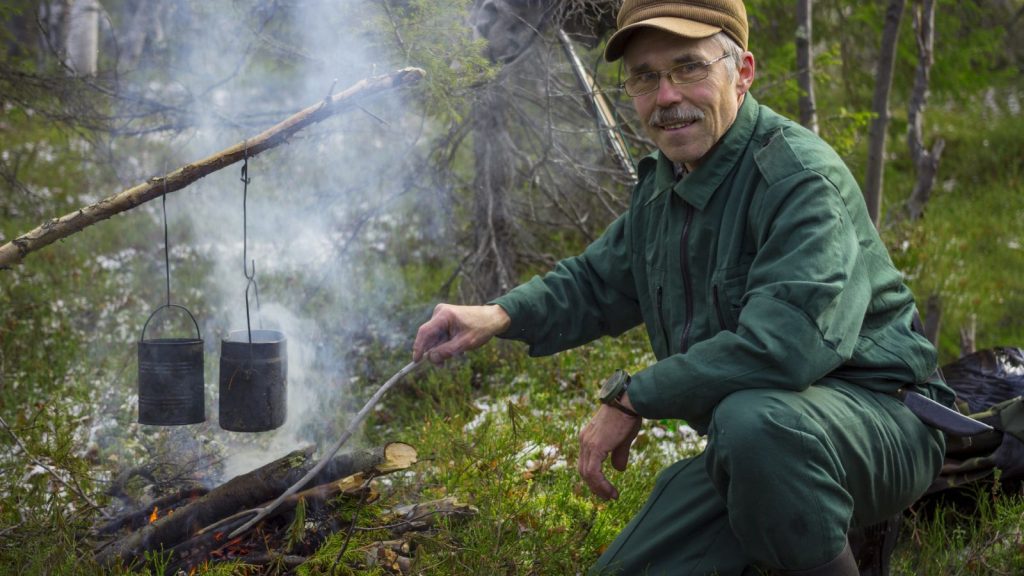
This is probably one of the most popular ways to cook without electricity. Many people feel this method enhances the flavor through direct flame cooking. Use wood or charcoal to create a fire and cook food directly over the flames or embers via a spit, stick or grill directly over the fire.
2. Stone Boiling
This method allows you to boil water or food in something other than a pot over the fire. It involves heating stones in a fire and placing them in a water-filled container like a carved-out log or animal hide. Any container will do, which is important if you don’t have a pot.
3. Clay Baking
Naturally seals in moisture and adds a unique earthy flavor to the foods cooked inside. This method is similar to a crockpot. Place your food in a clay pot, cover it and bake it in hot embers.
4. Pit Cooking (Earth Ovens)
This is an ideal for cooking large quantities or tough meats over hours. If you harvest a large game animal, you’ll need to cook it quickly. Dig a pit, add hot stones or coals, layer with leaves, place food, and cover with soil.
5. Ash Roasting
Quick and easy method for root vegetables like potatoes or onions. Place food directly in the embers or ashes of a fire.
6. Smoking
This method preserves food and adds a smoky flavor. This is a good method to learn to keep food safe to eat for weeks and months after harvesting. Use low heat and smoke from wood to cook and preserve meat or fish over hours or days.
7. Spit Roasting
This is another option that is good for evenly cooking large pieces of meat. Skewer meat on a spit and rotate it over an open flame. It will take several hours, maybe twelve depending on the size of the meat you’re cooking.
8. Steaming with Leaves
This is a great way to cook and save nutrients and moisture in the food. It’s a perfect method for delicate foods. Wrap food in large leaves like banana or corn husks and place over steaming water or in hot coals.
9. Hot Rock Grilling
Versatile for cooking different foods without modern cookware. Heat flat stones in a fire, then use them as a griddle. You can fry eggs, cook flat breads and cook thin slices of meat.
10. Plank Cooking
This method infuses a subtle smoky flavor to the food, especially fish. Attach food to a wooden plank and angle it near the fire to cook.
11. Sand Baking
Great for baking bread or root vegetables in sandy environments. Bury food in hot sand heated by a fire. The food can be rinsed off after cooking to remove the sand.
12. Salt Crust Baking
This method locks in moisture and creates a natural seasoning layer. Cover food in a thick layer of salt and bake it in embers or a fire.
13. Fermentation

Preserves food for long periods and enhances flavor. Use natural microbes to ferment grains, vegetables, or dairy. Think sourdough and kimchi.
14. Drying (Sun or Fire)
Lightweight preservation method for meats, fruits, and vegetables. Use sunlight or low heat from a fire to remove moisture. Meat, as well and fruits and vegetables can be sliced thin and hung to dry in direct sun.
15. Sous Vide with Water Bath
A primitive version teaches temperature control without modern tools. Use a steady heat source and sealed containers like animal bladders or leaves in water to slow-cook food.
16. Solar Oven
These are very simple to make with aluminum foil and a box. It acts as a slow cooker. Place glass over the box to increase the heat inside.


