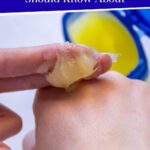
Vaseline is one of those household products that tends to sit quietly in a bathroom cabinet until you suddenly need it. Most people know it as a moisturizer or lip balm, but petroleum jelly can be useful for plenty of everyday jobs around the house, garden, and homestead.
It also stores well for a long time, making a small jar handy to keep in an emergency kit, toiletry bag, or household supply box. From protecting skin to loosening a stubborn zipper, here are 16 practical ways Vaseline can come in handy.

Helping Protect Minor Wounds
Petroleum jelly can help keep minor cuts and scrapes from drying out. A thin layer helps create a protective barrier that keeps the area moist and shields it from dirt and friction.
For a small wound, clean the area first, then apply a thin layer of plain petroleum jelly. Keep the area covered with a clean bandage and change it regularly. Vaseline isn’t a substitute for medical care for deep, infected, or serious wounds.
Soothe Bug Bites
A dab of Vaseline can help calm the irritation that comes with an itchy bug bite. The thick texture creates a barrier over the skin, which can make the area feel less irritated and may help keep you from scratching it.
Apply a small amount to clean, unbroken skin. Stop using it if the area becomes more irritated.
Protect Your Lips
Chapped lips are common during cold, windy, or dry weather. Vaseline works as a simple lip protectant by forming a barrier over the skin and helping prevent moisture from escaping.
Keep a small tube or jar in your emergency bag, car kit, or pocket during outdoor work.
Related: How to Make Lemon Balm Lip Balm for Cold Sores
Help Prevent Diaper Rash
Petroleum jelly has been a longtime staple in many diaper-changing routines. Its thick texture forms a barrier between a baby’s skin and moisture, which can help prevent irritation.
Apply a thin layer to clean, dry skin during diaper changes. For a rash that is severe, persistent, or getting worse, check with a pediatrician.
Polish Leather Shoes
Have a pair of leather shoes that look dry or dull? A tiny amount of Vaseline can give them a quick shine.
Put a small dab on a soft cloth and rub it gently over the leather. Buff away any excess with a clean section of the cloth. Test it on a hidden spot first, since petroleum jelly isn’t suitable for every type of leather or finish.
You can also try it on some leather bags and other leather items.
Related: How to Make Beeswax Leather Conditioner & Shoe Polish
Free a Stuck Zipper
A stubborn zipper can turn a simple task into a frustrating one. Instead of pulling harder and risking damage, try putting a tiny amount of Vaseline on the zipper teeth.
Move the zipper back and forth gently to work the petroleum jelly into the teeth. Wipe away any excess once the zipper starts moving normally again.
Stop Squeaks and Sticking
A little Vaseline can act as a basic lubricant for certain household items. It can help quiet a squeaky hinge or make a stiff mechanism move more smoothly.
Use a small amount on door hinges, metal parts, or other suitable surfaces where friction is causing the problem. Keep it away from electrical components and areas where a petroleum-based product could cause damage.
Cover Minor Scratches on Wood Furniture
Small scratches can make otherwise nice wood furniture look worn. Vaseline may help make some light surface scratches less noticeable.
Rub a small amount over the scratch and let it sit for a little while. Then wipe away the excess with a soft cloth. Test the method in an inconspicuous area first, since finishes vary from one piece of furniture to another.
Reduce the Look of Water Marks on Wood
Those cloudy water rings left by a cold glass can be frustrating. Vaseline may help with some surface-level marks on finished wood.
Apply a thin layer over the affected spot and leave it for around 30 minutes. Wipe it away with a clean, soft cloth and see how the finish looks. Test a hidden area first before treating a noticeable piece of furniture.
Remove Sticky Labels and Stickers
Stubborn labels can leave behind a layer of glue long after the sticker itself is gone. Vaseline can help loosen that sticky residue.
Spread a thin layer over the sticker or adhesive and let it sit for several minutes. Gently lift the label with your fingernail or a plastic scraper, then wipe away the residue.
Related: How to Get Stickers Off Glass: 15 Easy Methods
Protect Chickens’ Feet and Combs in Cold Weather
Cold weather can put chickens at risk of frostbite, particularly on exposed areas such as their combs and feet. Some backyard chicken keepers use petroleum jelly as a protective coating during very cold conditions.
Apply only a small amount to clean, dry skin. Good shelter, dry bedding, and protection from wind and moisture are still the main ways to keep chickens comfortable during cold weather.
Remove Makeup
Vaseline can help break down makeup, including some long-wearing products that don’t come off easily with soap and water.
Apply a small amount to the area with clean fingers or a cotton pad, then gently wipe away the makeup. Take care around the eyes and wash the area afterward.
Help Protect Metal From Moisture
Metal tools, blades, and other items can develop rust when they’re exposed to moisture. A thin coating of petroleum jelly can create a barrier between the metal and moisture.
Clean and dry the item first, then rub on a very thin layer of Vaseline. This can be handy for tools stored in sheds, workshops, or other damp areas.
Moisturize Dry Skin
Dry, cracked skin can become especially uncomfortable during cold or dry weather. Vaseline works by creating a barrier that helps hold moisture in the skin.
For the best results, apply a thin layer to slightly damp skin after washing. It’s especially useful on dry hands, elbows, heels, and other rough spots.
Bicycle Maintenance
Vaseline can serve as a temporary lubricant for some bicycle parts, including a stiff chain in a pinch. Apply a small amount to the appropriate moving parts and wipe away excess.
For regular bicycle maintenance, use a lubricant made for bicycle chains. Petroleum jelly can collect dirt and dust, so it isn’t the best long-term chain lubricant.
Prevent Skin Chafing
Long walks, outdoor work, exercise, and hot weather can all lead to uncomfortable chafing. A thin layer of Vaseline can reduce friction between areas of skin or between skin and clothing.
Apply it to clean, dry areas before activity. It can be especially useful on the thighs, underarms, and other spots that tend to rub.
A small jar of Vaseline doesn’t take up much room, yet it can handle a surprising number of everyday jobs. Keep one with your household supplies, first-aid items, or outdoor gear, and you’ll have a simple product ready for plenty of situations.
Other Topics You Might Like
- 10 Strange Things That Are Surprisingly Smart to Stockpile
- How to Clean a Wood Cutting Board
- 15 Safe Ways to Clean a Cast Iron Skillet Without Ruining the Seasoning
- 12 Things Professional Organizers Would Never Store Under the Kitchen Sink
- 12 Small Habits That Make a Big Difference in Keeping Your Home Clean