When it comes to prepping, most of us focus on the essentials: food, water, and basic supplies. But self-sufficiency requires more than just the b10 Weird and Unusual Items You’d Never Think to Stockpile
When people start preparing for an emergency, the first things that usually come to mind are food, water, batteries, medicine, and flashlights. Those supplies matter, but they aren’t the whole picture.
Real self-sufficiency often comes down to having ordinary items that can solve small problems. A roll of tape can fix a torn tarp. Dental floss can hold something together. A stack of old newspapers can help start a fire or insulate a window. None of these things look impressive sitting on a shelf, but they can be surprisingly handy when a trip to the store isn’t an option.
For homesteaders and preppers, these inexpensive supplies are worth keeping around because many have several uses. They can help with repairs, shelter, cooking, sanitation, and everyday chores during a power outage or extended emergency.
Here are 10 unusual stockpile items that deserve a little more attention.
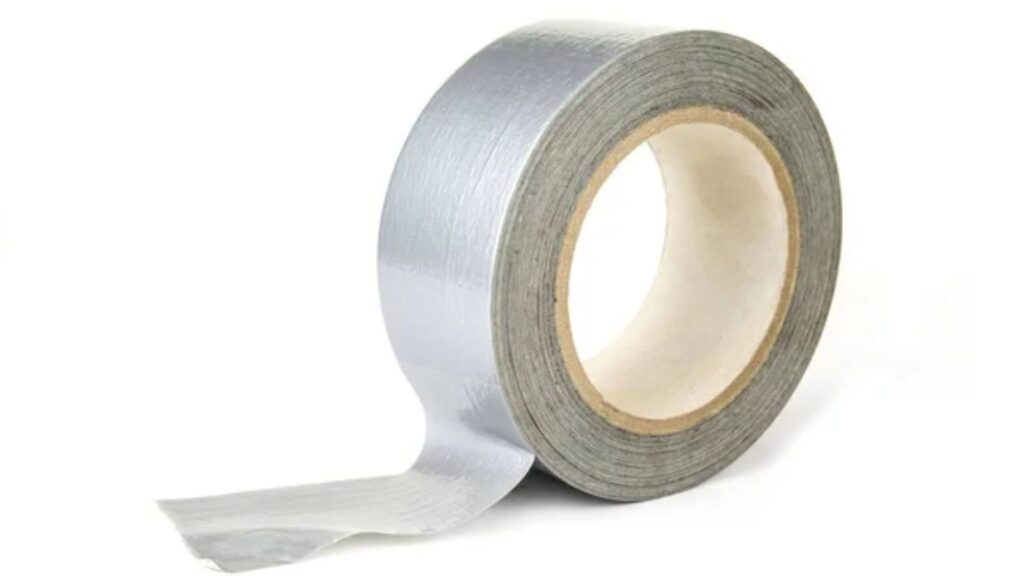
1. Duct Tape
Duct tape is one of those household supplies that seems ordinary until something breaks.
A few rolls can be used to patch holes in tarps, tents, buckets, hoses, and other gear. It can also help seal drafty windows and doors during cold weather. A torn jacket, damaged bag, or broken piece of equipment can sometimes get a temporary repair with a strip or two.
It can even be twisted or folded into makeshift ties for securing lightweight objects.
Duct tape isn’t a permanent fix for every problem, but having it nearby can save you from throwing something away or going without it until a proper repair is possible.
2. Chapstick
A tube of lip balm takes up almost no room, which makes it easy to toss into an emergency kit.
Beyond protecting dry, cracked lips, petroleum-based lip balms can help start a fire when spread over cotton or another dry, absorbent material. The balm gives the material fuel and can help it burn longer than dry cotton alone.
Lip balm can also provide a little lubrication for things such as stuck zippers or stiff hinges.
For small areas of cracked skin, it can act as a temporary protective barrier. It should not be treated as a substitute for proper wound care, though, particularly for open or infected wounds.
Related: DIY Peppermint Lip Balm
3. Dental Floss
Dental floss is thin, light, inexpensive, and surprisingly strong.
A spool can be useful for small repairs, tying bundles, securing lightweight gear, or sewing a torn piece of fabric when regular thread isn’t available. Some types can also be used as an improvised fishing line.
It works particularly well for jobs that call for a thin cord rather than something bulky. Keep a few unopened packages in your stockpile and you’ll have plenty available without taking up much storage space.
4. Zip Ties
Zip ties are another inexpensive item that can earn their place in an emergency supply box.
They can secure a tarp to a pole, hold loose parts together, repair a broken strap, or keep bundles of materials from coming apart. They’re especially handy for temporary repairs because they take seconds to put in place.
Keep several sizes if you have room. Small zip ties work well for household repairs, while larger ones are useful for heavier jobs.
They aren’t a replacement for proper hardware, but they’re cheap enough that keeping a handful around makes sense.
5. Paracord
A spool of paracord doesn’t look particularly exciting, but it can be useful for all sorts of jobs around a homestead or campsite.
You can use it to secure tarps, tie down equipment, hang lightweight items, create simple shelter supports, or bundle firewood. Depending on the type of cord, the inner strands can also be removed for smaller tying or repair jobs.
Paracord can also be used to secure a splint in an emergency, but it should never be wrapped tightly around a limb as a makeshift tourniquet unless someone has been trained to use a tourniquet properly. A commercial medical tourniquet is much safer for serious bleeding.
Related: 12 Important Survival Skills Every Child Should Have
6. Alcohol
Alcohol may seem like an odd thing to include in a preparedness stash, but it can have a few practical uses.
Some people also keep a small amount for trading or simply for the occasional drink during a stressful period. A bottle that stores well may be useful for barter in certain circumstances, although there’s no reason to devote a large portion of your storage space to it.
Alcohol is sometimes described as a disinfectant, but not every alcoholic drink is suitable for disinfecting wounds or surfaces. Proper hand sanitizer and medical disinfectants are much better choices for those jobs.
If you keep alcohol in your stockpile, think of it as an optional item rather than a core emergency supply.
7. Paper Clips
A box of paper clips costs very little and can sit in a drawer for years without taking up much space.
Straightened paper clips can work for simple household repairs, fastening lightweight materials, or temporarily replacing a small missing pin. They can also be bent into hooks for basic craft or fishing projects.
There are plenty of creative uses for them, but using paper clips to bypass locks can cause damage or create legal problems. For preparedness purposes, their value is mostly in simple repairs and fastening jobs.
8. Newspaper
Before recycling yesterday’s newspaper, consider keeping a stack for emergencies and household projects.
Crumpled newspaper makes useful fire-starting material when kept dry. Several layers can also provide a temporary layer of insulation around windows, doors, or other drafty areas.
Newspaper can be used to wrap fragile belongings, cushion stored items, line work surfaces, or clean up messy projects. It can even be useful for gardening and composting projects.
It costs very little to save a stack, and it takes up less room than many purpose-made products.
Related: 16 Things You Should Never Store in Your Garden Shed
9. Aluminum Foil
A roll of aluminum foil has far more uses than wrapping leftovers.
Heavy-duty foil can be useful for cooking over an appropriate heat source, wrapping food, covering items, and creating temporary barriers. Several layers can also be used for some basic repair jobs.
Foil’s reflective surface makes it useful for signaling and redirecting light. It can also be placed over windows for temporary privacy or to reduce sunlight entering a room.
Some survival guides suggest using foil to make elaborate solar ovens. That’s possible, but results depend heavily on sunlight, construction, and temperature, so it’s worth practicing before relying on one during an emergency.
10. Bleach
Plain, unscented household bleach can have a place in an emergency supply cabinet, particularly for cleaning and sanitation.
It can be used to disinfect appropriate household surfaces when mixed according to the product label. Certain household bleach products can also be used for emergency water treatment, but the amount depends on the bleach’s concentration and formulation.
This is one item where guessing isn’t worth the risk. Don’t use scented, splashless, or other specialty bleach products for drinking-water treatment unless the manufacturer specifically says they are suitable. Follow current public-health guidance and the product directions for the correct amount and contact time.
Bleach also loses strength over time, so check the bottle and replace old supplies rather than assuming they will remain equally effective indefinitely.
A small bottle can go a long way, making it much more practical than buying a huge quantity that sits unused for years.
Stockpiling doesn’t have to mean filling every closet with emergency gear. Some of the most useful supplies are cheap, ordinary things you may already have around the house.
A few rolls of duct tape, several packs of dental floss, zip ties, paracord, foil, newspapers, and other simple household items can give you more options when something breaks or a normal trip to the store isn’t possible. The real value comes from knowing what each item can realistically do and keeping enough on hand to cover the problems you’re most likely to face.