
Many activities were once essential pioneer skills important for survival, but today, many have forgotten them. As we age, we begin to realize just how invaluable these skills truly were. While technology has certainly made life easier, previous generations didn’t have these systems, making them far more self-sufficient. Here are 21 forgotten pioneer skills that are worth knowing.
Fish For Food

Fishing was a meaningful way to secure a steady source of protein, especially when other food sources were scarce. This practical skill provided fresh, sustainable food and helped reduce dependence on outside supplies. It is still a valuable skill, offering self-sufficiency and a deeper connection to nature’s resources. Start fishing to bring fresh, nutritious options to your table.
Gardening

Growing your own vegetables, herbs, and fruits can drastically reduce reliance on store-bought items and provide fresh produce year-round. Previous generations understood the importance of self-sufficiency, and even a modest home garden can stretch your pantry’s supplies during lean times.
How to Start a Herb Garden from Scratch
Hunting

Hunting is a time-honored skill for securing fresh, sustainable meat. It was a vital way for pioneers to obtain protein and feed their families, offering a reliable alternative to farming or raising livestock. Hunting connects you to nature and the environment while ensuring a self-sufficient, sustainable food supply. Relearning this skill can enhance your meals with fresh, naturally sourced protein straight from the land.
Sewing

In the past, basic sewing skills were essential for maintaining clothing, linens, and other fabric items. Your great-grandparents knew how to mend and repair small tears, replace buttons, and patch up worn-out areas to keep items in use for as long as possible. Today, learning these sewing techniques can help reduce waste and save money by extending the life of your belongings. Being able to fix minor damage on your own means fewer replacements, and it’s a valuable skill to have when resources may be limited.
Basic Carpentry

Basic carpentry skills were a cornerstone for many of our great-grandparents, enabling them to build and repair essential structures, furniture, and tools. Learning to work with wood allows you to tackle repairs around the house, build your own projects, and save money by avoiding the need for professional help. Having a solid understanding of carpentry ensures you can address issues as they arise.
Forage for Fruits and Veggies

Many people knew how to identify and forage edible wild plants, a common survival skill that provided them with fresh, nutritious food from nature. Foraging can significantly supplement your food supply with seasonal greens, fruits, nuts, and herbs, reducing the need to rely on cultivated or store-bought options.
However, foraging requires knowledge and caution, as mistaking an edible plant for a toxic one can be dangerous. By relearning this valuable skill, you can reconnect with nature’s abundance and incorporate wild, nutritious ingredients into your meals safely and sustainably.
10 Reasons to Grow a Wildflower Garden
Baking Bread from Scratch
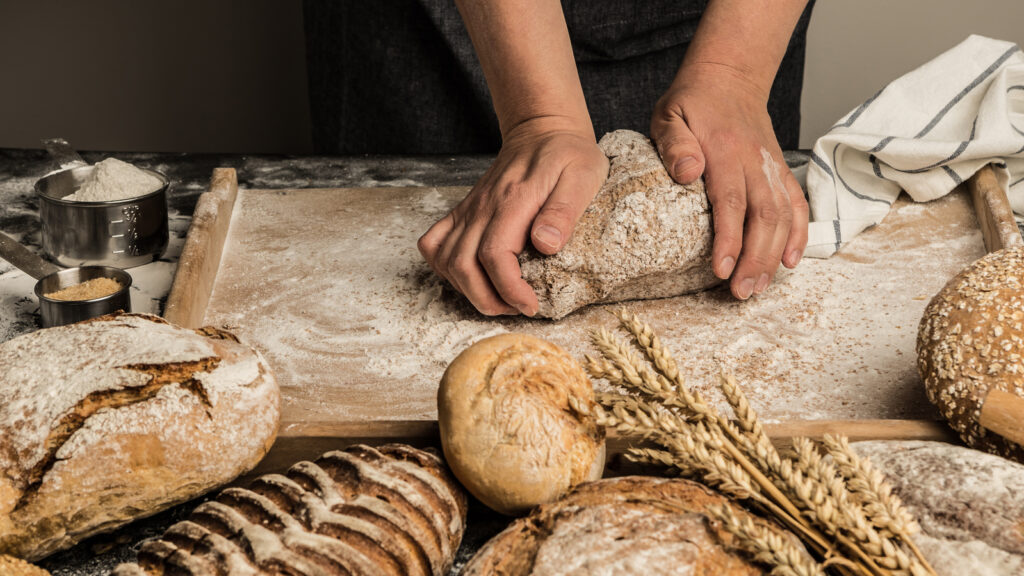
At its most basic, bread is made from just three ingredients: flour, yeast, and water. While it sounds simple, baking bread can be challenging for beginners, requiring practice to perfect. For pioneers and past generations, however, it was a vital skill, mastered out of necessity to ensure a steady food supply. Bread-making was more than just a household task; it was a means of survival, providing families with a staple food made from basic, accessible ingredients. Relearning this craft can connect you with a time-honored tradition of self-reliance and the simple pleasure of homemade bread.
How to Make White Bread in a Bread Maker
Canning and Food Preservation

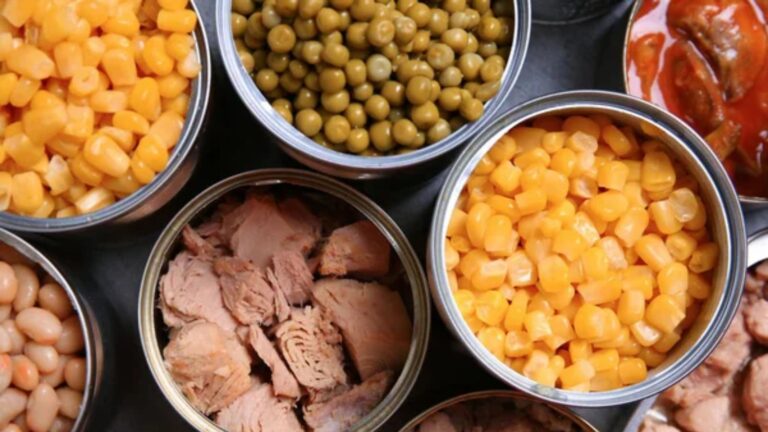
Canning food is crucial for creating a dependable and long-lasting food supply. Past generations were masters of this technique, using it to preserve their harvests and ensure they had enough to eat during tough seasons. By canning fruits, vegetables, and even meats, they could extend the life of their food for months or even years. In times of scarcity, there’s no greater comfort than seeing pantry shelves lined with jars of home-canned goods, providing both sustenance and peace of mind.
Bartering

The power of community is invaluable when it comes to frugal prepping. By bartering goods and services with nearby families, you can strengthen your local network and reduce costs. Exchange surplus vegetables, eggs,
Beekeeping

Beekeeping was once a valuable skill that provided families with honey,
Raise bees that are good for you and good for the world! Make a plan by reading up on how to get started with beekeeping.
Cooking Without Modern Equipment

Cooking delicious meals and baked goods without the help of digital breadmakers, air fryers, or electric cookers is an art. Past generations relied on time-tested techniques, such as cooking with a Dutch oven or over an open fire. Mastering these traditional methods allowed them to prepare hearty meals using simple tools and ingredients regardless of circumstances.
Cooking From Scratch

They knew just how to prepare meals from scratch, reducing your reliance on processed pre-prepared foods.
How to Dehydrate Foods

Dehydrating fruits, vegetables, and herbs helps to preserve them for long periods, ensuring that seasonal foods are available all year round. Dehydration was a primary method of food preservation before refrigeration was available because dried foods are lightweight and have a long shelf life.
16 Perfectly Delicious Dehydrator Snacks You Have to Try
Raise Livestock

Keeping chickens or other livestock provides a reliable source of fresh eggs, meat, or dairy products, ensuring you always have access to nutritious food. Meat chickens, in particular, can offer a steady supply of protein for your family.
Butchering

If you’re hunting or raising your own livestock, learning proper butchering techniques is important. Butchering an animal the right way ensures that you maximize the use of the meat while minimizing waste. It also helps prevent potential health risks by ensuring the meat is processed safely and cleanly. Mastering this skill allows you to take full control of your food supply, reducing reliance on store-bought meat and making the most of your efforts in hunting or raising livestock.
Make Dairy Products

When dairy products are scarce, skills like making cheese, yogurt, and butter from milk are invaluable. Many dairy products can be made from fresh milk stored in the freezer. Previous generations knew how to make these dairy products.
How to Make Homemade Yogurt in an Instant Pot
Natural First Aid

Previous generations relied on natural first aid and herbal remedies. They had extensive knowledge of plants and herbs to treat various injuries. Natural techniques can be valuable in emergencies and are important survival skills.
Basic First Aid Skills

Learn basic first aid skills to handle minor injuries and illnesses. Being able to provide initial medical care can increase self-sufficiency, especially in situations where immediate access to professional medical help may be limited.
Preserve Meat

Smoking and curing meat were essential skills likely mastered. These preservation methods allowed them to make the most of available resources, ensuring that nothing went to waste and helping them extend their food supply during lean times.
Knowledge of Physical Maps

Before GPS existed, there were physical maps. You would have to know how to read a map and navigate where you are going using landmarks, memory, or even asking a stranger for directions. This shift highlights how much time has changed, but knowing how to read a map is still useful.
Make Pasta

During food shortages, your stocks of dried pasta won’t last forever, and fresh pasta could be on the menu sooner than you think. Fresh pasta requires minimal equipment and is made from just two basic ingredients: flour mixed with eggs or water.
30 Pretty Vegetarian Pasta Recipes
How to Start Canning at Home

Canning the food you harvest is an excellent way to boost your self-reliance. Canning is one method for preserving food from the garden season to the last year-round. If you are new to canning, this article will help you learn about the methods, resources, and equipment you will need to start canning at home.
9 All-Natural Cleaning Products You Can Make at Home

Commercial cleaners are often filled with harsh chemicals and mysterious ingredients. By making your own all-natural cleaner at home, you can rely on safe, eco-friendly ingredients that you likely already have on hand. Check out these easy homemade recipes for window cleaner, laundry detergent, and so much more.
9 All-Natural Cleaning Products You Can Make at Home
23 Lost Homemaking Skills That Deserve a Comeback

Many traditional homemaking skills have faded from everyday life, though they were once essential for running a household. Here are 23 forgotten homemaking skills that deserve to make a comeback.