Social media has been filled with speculation about potential nationwide blackouts, power grid disruptions, and Americans being left without electricity for extended periods. Much of the conversation has left people wondering whether they should be stockpiling food, water, and other emergency supplies.
While there’s no credible evidence that a nationwide blackout is imminent, the Federal Emergency Management Agency (FEMA) has been encouraging Americans to take emergency preparedness more seriously.
Its message, however, is considerably less dramatic than what many people are seeing online. Rather than preparing for unsubstantiated doomsday scenarios, households should focus on practical steps to navigate real emergencies.

There’s No Evidence of an Imminent Nationwide Blackout
Much of the recent speculation surrounding a nationwide blackout has been linked to FEMA’s November 17 Emergency Alert System test and a military initiative known as FORTRESS America.
However, there is no evidence to support claims that the United States is facing an imminent 90-day blackout. The military initiative is intended to improve military installations’ ability to operate independently of civilian power grids during emergencies. It is not an announcement of a planned nationwide power shutdown.
Meanwhile, FEMA’s scheduled alert test is part of a routine, federally mandated effort to ensure emergency communication systems are functioning properly.
FEMA Has Been Encouraging Americans to Prepare for Real Emergencies
Long before the recent blackout rumors gained traction, FEMA launched its 2026 National Preparedness Month campaign under the theme “Americans Stand Ready.”
In its announcement, the agency encouraged Americans to take greater responsibility for their household’s preparedness through affordable and practical measures.
“When Americans take steps to prepare for disasters and keep their families safe, every neighborhood and community is more resilient,” FEMA Administrator Cameron Hamilton said.
The campaign focuses on three key areas: developing a household emergency plan, staying informed through reliable emergency alerts, and assembling supplies that can help families manage until assistance becomes available.
The Emergencies Worth Preparing for Are Often Closer to Home
While the idea of a nationwide blackout may dominate social media conversations, many more familiar emergencies can disrupt everyday life.
Winter storms, hurricanes, wildfires, flooding, localized power outages, and interruptions to running water can leave households without access to essential services.
Think about the risks that are most relevant to where you live. A household in an area prone to wildfires may need to prioritize an evacuation plan, while someone living in a region that experiences harsh winters may need to focus more on staying warm without electricity.
Preparing for these realistic scenarios can be far more useful than trying to anticipate every possible catastrophe.
You May Already Own Many of the Supplies You Need
One encouraging aspect of FEMA’s guidance is that emergency preparedness doesn’t have to involve buying expensive survival equipment or making a massive grocery haul.
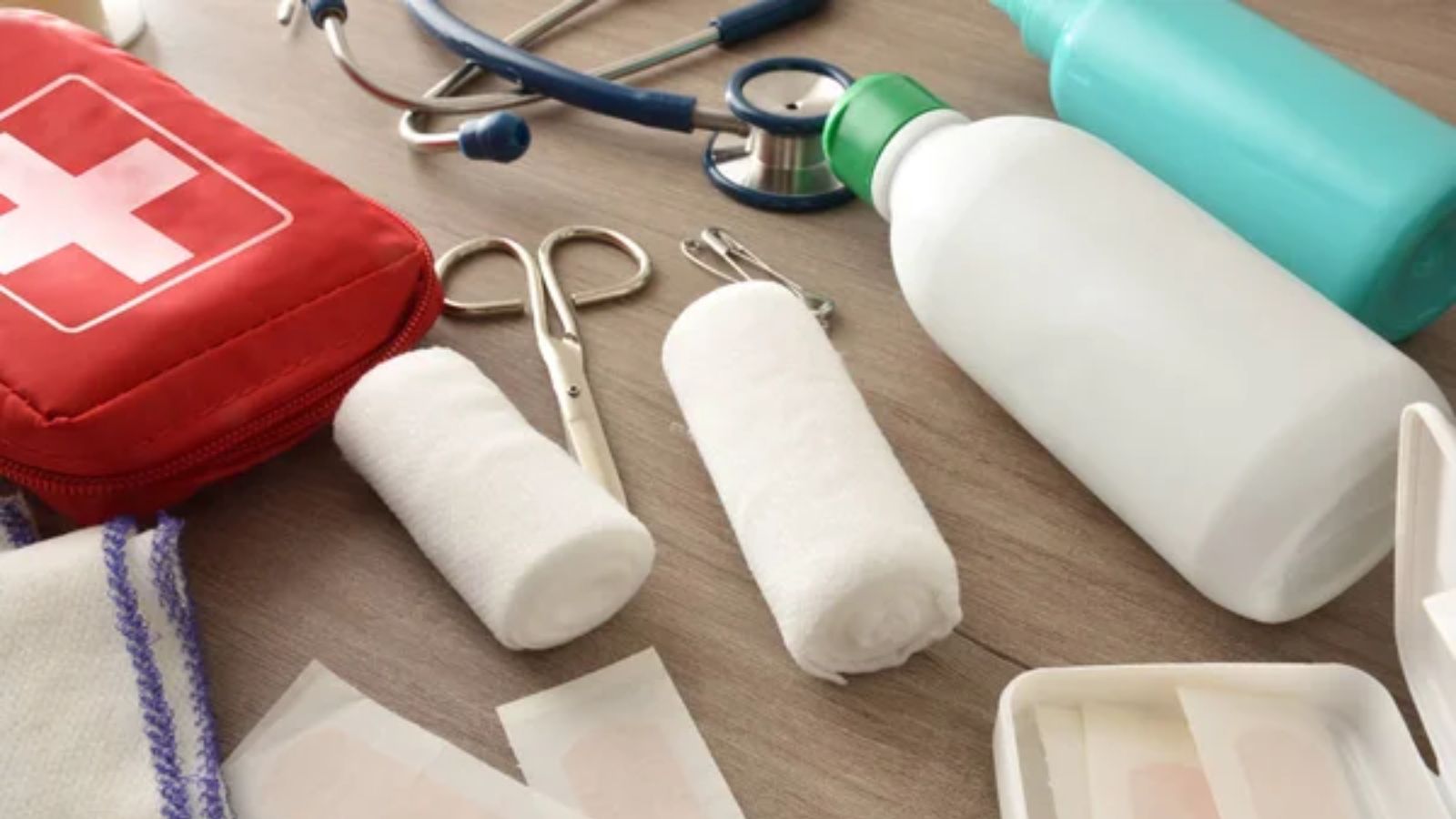
Many households already have canned food, blankets, flashlights, first-aid supplies, spare batteries, and other useful items scattered throughout their homes.
Start by gathering what you already own, checking that everything works, and identifying what’s missing. Picking up a few additional pantry staples or household essentials each week can gradually help you build a useful emergency supply without putting unnecessary pressure on your budget.
Being Prepared Goes Beyond Stockpiling Food
Having a cupboard full of canned goods is helpful, but it doesn’t necessarily mean your household is prepared for an emergency.
Would everyone in your family know how to get in touch if cellphone service stopped working? Do you know where to go if you suddenly need to evacuate? What would happen if someone in your household needed medication or medical equipment that relies on electricity?
FEMA’s preparedness recommendations also encourage households to consider their individual needs, account for pets, identify evacuation routes, and establish a reliable way to receive emergency information.
These are preparations that require more planning than spending.
There’s a Difference Between Preparing and Panic Buying
You don’t need to believe that a nationwide blackout is coming to recognize the value of having extra food, water, cash, and emergency supplies at home.
Power outages happen. Severe weather happens. Water service gets interrupted, and sometimes circumstances prevent us from getting to the grocery store or pharmacy.
Rather than allowing every alarming social media post to send you into a panic, use it as an opportunity to evaluate how prepared your household actually is.
The goal of emergency preparedness should be to give yourself greater peace of mind, not another reason to worry.