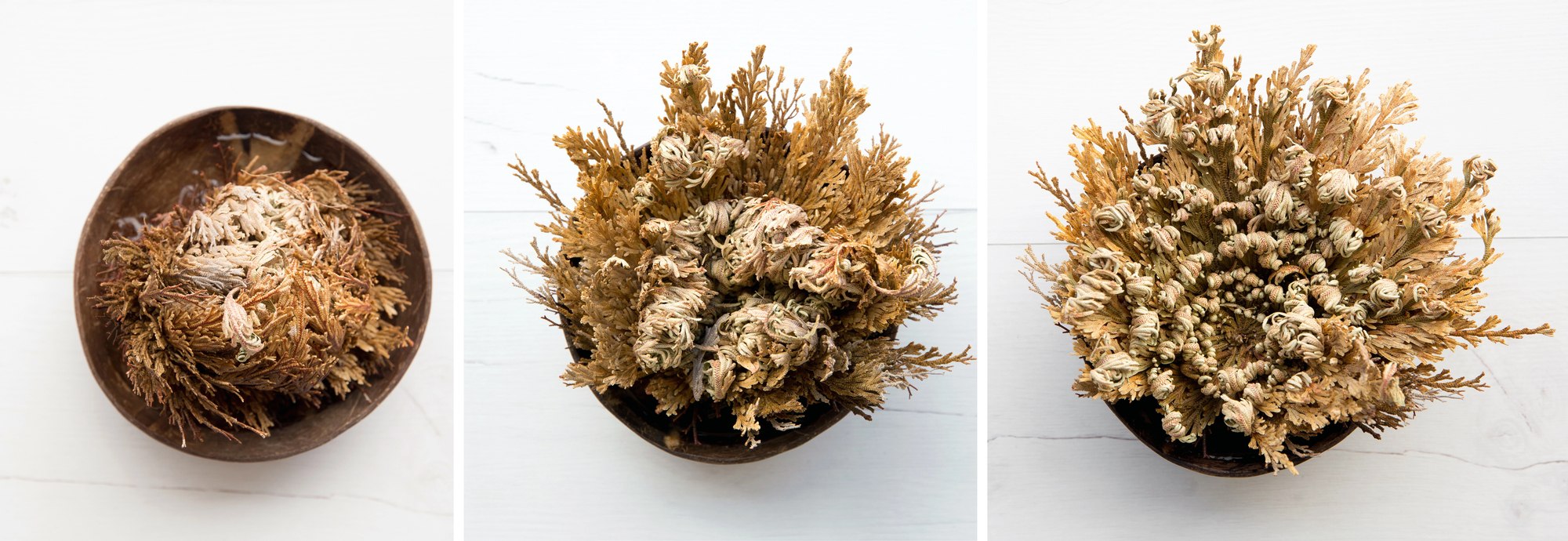
At first glance, the Rose of Jericho looks like a dried-up ball of leaves ready for the compost pile. But place it in a shallow dish of water, and within hours, its tightly curled branches begin to unfold.
Commonly known as the resurrection plant, the Rose of Jericho is remarkable for its ability to survive extended periods without water. Unlike traditional houseplants, it can withstand extreme dehydration and requires relatively little maintenance.
Here’s what you need to know about growing and caring for this unusual plant.
What Is a Rose of Jericho?
The Rose of Jericho is a desert plant known for its ability to withstand extremely dry conditions. During periods without water, its branches curl inward, forming a compact, brown ball. When moisture returns, the branches gradually unfold.
This natural survival mechanism allows resurrection plants to endure long periods of drought, making them a fascinating addition to any houseplant collection.
Types of Rose of Jericho
Two different plants are commonly sold under the name Rose of Jericho. Although they share similar characteristics, they behave differently when exposed to water.
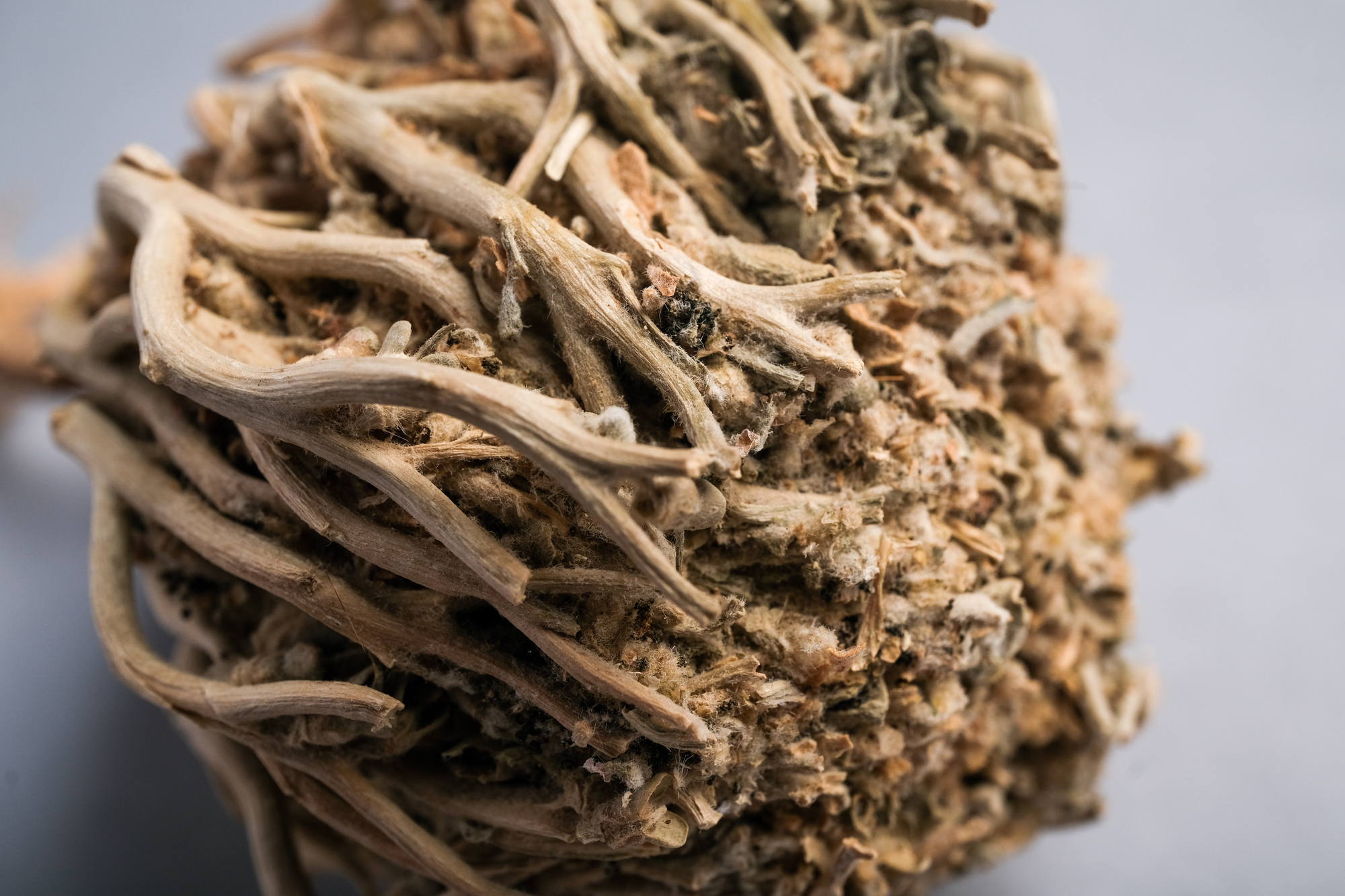
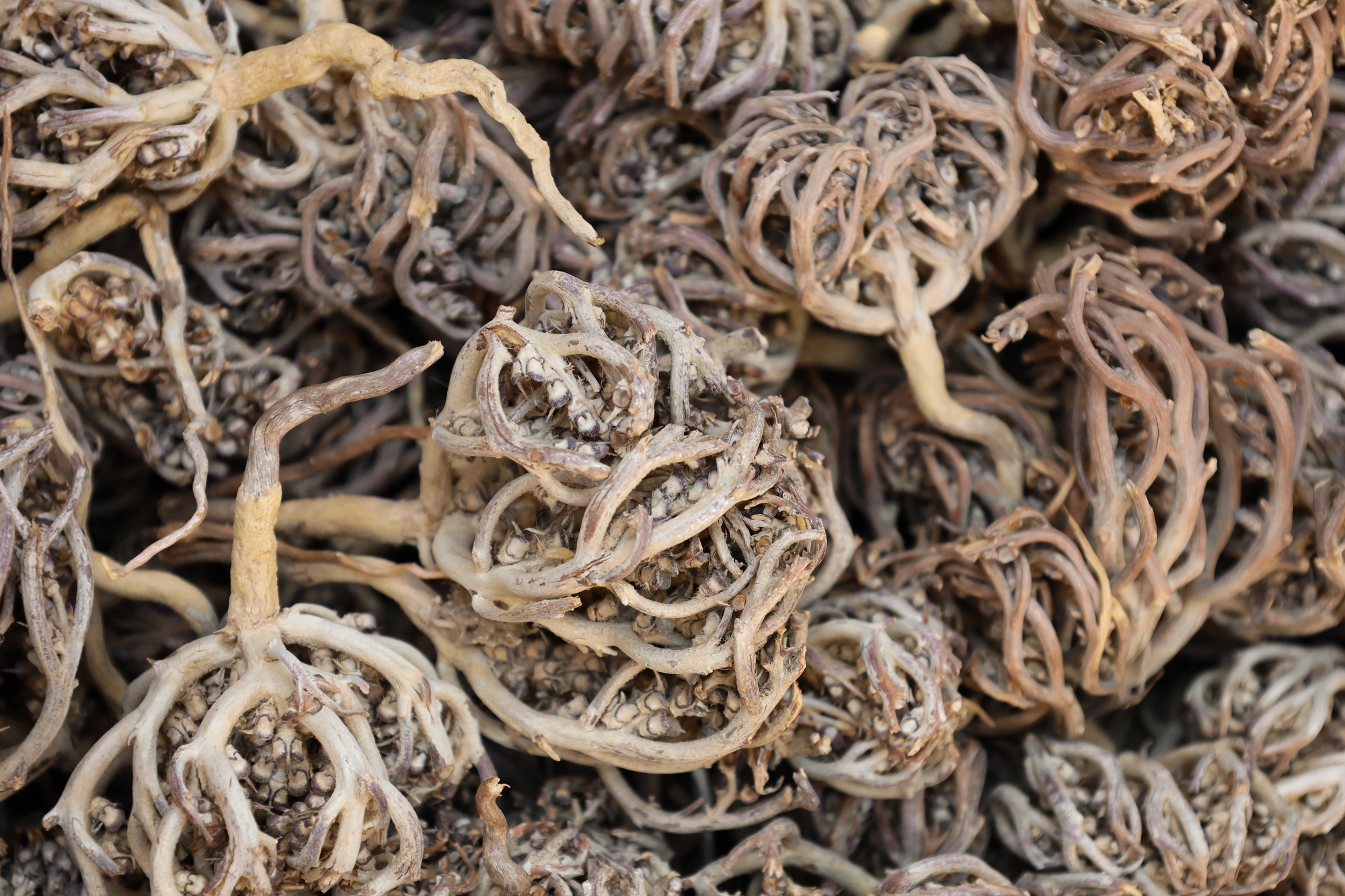
True Rose of Jericho (Anastatica hierochuntica): Native to North Africa and the Middle East, this desert plant curls inward as it dries, protecting the seeds inside. When exposed to water, its dried branches open to release seeds, but the original plant does not return to active growth.
False Rose of Jericho (Selaginella lepidophylla): Native to Mexico and the southwestern United States, this is the variety most commonly sold as a resurrection houseplant. Living specimens have delicate, fern-like foliage that can turn green again after rehydration.
How to Care for a Rose of Jericho
The false Rose of Jericho is relatively easy to maintain, as long as you understand its natural wet-and-dry cycles.
Light
Place your plant somewhere with bright, indirect sunlight. A windowsill or table near a sunny window works well, but avoid prolonged exposure to intense direct sunlight.
Water
Place the plant in a shallow dish of room-temperature water, allowing only its base to touch the water. Change the water daily to prevent bacterial growth, and periodically let the plant dry completely to avoid mold and rot.
Soil
A Rose of Jericho can be displayed without soil. However, if you’re growing a living, rooted specimen, use a well-draining potting mix containing coarse sand, perlite, or pumice.
Temperature and Humidity
Average household temperatures between 65°F and 80°F are generally suitable. Keep the plant away from cold drafts, heating vents, and excessively humid environments.
Fertilizer
Resurrection plants displayed in water generally don’t require fertilizer. Living specimens grown in soil may benefit from an occasional application of diluted houseplant fertilizer during active growth.
How to Revive a Rose of Jericho
Bringing a dried Rose of Jericho out of dormancy is simple.
- Fill a shallow bowl with room-temperature water.
- Add small pebbles to help keep the foliage above the water.
- Place the plant in the bowl with its base touching the water.
- Set it in a spot with bright, indirect light.
- Allow 24 to 48 hours for the branches to fully unfold.
- Change the water daily, and periodically let the plant dry completely.
Keep in mind that not every dried resurrection plant will turn green. Some commercially available specimens are no longer alive but can still open and close in response to moisture.
How to Propagate a Rose of Jericho
A healthy, actively growing false Rose of Jericho may be propagated through stem cuttings or division. Place a healthy section of the plant in a moist, well-draining growing medium and provide bright, indirect light.
Propagation can be difficult with dried specimens purchased as novelty plants, especially those without healthy roots. The true Rose of Jericho reproduces through seeds, while the false variety naturally reproduces through spores.
Common Problems With Rose of Jericho
Although resurrection plants are resilient, improper care can cause a few problems.
- The plant won’t open: Give it up to 48 hours after adding water. If it remains tightly curled, the specimen may be damaged or deteriorated.
- The leaves won’t turn green: Some dried specimens are no longer alive, while the true Rose of Jericho naturally remains brown after opening.
- Mold or unpleasant odors: These are often caused by stagnant water, excessive moisture, or poor airflow. Clean the container and allow the plant to dry thoroughly.
- Black spots: Dark patches may indicate tissue damage, excessive moisture, or disease. Reduce watering, improve airflow, and remove decaying foliage.
- Pests: Living specimens can occasionally attract spider mites, mealybugs, and scale insects. Inspect the foliage regularly and isolate affected plants.
Frequently Asked Questions
Can You Keep a Rose of Jericho in Water All the Time?
No. Leaving the plant in standing water continuously can encourage mold and rot. Allow it to dry completely between hydration cycles.
How Long Does It Take for a Rose of Jericho to Open?
The branches can begin unfolding within a couple of hours, although full expansion may take 24 to 48 hours.
Does the Rose of Jericho Need Soil?
No, dried resurrection plants can be displayed in a shallow dish without soil. However, growing a living, rooted specimen long-term is different from simply rehydrating a dried plant.
Is the Rose of Jericho Immortal?
Despite its nickname, the resurrection plant can still die. Excessive moisture, disease, physical damage, and unsuitable growing conditions can eventually prevent it from recovering.
What Does the Rose of Jericho Symbolize?
Because of its remarkable ability to unfold after appearing completely dried out, the Rose of Jericho is often associated with hope, renewal, resilience, and new beginnings.