It’s easy to hold onto things because you think you’ll need them someday. Maybe it was a gift, a bargain you couldn’t pass up, or something you bought for a project that never got off the ground.
Before you know it, those items have been sitting in drawers, closets, and cabinets for years. They take up room, collect dust, and often get forgotten until you need something.
If your home is starting to feel crowded, you don’t have to tackle every room at once. Start by looking at the things you haven’t used in a long time, and see which ones you’re ready to part with.
Here are 12 common belongings that may be taking up more space than they’re worth.
Old Cell Phones
If you still have a drawer full of old phones, ask yourself whether you have a real reason to keep them. Phones you’ve replaced or no longer use can often be sold, donated, or taken to an electronics recycling center.
Before getting rid of one, remove your SIM card and erase your personal information. Check with local retailers or recycling programs to find out where you can drop off old devices.
Damaged Appliances
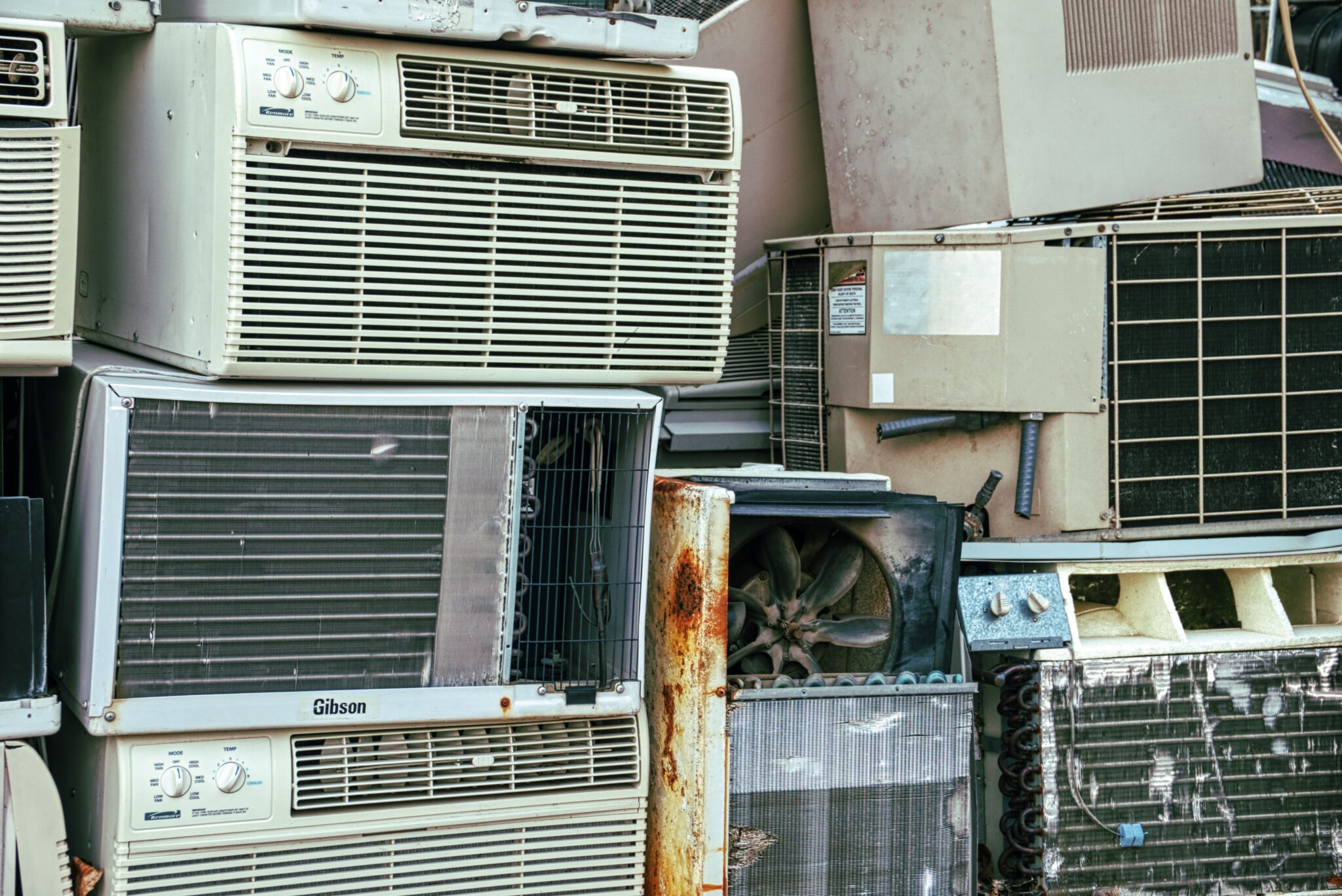
That broken toaster, coffee maker, or blender you’ve been meaning to repair may have been sitting in a cabinet or garage for months. If you haven’t made plans to fix it and don’t think you ever will, it’s probably time to clear it out.
Check whether your local recycling center accepts small appliances or offers a collection service. You’ll also get some useful storage space back in your kitchen.
Old Power Cords
Most households have a box or drawer filled with cables that nobody can identify. Some belong to devices you’ve replaced, while others have been sitting around so long that you can’t remember what they were used for.
Keep the cords that match devices you still own and get rid of the rest through an electronics recycling program. If you’re unsure about a cable, check its label or connector before deciding whether it’s worth keeping.
Memorabilia
Old greeting cards, concert tickets, postcards, travel tickets, and souvenirs can be hard to part with because each one brings back a memory. Still, you don’t have to keep every piece of paper or small keepsake from every event or trip.
Choose the items that mean the most to you and let go of the duplicates or things you’ve forgotten about. You can also photograph or scan meaningful paper keepsakes if you’d like to save the memory without keeping the physical item.
Expired Medicine
Medicine cabinets often become storage spots for old prescriptions, vitamins, pain relievers, and other products that nobody uses anymore. Check the dates and separate anything expired or no longer needed.
Don’t flush or throw away medication without checking the disposal instructions, since some medicines require special handling. The FDA provides guidance on safe disposal and information about drug take-back locations.
And while you’re sorting through the medicine, take a few minutes to wipe down the shelves and organize what’s left.
Related: Vintage Remedies From Grandma’s Medicine Cabinet Worth Preserving
Damaged Clothing
Most closets have a few pieces that are too worn to wear but somehow never make it into the donation pile. Shirts with permanent stains, socks with holes, and pants with tears can sit in drawers for years.
If you know you won’t repair or reuse an item, there’s little reason to keep storing it. Set aside wearable clothes for donation, look into textile recycling for damaged pieces, and keep only those with real sentimental value.
Clothes That No Longer Fit
It’s easy to keep clothes because you hope they’ll fit again someday or think you might wear them for a special occasion. But if certain pieces have been sitting untouched for years, they’re taking up room that could go to clothes you enjoy wearing now.
Sort through your wardrobe and set aside anything that no longer fits your life or personal style. Clothes in good condition can be donated, sold, or passed along to someone who might appreciate them.
Free Stuff
Promotional tote bags, branded T-shirts, water bottles, mugs, and keychains can pile up because they’re free and seem too useful to throw away. A few months later, you may find yourself with a closet full of giveaway items you never reach for.
Keep the ones you actually use and pass along or recycle the extras where possible. Holding onto something you don’t want doesn’t save money just because it was free.
Expired Skincare Products
Bathroom cabinets can become crowded with old makeup, lotions, creams, and skincare products you bought but rarely used. Over time, some products may change in smell, color, or texture, and others may be past their recommended period of use.
Check the packaging for expiration dates or the period-after-opening symbol, and discard products that are no longer suitable to use. This is also a good time to check what you already own before buying another bottle or jar.
Unused Gym Membership
A gym membership won’t take up room in your closet, but an account you rarely use can keep charging you every month. If you haven’t visited in ages and don’t see yourself going regularly, canceling it could save you money.
You can still exercise by walking, cycling, doing home workouts, or enjoying outdoor activities without paying a monthly fee. Don’t keep spending money on a membership just because you feel bad about letting it go.
Hotel Samples
Those little bottles of hotel shampoo, conditioner, lotion, and other toiletries are easy to bring home because they take up so little room. Before long, though, you might find an entire drawer filled with samples from trips you barely remember.
Keep a few if you travel often and actually use them, but there’s no need to save dozens. Check older products for changes in smell or appearance before deciding whether to use or discard them.
Empty Boxes
Online orders and deliveries can leave you with a growing stack of cardboard boxes in the garage, closet, or spare room. Saving a few sturdy ones makes sense if you’re planning a move or regularly ship packages, but keeping every box just in case can eat up a lot of space.
Flatten the boxes you no longer need and recycle them according to your local guidelines. Your storage area will feel much less crowded once that stack is gone.
You don’t have to get rid of everything to make your home feel less cluttered. Start with a few items you haven’t used in years, and give yourself permission to let go of things that no longer have a place in your daily life.