Our grandparents grew up knowing how to do things that many of us wouldn’t know where to begin with today. From growing their own food and preserving the harvest to repairing broken household items and making do with what they had, they relied on these everyday skills.
Today, it’s much easier to buy something new, order takeout, or call someone to fix a problem. But that convenience has also meant that many practical skills once passed down from generation to generation are slowly being forgotten.
The interesting thing is that many of these old-fashioned skills are still useful. They can help you save money, become more self-sufficient, and handle unexpected situations without relying on modern conveniences. Here are 15 things our grandparents knew how to do that are worth learning again.
1. Starting a Fire Without a Lighter
Starting a fire sounds simple until you’re outdoors with damp wood and nothing to light it with. Learning to find suitable tinder, prepare dry kindling, and arrange fuel so a flame can catch takes practice.
Matches and lighters are useful, but it’s also worth learning how to use a ferro rod or magnesium fire starter. For a more traditional challenge, try friction methods such as the bow drill or hand drill, which require patience and repeated practice.
Related: 12 Important Survival Skills Every Child Should Have
2. Building a Simple Shelter
A shelter doesn’t need to be complicated to offer protection from wind, rain, sun, and cold. Learn to build basic structures such as a lean-to or debris shelter using materials found in the surrounding area.
The right design depends on the weather, terrain, and available materials. Practice in a safe location before you need the skill, since building a shelter while cold, wet, or exhausted is much harder than doing it on a pleasant afternoon.
3. Identifying Edible Wild Plants
Wild plants can provide food, but knowing which ones are safe takes careful study. Learn to identify edible plants, berries, nuts, and other wild foods that grow in your region, paying close attention to poisonous lookalikes.
A local foraging class and a reliable field guide are safer starting points than trying to identify plants from online pictures. Learn a small number of plants thoroughly before moving on to others.
Related: 14 Practical Survival Skills You Can Learn Without Leaving Home
4. Hunting and Trapping
Hunting involves much more than carrying a firearm into the woods. It includes tracking animals, recognizing signs, following local regulations, field dressing game, and handling meat safely.
Trapping also requires knowledge of animal behavior and local laws. Anyone interested in these skills should learn from experienced instructors or a reputable hunting organization, with safe handling and ethical practices taking priority.
5. Finding Your Way Without GPS
GPS makes getting around easier, but a phone can become useless when its battery runs out, or there’s no reception. Learning to read a paper map and use a compass can help you find direction, estimate distances, and recognize landmarks.
You can also study traditional ways to estimate direction using the sun and other natural clues. These methods aren’t as precise as a compass, but knowing more than one way to orient yourself can be useful outdoors.
Related: 15 Home Skills Every Child Should Learn Before Growing Up
6. Learning About Medicinal Plants
People have used plants for food, comfort, and traditional remedies for thousands of years. Some of that knowledge remains useful, but it’s important to know which plants have a history of traditional use and which ones are toxic.
A reputable herbal reference book or class can help you learn the difference between established information and old remedies that may be unsafe. Plant-based remedies should never replace professional medical care, especially for serious injuries or illness.
7. Fishing for Food
Fishing is an old skill that can provide food without requiring much equipment. Start by learning which fish live in nearby lakes, rivers, or coastal waters and what they typically eat.
Different fish respond to different bait, hooks, and fishing methods. Practice tying knots and putting together simple rigs so you can repair a line or replace a damaged hook when needed.
8. Reading Animal Tracks
Footprints and other animal signs can tell you which creatures have passed through an area. Learn to recognize tracks, droppings, feeding marks, broken vegetation, and other clues.
Tracking takes time, so start by studying prints in mud, sand, or snow, where details are easier to see. With practice, you may be able to work out which direction an animal or person traveled.
9. Preserving Food Without Refrigeration
Before refrigerators and freezers became common, people had to find ways to keep food edible for weeks or months. Smoking, drying, salting, and fermenting are traditional methods that can still help reduce waste and make a harvest last longer.
Each preservation method has its own safety requirements, so don’t guess at measurements, temperatures, or storage times. Follow tested instructions for each type of food, especially meat and other items that spoil easily.
10. Growing Your Own Food
Planting a few vegetables is fairly straightforward, but growing enough food to make a real difference takes planning. Learn how to prepare soil, follow your local planting calendar, manage pests, save suitable seeds, and harvest crops without damaging future growth.
Saving seeds can help gardeners grow certain varieties year after year. Start with crops known to produce seeds that are suitable for saving.
11. Raising Livestock
Caring for animals involves much more than putting out food and water. People raising chickens, goats, rabbits, or other livestock need to learn about shelter, fencing, feeding, cleanliness, breeding, and basic health care.
Each species has its own needs, so study the animal before bringing it home. Beginners may find it easier to start with a small number of animals and learn the daily routine before taking on more.
12. Making Cordage From Natural Materials
People once made rope and cord from materials gathered outdoors, including plant fibers, bark, and grasses. They could twist or braid these materials into strong lengths for tying, fastening, and other everyday tasks.
Learning basic cordage techniques gives you another way to make ties, lashings, handles, and useful household items without buying rope. Practice with natural fibers or scrap materials before gathering and processing wild plants.
13. Tanning Animal Hides
Tanning turns animal hides into leather you can store and use for many purposes. The process prevents the hide from decomposing and makes it flexible enough to work with.
Traditional tanning can involve cleaning, scraping, treating, stretching, and drying the hide. It takes practice, and mistakes can leave the leather stiff, brittle, or damaged, but learning the process shows how people once made clothing, containers, coverings, and household goods from available materials.
14. Finding and Treating Water
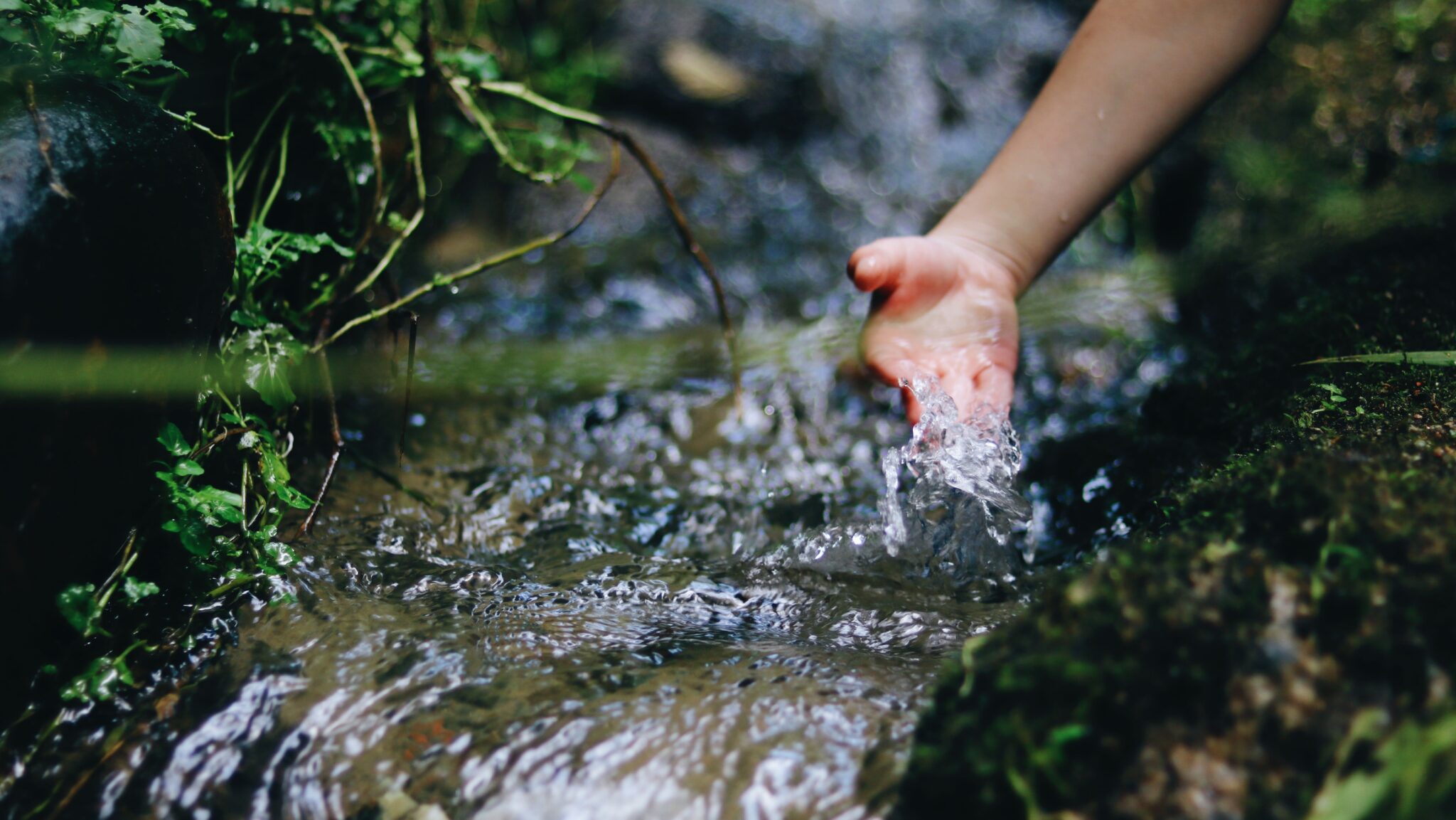
It’s easy to take running water for granted until the tap stops working. Learning to recognize possible natural water sources means paying attention to the terrain, vegetation, animal activity, and other signs that may point toward water.
Finding a stream or spring doesn’t mean the water is safe to drink. Natural water can contain harmful microorganisms and contaminants, so learn reliable filtration and disinfection methods before drinking it.
15. Predicting Weather From Natural Signs
Weather forecasts are useful, but recognizing changing conditions can help when you’re outdoors or without a phone. Watch cloud formations, wind direction, temperature, humidity, and other signs that may point to approaching weather.
Sudden wind changes or clouds building quickly can signal worsening conditions. Animal behavior may offer occasional clues, but it isn’t a dependable substitute for a weather forecast.