You might have extra water stored, a few emergency supplies, and a plan for what to do if the power goes out. But getting the rest of your family to take emergency preparedness seriously can be another story.
For some people, the word prepping brings to mind underground bunkers, food stockpiles, and worst-case scenarios. They might think you’re worrying too much or preparing for something that will never happen.
But prepping doesn’t have to be extreme, expensive, or frightening. It’s really about making sure your family can handle unexpected situations, whether that’s a winter storm, a prolonged power outage, or an emergency that requires leaving home quickly.
If your family isn’t interested, the best approach isn’t to convince them that something terrible is coming. It’s to show them how a little preparation can make everyday life easier and help everyone feel more confident.
Start With Emergencies They’ve Already Experienced
Instead of talking about disasters that might happen someday, bring up something your family has already dealt with. Maybe the electricity went out during a storm, someone got stranded on the highway, or the grocery stores were nearly empty before bad weather.
Ask what would have made that situation easier. Sometimes a simple conversation about having extra batteries, drinking water, or a backup phone charger is enough to get someone thinking about being better prepared.
Related: 15 Power Outage Lessons That Could Change How You Prepare
Don’t Make Prepping Sound Complicated
You don’t need to introduce your family to survival terminology or explain every possible emergency scenario. Words like emergency supplies, backup plans, and being ready for a power outage are much easier for most people to relate to.
Keep the conversation focused on things they already understand. A working flashlight or knowing where to meet during an evacuation is something almost everyone can appreciate.
Find Something That Matters to Them
Not everyone cares about emergency preparedness for the same reasons. Someone who enjoys camping might be interested in outdoor survival skills, while a parent with young children may be more concerned about having enough food, water, and medication during an emergency.
Think about what matters most to each family member and start there. When preparedness connects to something they already care about, it feels less like another responsibility and more like something useful.
Start With a Few Basic Emergency Supplies
One of the easiest ways to introduce prepping is to start with supplies your family will actually use. A flashlight, first aid kit, portable phone charger, extra batteries, and a few days of drinking water are practical items that don’t require a major investment.
You can build on those supplies gradually instead of buying everything at once. The goal is to make emergency preparedness feel manageable, not like an expensive project you have to finish in a weekend.
Give Practical Gifts That Double as Emergency Supplies
If you’re looking for an easy way to introduce preparedness without making a big announcement, consider giving useful items as gifts. A rechargeable flashlight, roadside emergency kit, weather radio, or portable power bank can come in handy even when there’s no emergency.
These are especially thoughtful gifts for college students, older relatives, new homeowners, and family members who spend a lot of time driving. They’re everyday items that also help someone feel a little more prepared.
Make It a Family Activity
Emergency preparedness doesn’t have to involve sitting around discussing everything that could go wrong. You can turn it into something the family enjoys, like a camping trip, an afternoon learning to build a fire safely, or a weekend spent practicing basic outdoor skills.
Even something as simple as putting together emergency backpacks can become a family project. Let everyone choose a few useful items to include, and explain how those supplies could help if you ever needed them.
Teach Kids Without Frightening Them
Children can learn about emergency preparedness without being exposed to frightening disaster scenarios. Start with age-appropriate basics, such as memorizing a parent’s phone number, knowing where the family meets during an emergency, and understanding when to ask an adult for help.
You can also let younger children help pack a small emergency bag with a flashlight, snacks, and a comfort item. Keep the experience positive and reassuring so they understand that having a plan is a normal part of staying safe.
Introduce Useful Skills Instead of More Supplies
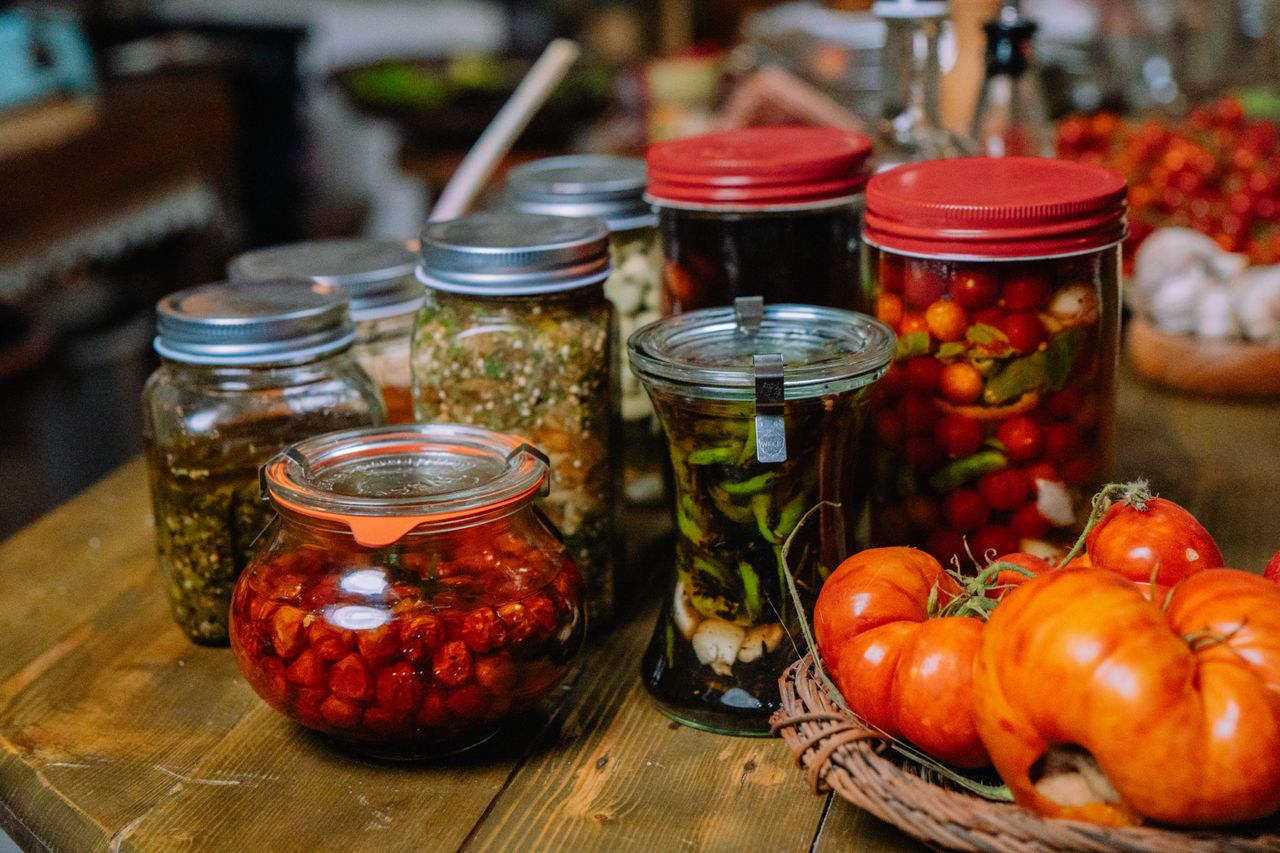
Prepping isn’t only about storing enough food, water, and equipment. Knowing how to cook without electricity, grow vegetables, preserve food safely, navigate without a phone, or handle a minor injury can be just as valuable.
Choose something your family might enjoy learning together, whether that’s gardening, taking a first aid class, or practicing basic camping skills. These activities build confidence and independence without making emergency preparedness the main focus.
Create a Simple Family Emergency Plan
You don’t need a complicated binder filled with instructions to get started. Begin by deciding how everyone will communicate during an emergency, where you’ll meet if you can’t return home, and who will check on relatives who may need extra help.
Write down important phone numbers and keep copies somewhere accessible. The Ready.gov family emergency planning guide offers helpful information for putting together a plan that fits your household.
Show Them How Prepping Can Save Money
One of the easiest ways to make prepping more appealing is to explain how it can benefit your household even when nothing goes wrong. Keeping a well-stocked pantry, buying essentials when they’re on sale, and learning to repair things instead of replacing them can all help reduce everyday expenses.
You don’t need a basement full of canned goods to get started. Simply keeping extra shelf-stable foods your family already eats can help you avoid last-minute shopping trips and provide a small cushion when unexpected expenses arise.
Use Everyday Situations to Explain Why It Matters
You don’t need to bring up extreme disasters to explain the value of being prepared. A broken water main, an unexpected snowstorm, or an overnight power outage can quickly make ordinary household tasks harder.
These situations are easier for people to imagine because they happen in everyday life. Talking about realistic problems and simple solutions is usually more productive than focusing on frightening possibilities.
Respect Family Members Who Aren’t Interested
Some people won’t be interested in prepping no matter how practical you make it sound, and that’s okay. Constantly bringing up emergencies or pushing someone to buy supplies can make them even less willing to participate.
Instead, focus on what you can reasonably prepare for your household and invite others to join when they’re interested. Sometimes seeing how useful your preparations are during a real inconvenience does more than another conversation ever could.
Focus on Peace of Mind, Not Fear
The most important thing your family should understand is that prepping isn’t about expecting something terrible to happen. It’s about knowing you have a few things in place to make an unexpected situation easier to handle.
You don’t have to convince everyone to become a dedicated prepper. If your family knows where the emergency supplies are, has a basic plan, and understands a few useful skills, you’ve already made meaningful progress.