When you hear the word prepper, you might picture someone with an underground bunker, years’ worth of canned food, and enough survival gear to last through just about anything.
But that’s not necessarily what prepping looks like anymore. More everyday women, including working moms and professionals, are taking an interest in keeping their households prepared for unexpected emergencies.
A recent Daily Mail article highlighted women in Britain who have been stocking up on supplies for years, with some becoming more serious about preparedness after the pandemic. Their concerns range from natural disasters and power outages to supply shortages and larger global conflicts.
And while preparing for World War III might sound extreme, many of the things worth keeping on hand are surprisingly ordinary. We’re talking about groceries, medications, household supplies, and other essentials that can make a big difference when you can’t easily get to the store.
Whether it’s a winter storm, an extended power outage, or another unexpected emergency, here are some of the things worth keeping stocked at home.
Drinking Water
Water is one of the first things to think about when preparing for an emergency. If a storm damages local infrastructure or your water supply becomes unsafe, having bottled water or properly stored drinking water can save you from scrambling to find it.
A good starting point is one gallon of water per person per day for at least three days, although having a two-week supply is even better when possible. Don’t forget pets and anyone who may need extra water.
Canned Foods and Pantry Staples
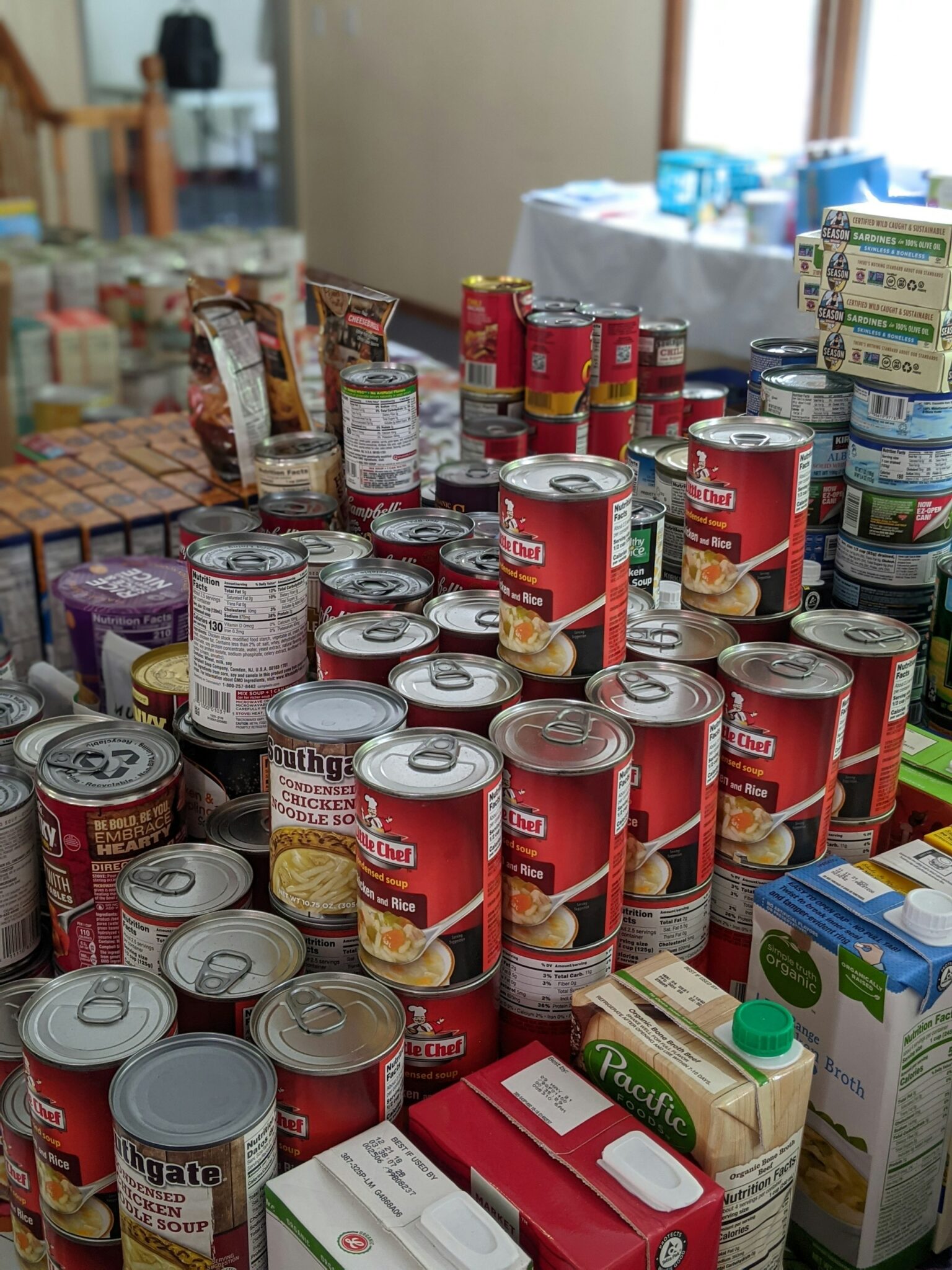
You don’t need a basement full of canned goods to have a well-stocked emergency pantry. A few extra cans of beans, vegetables, soup, tuna, and other foods your family already eats can go a long way.
Also keep rice, pasta, oats, peanut butter, and other shelf-stable foods on hand. The trick is to buy things you’ll actually use and rotate them regularly so nothing sits forgotten until it expires.
A Manual Can Opener
Having plenty of canned food won’t do much good if your only can opener requires electricity. A basic manual can opener is inexpensive, takes up very little space, and can be useful during a power outage. It’s worth keeping one in your kitchen or emergency supply kit.
Prescription Medications and First-Aid Supplies
Running out of medication is the last thing you want to worry about during a major storm or another emergency. Keeping prescriptions current and asking your pharmacist about an appropriate backup supply can help you avoid unnecessary problems.
Also check your first-aid kit for bandages, antiseptic wipes, a thermometer, and other basic medical supplies. If you have children, make sure you have age-appropriate medications and anything else your family regularly needs.
Toilet Paper and Personal Hygiene Products
If there’s one thing the pandemic taught many households, it’s how quickly everyday products can disappear from store shelves. People tend to notice when they run out of toilet paper, soap, toothpaste, feminine hygiene products, and diapers.
Keeping a reasonable backup supply can make life easier during unexpected shortages or when you can’t leave home. You don’t need to buy everything in bulk, but an extra package or two of the products you use regularly can help.
Related: 12 Hygiene Supplies That Belong in Every Emergency Stockpile
Flashlights, Batteries, and Portable Chargers
Power outages are one of the most common emergencies households face, especially during severe weather. Reliable lighting and a way to charge your phone can make a big difference when the power goes out.
Keep flashlights, spare batteries, and fully charged power banks somewhere easy to find. Battery-powered lanterns are also useful because they can light up an entire room without relying on candles.
Cash in Small Bills
Most of us are used to paying for everything with a debit card, credit card, or phone. But during a widespread power outage or internet disruption, some businesses may not be able to process electronic payments.
Keeping a small amount of emergency cash in a secure place can help if you need to buy gas, groceries, or other necessities. Smaller bills are especially useful when stores have limited change.
A Battery-Powered or Hand-Crank Radio
When the power goes out, it’s easy to assume you’ll still get updates on your phone. But cellular networks can become overloaded, and internet service isn’t always reliable during major emergencies.
A battery-powered or hand-crank radio gives you another way to receive weather alerts and important information. Look for one that can receive NOAA weather broadcasts if you live in the United States.
Pet Food and Supplies
Pets are part of the household, but their needs can easily get overlooked when putting together emergency supplies. If you have a dog, cat, or other animal, keep extra food, water, medications, and basic supplies on hand.
Think about the things your pet uses every day, including litter, leashes, carriers, and feeding bowls. Keeping these items together can also make it easier to leave quickly if an evacuation becomes necessary.
Baby and Children’s Essentials
Families with young children have a few extra things to consider when preparing for emergencies. Keep diapers, wipes, formula, shelf-stable snacks, and any necessary medications stocked.
It’s also helpful to have a few books, games, or other activities available if your family ends up spending several days at home without power. Sometimes keeping the kids occupied can make a stressful situation a little easier for everyone.
Cleaning and Sanitation Supplies
Keeping your home clean can be harder when water or electricity is limited. Keep trash bags, disinfecting supplies, paper towels, hand sanitizer, and disposable gloves on hand.
It’s also worth keeping basic household cleaning products on hand instead of waiting until you’re completely out. Store them safely, especially if you have children or pets.
Blankets and Warm Clothing
If your heating system stops working during a winter storm, your home can get uncomfortable pretty quickly. Extra blankets, warm socks, thermal clothing, and sleeping bags can help everyone stay warm while you arrange a safe, heated location if needed.
Keep these items somewhere dry and accessible. Never use an outdoor grill, camping stove, or gas oven to heat your home, since doing so can cause dangerous carbon monoxide exposure.
Backup Food Preparation Supplies
If you rely on an electric stove, a power outage can make preparing meals difficult. Keeping ready-to-eat foods that don’t require cooking is one of the simplest ways to prepare for this situation.
Some households also keep an outdoor camping stove or grill as a backup cooking option. Use these only outdoors, well away from doors, windows, and vents, and never inside a house, garage, or enclosed porch.
Important Documents and Emergency Contacts
Not everything you need to prepare comes from the grocery store. Copies of identification, insurance information, medical records, and important phone numbers can be extremely helpful if you need to leave home unexpectedly.
Store important papers in a waterproof container, and consider keeping secure digital copies. Also write down emergency contact information in case your phone is lost, damaged, or out of battery.
A Little Extra of the Things You Already Use
Look at what your household goes through in an average week. That might include coffee, laundry detergent, batteries, pet food, canned vegetables, or your family’s favorite pantry staples.
Instead of buying a long list of survival products you’ll probably never use, start by keeping a few extras of the things you already purchase. Over time, you can build a practical emergency supply without spending a fortune or filling every closet in your house.