When something goes wrong, the neat little survival plan you had in your head may not be much help. You might not have the right gear, the weather may turn bad, or you may simply find yourself dealing with a problem you didn’t expect.
That’s where resourcefulness matters. Everyday items can have uses you would never think about until you actually need them. A snack, a tube of lip balm, or even a piece of clothing could become useful in a pinch.
Some of these ideas are practical, while others are strictly last-resort options. A few also come with real safety concerns, so they shouldn’t be treated as substitutes for proper survival equipment.
Here are 14 unusual survival tricks worth knowing.
1. Start a Fire With a Bag of Chips
A bag of greasy chips can provide useful tinder when you’re struggling to find something dry. Chips contain oils that help them burn, making them handy for getting a small fire started.
Crunch the chips into smaller pieces and place them beneath your dry tinder. A lighter or match can then be used to ignite them.
The inside of the chip bag can also help as a dry surface for keeping tinder away from damp ground. You don’t need much food to get a small flame started, so save the rest for eating.
Related: 12 Important Survival Skills Every Child Should Have
2. Use Crayons as Emergency Candles
Crayons contain wax, so they can burn like small candles. A single crayon won’t provide a huge amount of light, but it can be useful if you’re stuck without a
Place the crayon upright in a stable, heat-resistant container and keep it away from anything that could catch fire. Never leave a burning crayon unattended.
If you have several crayons, you can use them separately rather than bundling them together. This gives you more control over how long each one burns.
3. Use a Damp Cloth for Heat or Smoke
A damp cloth can provide some temporary relief in a smoky or extremely hot environment. Covering your nose and mouth with a damp cloth may help with larger particles in smoke, though it does not filter dangerous gases such as carbon monoxide.
A wet cloth can also be placed against exposed skin to provide short-term cooling.
If you’re dealing with an actual structure fire, getting outside and away from the smoke is far safer than relying on a cloth. Treat this as a temporary measure while moving toward clean air.
And skip the urine-soaked-cloth idea entirely. Urine doesn’t make a reliable smoke filter, and drinking urine is not a safe way to deal with dehydration.
Related: 20 Survival Basics Everyone Should Practice Before an Emergency
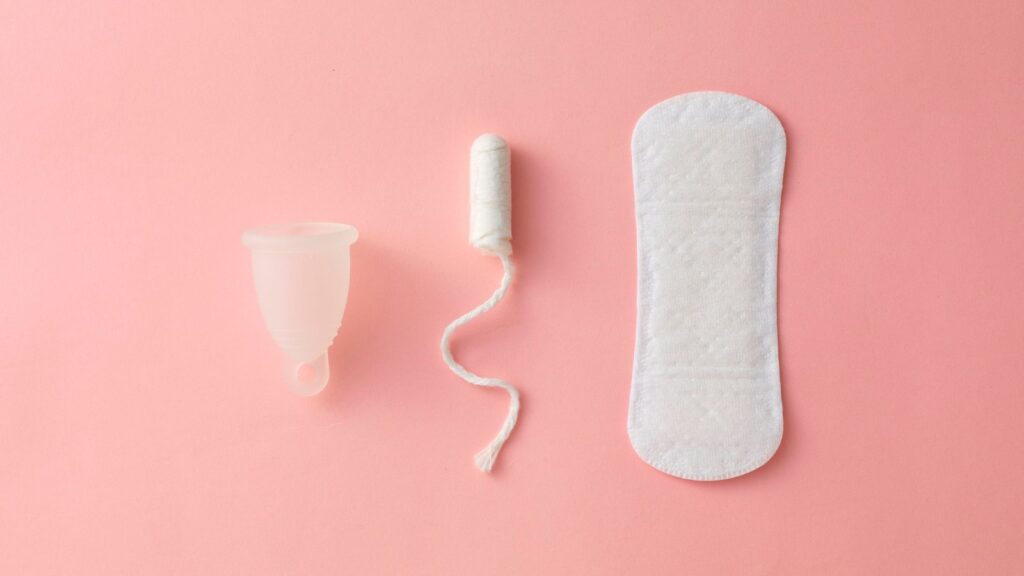
4. Use Tampons and Sanitary Pads for First Aid
Tampons and sanitary pads can be useful additions to an emergency kit because they’re absorbent and individually packaged.
A pad can work as a temporary dressing for a larger wound, while a tampon may help with certain types of bleeding, such as a nosebleed.
For serious bleeding, proper medical gauze and direct pressure are still the better choice. If blood is soaking through a dressing, keep applying pressure and seek emergency medical care rather than repeatedly removing the original dressing.
5. Don’t Eat Charcoal to Treat Poisoning
This one needs a correction from the usual survival advice.
Regular charcoal from a campfire or barbecue should not be eaten to treat poisoning. Activated charcoal is a medical product with specific uses, and it isn’t appropriate for every type of poisoning.
If someone swallows a potentially poisonous substance, contact a poison-control service or emergency medical provider rather than trying to treat it with homemade charcoal.
Charcoal can still have plenty of useful survival applications, such as filtering odors or helping with certain water-filtration setups, but consuming random charcoal isn’t one of them.
6. Use an Empty Building as Emergency Shelter
If you’re stranded during severe weather or another emergency, finding a safe place to get out of the elements becomes a priority.
An abandoned building, covered structure, or other protected location may provide shelter from rain, wind, cold, or extreme heat. Before entering, look for signs of structural damage, fire, flooding, exposed wiring, animals, or other hazards.
If there is an occupied building nearby, ask for help rather than forcing your way inside. Breaking windows or doors can create injuries and legal problems, and it should never be treated as a routine survival tactic.
Related: 15 Things You Need to Know to Survive Without Modern Conveniences
7. Turn a Long Tool Into a Defensive Barrier
The original idea of taping a knife to a stick to make a spear sounds clever, but it’s also a good way to create an unstable weapon that can cause serious injuries.
If you need to keep an aggressive animal at a distance, a long solid object can serve as a barrier. A sturdy walking stick, trekking pole, branch, or similar object can help you maintain space while you back away.
Your first choice should be creating distance and finding a safe escape route. Don’t approach wildlife or try to fight an animal unless there is no other way to protect yourself.
8. Use Cloth to Pre-Filter Dirty Water
A tampon isn’t a substitute for a proper water filter, but cloth can help remove larger pieces of dirt and sediment from cloudy water.
Pour the water through a clean cloth or several layers of fabric into a container. This can make the water look clearer, but it does not make it safe to drink.
After filtering, the water still needs to be properly treated, such as by boiling or using an appropriate water-purification method. Filtering and disinfecting are two different steps.
9. Don’t Use Loose Gunpowder to Start a Fire
Gunpowder is sometimes mentioned in survival lists as an easy fire starter, but handling loose powder around sparks or flames is dangerous.
A much safer option is to carry reliable fire-starting supplies such as stormproof matches, a lighter, or a commercial fire starter. Dry tinder, cotton, wax, and purpose-made fire-starting products can also help get a small fire going.
If you already have ammunition or firearms, keep them away from your fire and other sources of heat.
10. Don’t Leave an Obvious Trail
If you’re trying to find your way through unfamiliar terrain, deliberately destroying trail markers is usually a bad idea. Marking your route can help rescuers find you and can prevent you from walking in circles.
If you have concerns about someone following you, focus on reaching a populated or secure location rather than trying to hide your tracks.
Stay on established routes when possible, leave visible markers when appropriate, and conserve your energy. Getting lost while trying to avoid being followed can create a much bigger problem.
11. Use Lip Balm to Help Start a Fire
Many lip balms contain petroleum-based ingredients that can help a small tinder bundle burn longer.
Rub a small amount onto cotton or another dry, fibrous material and use it as tinder. It can help extend the burn time long enough for nearby tinder to catch.
Keep the amount modest and use the material outdoors in a controlled fire. Never smear lip balm onto your skin and hold it near a flame.
12. Heat Water in a Plastic Bottle Only as a Last Resort
This trick sounds impossible, but there’s a reason it can work under very specific conditions: water absorbs a large amount of heat, which can keep the plastic from immediately melting while the water is being heated.
Still, this isn’t a method I’d recommend unless you have no safer option. Plastic can soften, deform, or release unwanted substances when exposed to high heat.
A metal pot or other heat-safe container is far better. If you have to use plastic temporarily, keep the container filled with water and away from direct contact with the flame. Never use a damaged bottle or one that is melting.
13. Use Hair as Emergency Cordage
Long hair can be braided tightly to create a surprisingly strong temporary strand. It isn’t going to replace proper rope, but in a pinch it could help with small jobs that don’t involve supporting a person’s weight.
Hair can also be tied around objects to keep small items together or used as part of an improvised fishing setup.
Don’t use hair cordage for climbing, rappelling, lifting heavy loads, or anything where failure could cause serious injury.
14. Travel During Cooler Hours
In very hot environments, traveling during the hottest part of the day can drain water and energy quickly. Moving during cooler hours, such as early morning or around sunset, may make the trip easier.
Night travel can also reduce exposure to extreme heat, but it comes with its own risks. Poor visibility makes it easier to trip, get lost, encounter wildlife, or miss hazards on the ground.
If you need to move after dark, a reliable
The best survival trick is often knowing when not to improvise. Everyday objects can be surprisingly useful, but they shouldn’t replace proper food, water, first-aid supplies, lighting, navigation tools, and fire-starting equipment. A little preparation before an emergency can save you from having to rely on questionable tricks when you’re already under pressure.