California homeowners may want to start thinking about the rainy season a little earlier this year. With forecasts raising concerns about a potentially powerful El Niño, the coming months could bring more than the usual winter rain to parts of the state.
According to the San Francisco Chronicle, NOAA’s August 2026 forecast indicated a greater than 90% chance that El Niño will reach very strong intensity. The report also noted that Gov. Gavin Newsom declared a state of emergency to help California prepare for possible flooding, mudslides, and other storm-related problems.
Of course, a strong El Niño doesn’t guarantee heavy rainfall everywhere in California. But anyone who’s dealt with a leaking roof, flooded garage, or clogged drain knows how quickly a little rain can become an expensive problem.
Before the next big storm arrives, check a few things around your home.
Clean Out Your Gutters and Downspouts
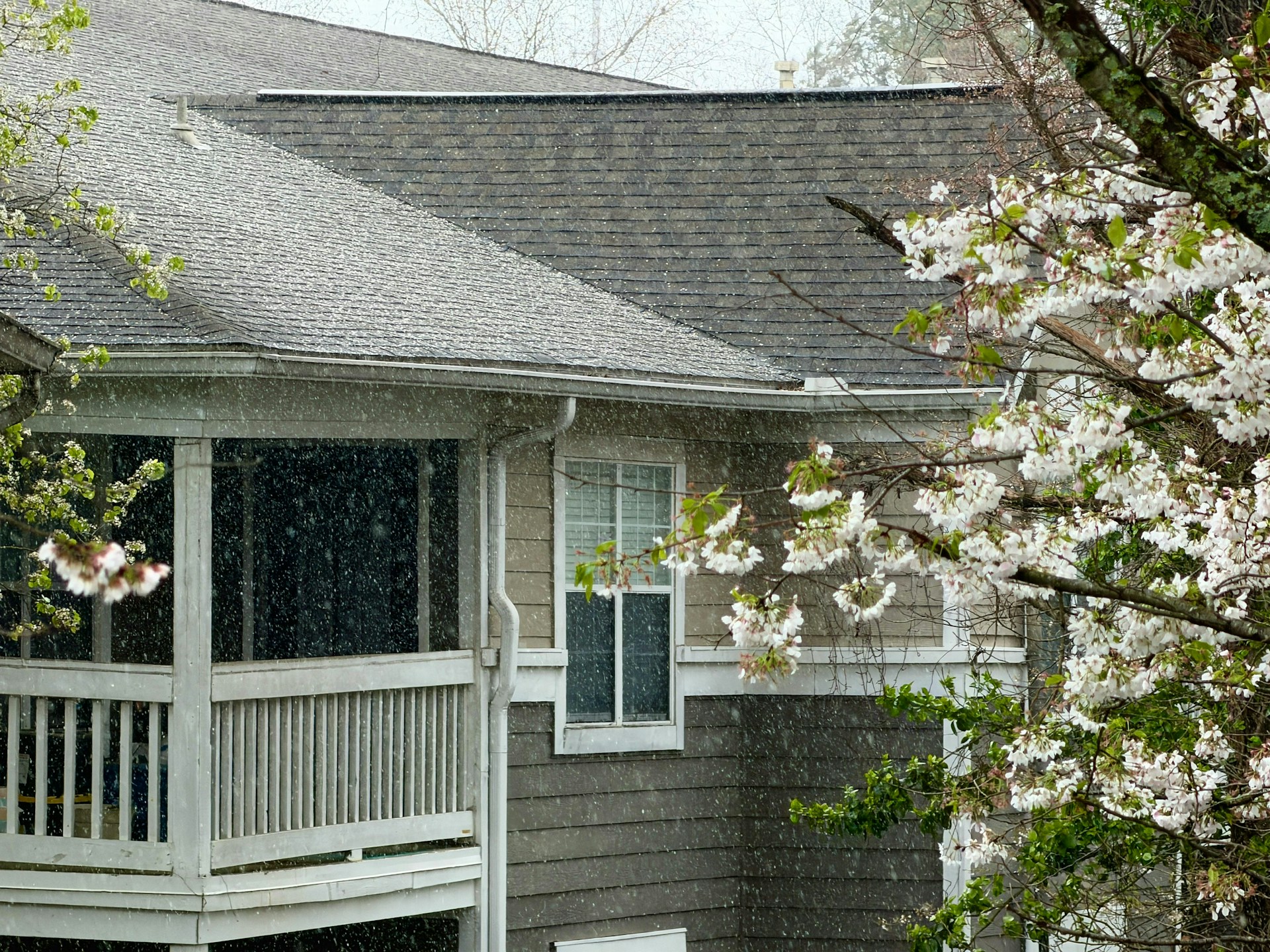
Gutters are easy to forget about until water starts pouring over the sides during a storm. Leaves, dirt, and other debris can block rainwater flow, causing it to collect near your foundation or seep into areas where it doesn’t belong.
Now is a good time to clear out any buildup and make sure your downspouts are directing water away from the house. If your gutters are hard to reach, hire someone to clean them rather than climbing onto the roof yourself.
Related: 17 Home Maintenance Jobs That Are Harder Than They Look
Check the Drains Around Your Property
That drain in your driveway or backyard might not get much attention during the dry season, but it can make a big difference when heavy rain arrives. Leaves, mud, and other debris can block drainage and leave water collecting around patios, garages, and walkways.
Walk around your property and look for anything that might prevent water from draining properly. Pay particular attention to areas that have flooded or collected standing water in previous winters.
Look for Leaks Around Windows, Doors, and the Roof
A small leak might not seem like much during a light rainstorm, but several days of heavy rain can quickly make it worse. Water stains on ceilings, peeling paint, cracked seals, and damaged weatherstripping can all signal that moisture is getting inside.
Check these areas now rather than discovering a problem in the middle of a storm. Even something as simple as replacing worn weatherstripping can help keep water out around doors and windows.
Get Your Garage and Basement Ready for Water
If your garage or basement has ever taken on water, it’s worth preparing for it to happen again. Boxes of photographs, important documents, electronics, and other valuables can be ruined if you store them directly on the floor.
Moving belongings onto shelves or into protective storage containers can help reduce potential damage. It’s also a good opportunity to get rid of anything you no longer need, especially if your garage has become a catchall for things you haven’t touched in years.
Secure Anything That Could Blow Around Outside
Heavy rain often comes with strong winds, and things that normally sit harmlessly in the backyard can quickly become a problem. Patio furniture, lightweight planters, umbrellas, decorations, and loose outdoor equipment can be knocked over or blown around.
Take a few minutes to look around your yard, patio, or balcony for anything that needs securing. Also check fences, gates, and nearby trees for damage that could worsen during a storm.
Prepare for a Possible Power Outage
Power outages can happen during major storms, especially when strong winds bring down tree branches or damage electrical equipment. Having a few basic supplies ready can make the situation much easier to manage.
Keep flashlights, extra batteries, portable phone chargers, drinking water, and essential medications somewhere accessible. A battery-powered weather radio can also be helpful if the power goes out and you lose access to regular updates.
Find Out Whether Your Home Is at Risk of Flooding
You don’t necessarily have to live next to a river to experience flooding. Homes near creeks, low-lying streets, hillsides, or areas with poor drainage can be vulnerable when a significant amount of rain falls in a short period.
Check your local flood maps and emergency alerts to see whether your neighborhood has any known risks. It’s also worth reviewing your homeowners insurance, since standard policies generally don’t cover flood damage and separate coverage may have a waiting period.
If You Rent, Don’t Wait to Report Problems
Homeowners aren’t the only ones who should be preparing for a wet winter. Renters can also experience leaks, flooding, water damage, and power outages, particularly in older buildings or ground-floor apartments.
If you’ve noticed water coming through a window, a drain that regularly backs up, or moisture collecting near an exterior door, let your landlord or property manager know before the next storm. Also, photograph any existing damage, protect valuable belongings, and make sure you know who to contact after hours if something goes wrong.