Stocking an emergency pantry can give you peace of mind, but filling your shelves with food and forgetting about it can lead to waste. Some pantry staples lose their flavor, turn rancid, or spoil sooner than expected, especially when they’re stored in warm or humid conditions.
If you’re preparing for severe weather, power outages, or supply shortages, rotating your food supply matters just as much as building it. The shelf-life estimates below are general quality guidelines, so check product labels and storage instructions, because packaging and storage conditions make a difference.
1. Brown Rice
Shelf Life: About 6 months to 1 year for best quality
Brown rice contains natural oils in its bran layer that can turn rancid over time, especially when stored in a warm pantry. For a pantry you plan to keep stocked for years, white rice is usually a better choice because it stays fresh longer when sealed and stored in a cool, dry place.
Related: 20 Foods That May Help Relieve Pain Naturally
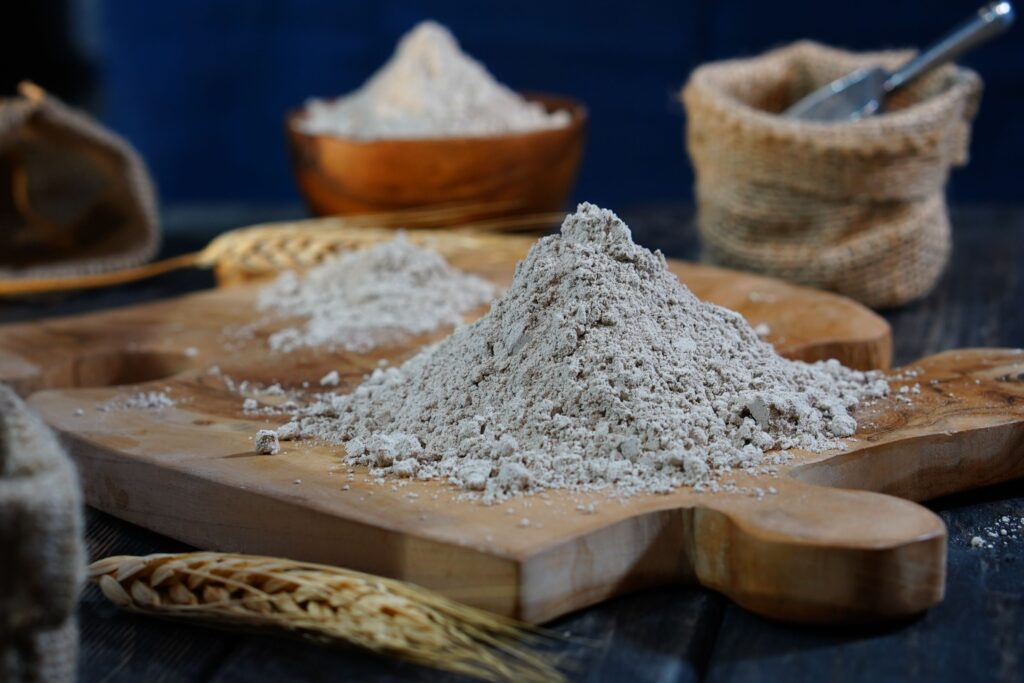
2. Whole Wheat Flour
Shelf Life: About 3 to 6 months at room temperature for best quality
Whole wheat flour contains oils from the wheat germ that can spoil faster than the oils in refined white flour. If you bake only occasionally, buy smaller bags or freeze the flour for longer storage, and consider storing whole wheat berries if you have the equipment to grind them when needed.
Related: 39 Long-Lasting Foods Worth Keeping in Your Pantry
3. Nuts and Nut Butters
Shelf Life: Several months to a year or longer, depending on the product and packaging
Nuts and nut butters contain fats that can develop stale or rancid flavors over time, especially when exposed to heat, air, and light. Buy quantities you can use within a reasonable period, and refrigerate or freeze nuts when the package instructions recommend it or you need to extend their quality.
Related: 12 American Foods That Are Banned in Other Countries
4. Granola and Breakfast Bars
Shelf Life: About 6 months to 1 year, depending on the brand
Granola bars, protein bars, and breakfast bars can become stale as their oils and other ingredients lose freshness during storage. Check the best-by dates before buying large boxes and keep them in their original packaging until you’re ready to eat them.
5. Powdered Milk
Shelf Life: Often about 1 to 2 years unopened, depending on the product
Powdered milk can absorb moisture and develop off flavors if the package isn’t sealed properly or the product is stored somewhere hot and humid. Once opened, follow the manufacturer’s storage instructions and use it within the recommended period, rather than assuming vacuum sealing will make it last for years.
6. Canned Tomatoes
Shelf Life: About 12 to 18 months for best quality
Canned tomatoes are acidic, so their flavor and texture can change over time as the contents interact with the can lining. Store unopened cans in a cool, dry place and discard any that are swollen, leaking, badly rusted, or deeply dented.
Related: 7 Canned Foods Frugal People Always Buy
7. Dried Fruit
Shelf Life: About 6 months to 1 year, depending on the type and packaging
Dried fruit can lose its flavor and texture over time, and excess moisture may allow mold to develop. Keep it sealed in a cool, dry place, follow the package instructions, and throw away fruit that shows mold or has an unusual smell.
8. Crackers and Cereal
Shelf Life: Around 6 to 12 months for many unopened products
Crackers can lose their crunch, while cereal may become stale or develop off flavors as it sits in storage. Whole-grain varieties contain more natural oils that can turn rancid, so buy sensible quantities and keep packages tightly sealed after opening.
9. Jerky
Shelf Life: About 12 months for commercially packaged shelf-stable jerky; home-dried jerky often lasts much less time
Jerky doesn’t last forever, and its storage life depends on moisture content, packaging, processing, and temperature. Follow the manufacturer’s date and storage instructions for commercial products, and use tested food-preservation guidance for home-dried jerky rather than assuming it will keep for months.
10. Instant Oatmeal Packets
Shelf Life: About 6 to 9 months for many products, depending on the package date
Flavored instant oatmeal may contain sweeteners, dried fruit, and other ingredients that affect its freshness during storage. Plain rolled oats or steel-cut oats can be useful pantry alternatives, but they still need proper storage and regular rotation.
11. Cooking Oils
Shelf Life: About 6 months to 1 year unopened for many oils, depending on the type
Cooking oils can develop rancid flavors when exposed to heat, light, and air, and opening a bottle can shorten its best-quality period. Store oils away from heat and direct sunlight, check the label, and buy smaller bottles if you use them only occasionally.
12. Baking Powder and Baking Soda
Shelf Life: Baking powder often lasts 6 to 18 months unopened; baking soda may last several years when stored properly
Baking powder can lose its ability to make baked goods rise, while baking soda kept for baking may lose strength after prolonged storage. Check dates and test baking powder with hot water if you’re unsure about its activity, and keep both products tightly sealed to protect them from moisture.
13. Instant Rice
Shelf Life: Often about 1 to 2 years for best quality, depending on the product
Instant rice is convenient during an emergency because it cooks quickly, but its best-quality period depends on the packaging and manufacturer’s guidance. Regular white rice can also be a useful pantry staple, so compare package dates and storage instructions instead of assuming one type always lasts longer than the other.
14. Vacuum-Sealed Coffee
Shelf Life: About 6 to 12 months for ground coffee and potentially longer for unopened whole beans, depending on packaging
Vacuum-sealed packaging helps limit exposure to air, but it doesn’t preserve coffee’s flavor indefinitely. Keep it sealed until needed, store it away from heat and moisture, and consider instant coffee for convenience if you want a quick drink during an outage.
15. Canned Soup With Meat or Dairy
Shelf Life: Often about 2 to 5 years unopened for commercially canned soups, depending on the product and storage conditions
Commercially canned soups can keep their best quality for years when stored in a cool, dry place, so meat or dairy ingredients don’t automatically mean the can must be replaced after just one or two years. Freeze-dried or dehydrated soup mixes can also be useful pantry options, but check the manufacturer’s storage instructions and expiration or best-by information before relying on them.