This post may contain affiliate links.
Companion planting is one of those old gardening tricks that still works surprisingly well. Some plants naturally help each other by keeping pests away, improving the soil, or making better use of garden space. Pairing the right plants together can make a vegetable garden easier to manage and a lot more productive.
Cabbage is a good example. It’s fairly easy to grow, but it also attracts its share of garden pests, especially cabbage worms and aphids. Planting it near the right herbs, flowers, and vegetables can help protect it while also supporting stronger growth throughout the season.
If you want healthier cabbage plants and a better harvest, the plants growing around them matter more than most people realize. Here are 18 of the best companion plants to grow near cabbage and why gardeners like planting them together.
1. Celery
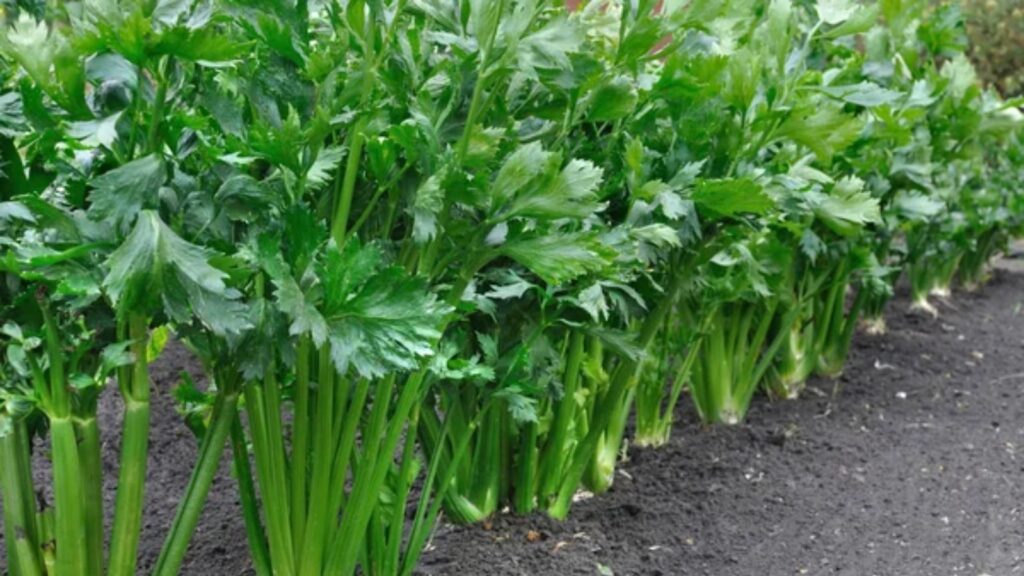
Celery has an aromatic smell that confuses common cabbage pests like moths and aphids. Some gardeners even say celery can subtly enhance the flavor of nearby cabbage.
Both plants like similar growing conditions, so they won’t compete much for nutrients. Just be sure to space them out a bit, since cabbage leaves can get big and spread wide. They grow best in USDA zones 3–10 with moist, rich soil and full sun
2. Thyme
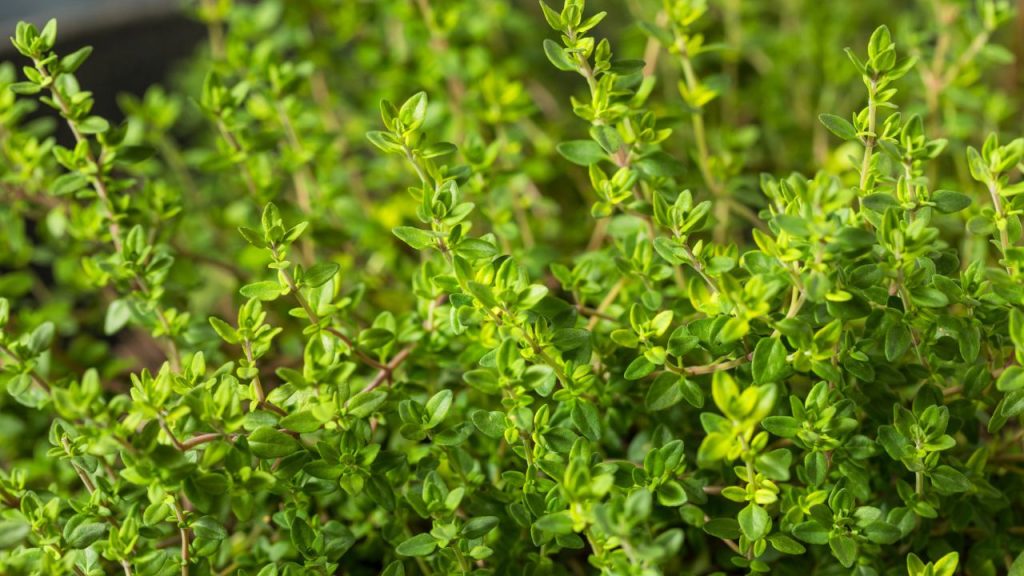
Thyme works like a natural insect repellent and is beneficial to your cabbage plant. Their strong scents can help drive away cabbage loopers, cabbage worms, and aphids. Many also attract pollinators and beneficial insects like hoverflies and parasitic wasps, which prey on pests.
Plant them about 1–2 feet from your cabbage to avoid overcrowding. Most herbs like well-drained soil, so make sure the area doesn’t stay soggy. Thyme grows in USDA zones 5–9.
3. Carrots
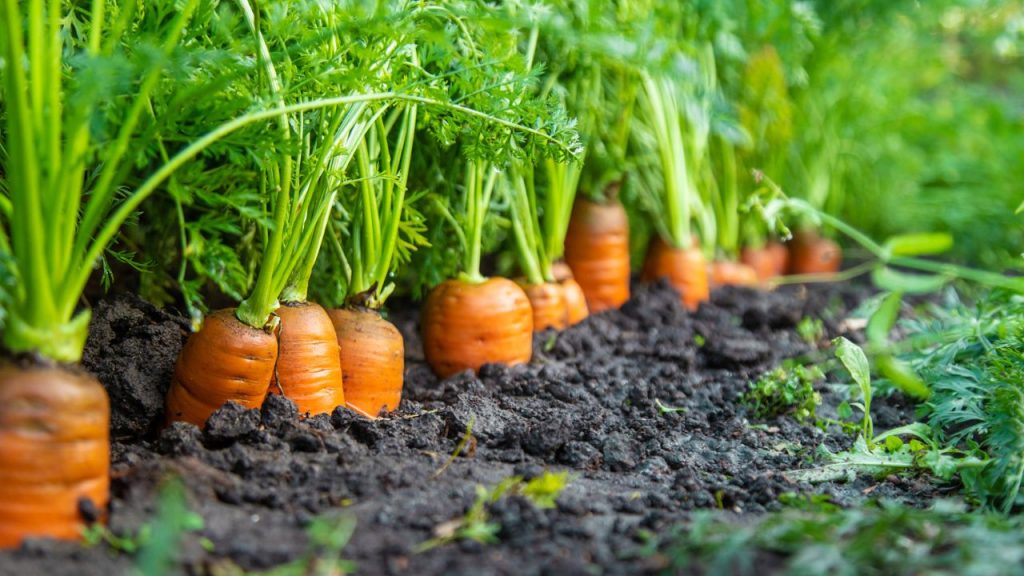
Carrots and cabbage don’t compete for nutrients since they grow in different soil zones — cabbage above ground,
Carrots also help break up the soil, improving drainage and aeration for cabbage roots. For the best effect, try planting
4. Nasturtiums

Nasturtiums don’t just make your garden prettier; they also help with pest control. Nasturtiums act as a trap crop and attract aphids away from your cabbage. Plant them around the border of your cabbage patch to create a protective barrier.
5. Borage (Starflower)
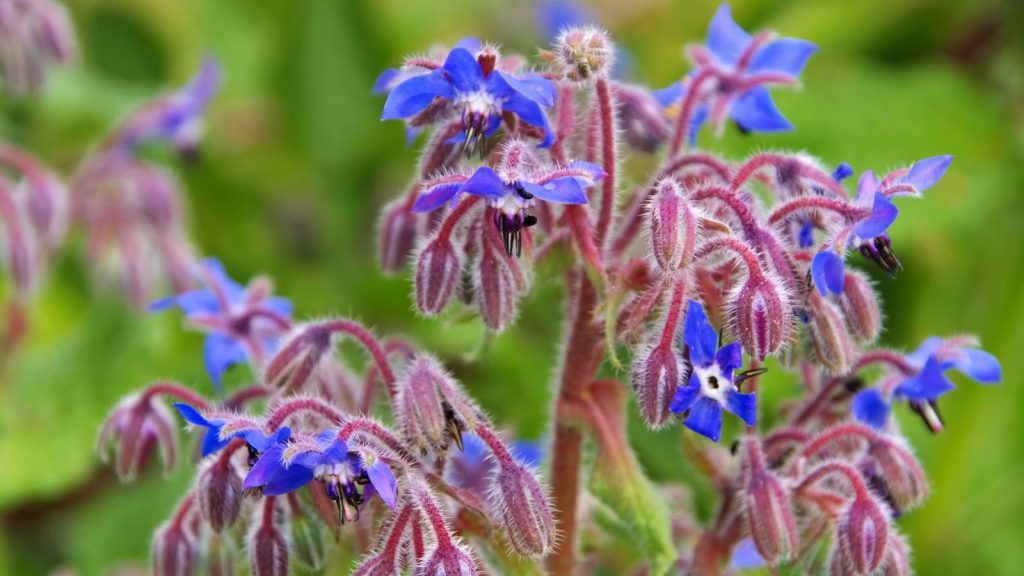
As a companion plant, borage improves the health of nearby plants by adding trace minerals like potassium and calcium back into the soil when its leaves break down.
It also attracts pollinators and beneficial insects that keep pest populations in check. Plus, its bright blue flowers add a cheerful touch to your garden. Borage is grown annually in USDA zones 2–11 in slightly moist, fertile loam soil.
6. Onions
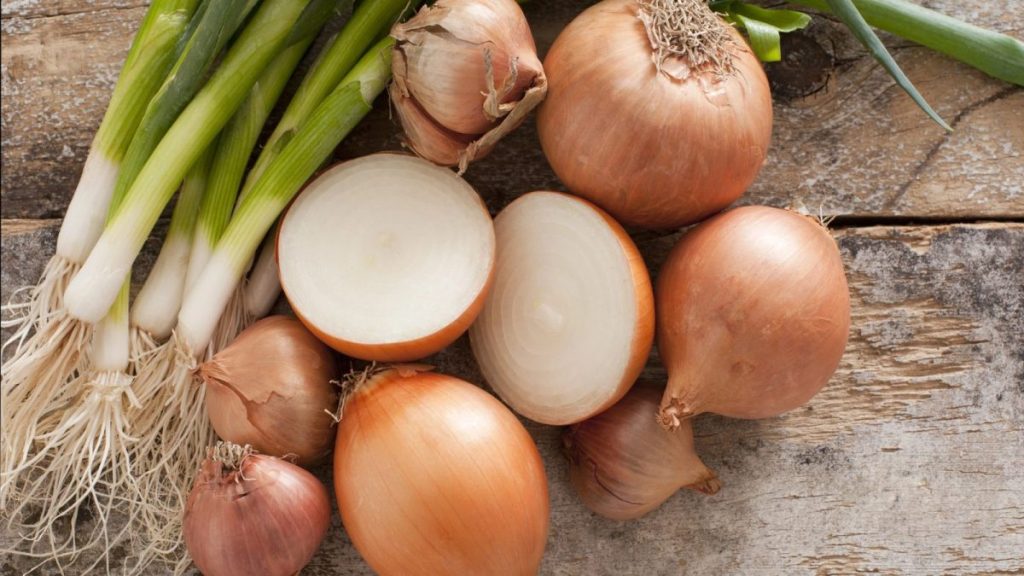
Onions are a great companion plant for cabbage because their pungent smell deters pests like cabbage worms and maggots. However, it’s important to note that the essential oils from onions might not be compatible with other plants in your garden, so be careful.
Also, you have to carefully space your plants so the cabbage doesn’t obstruct the onion plant from sunlight and other resources. Onions thrive in loose, well-drained soil with plenty of sun and are grown in USDA zones 3–9.
7. White Clover
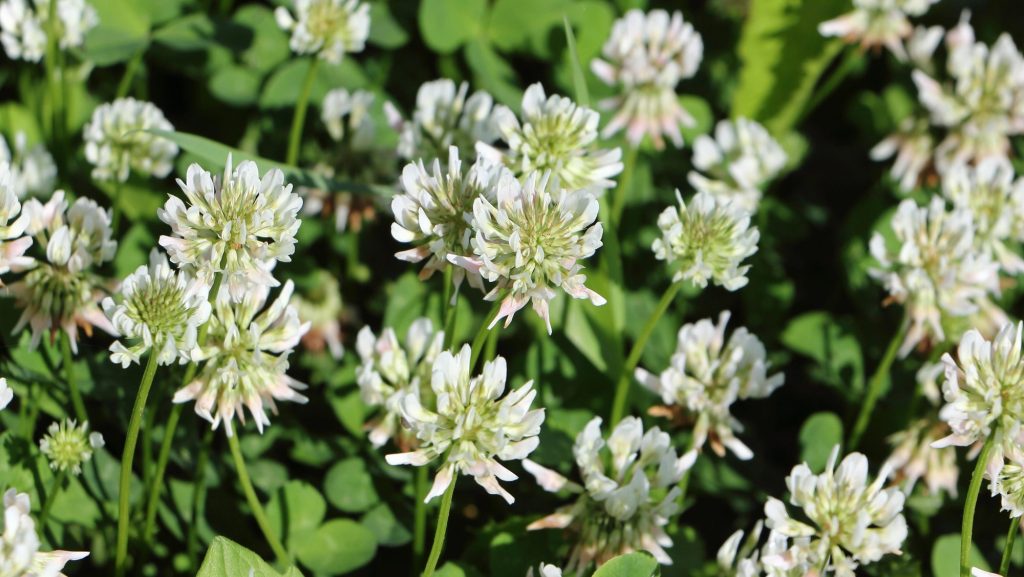
White clover is a low-growing plant with many benefits. It acts as a natural ground cover, helping to retain moisture, smother weeds, and prevent soil erosion. Cabbage needs a lot of nitrogen to grow well, and white clover is a great nitrogen fixer. It also reduces pest attacks in your garden.
White clover grows in a range of soils but prefers well-drained loam and full to partial sun, thriving in USDA zones 3–10.
8. Beets

Beets are low-maintenance root vegetables that are easy to grow. They grow well alongside cabbage because they don’t compete for the same nutrients.
9. Garlic
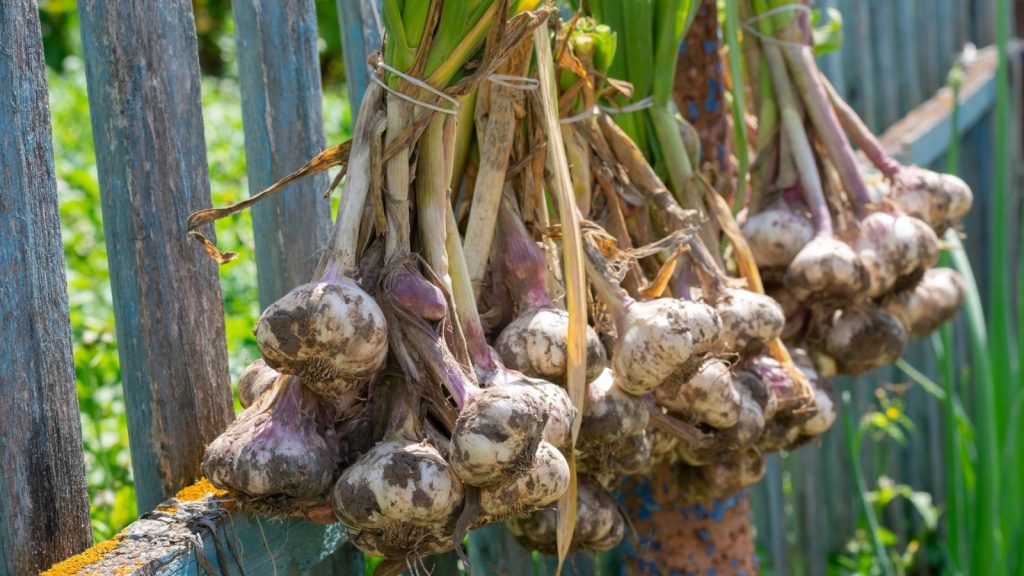
Garlic is one of the best natural pest repellents you can plant near cabbage. Its strong smell wards off Japanese beetles, cabbage worms, and other destructive pests.
10. Dandelion Greens

Dandelion greens are beneficial weeds that can improve drainage and aeration. They have deep taproots that break up compacted soil and help water and nutrients reach cabbage roots more easily. Dandelion greens don’t attract many pests, and they grow quickly, so you can harvest them early before your cabbage takes over the space.
They grow in most soils but need to grow in USDA zones 3–10 with nutrient-rich, loose soil, full sun to partial shade to thrive.
11. Scallions (Green Onions)

Scallions are fast-growing and take up little space. They repel many of the same pests that bother cabbage and improve overall soil quality.
Even better, you can tuck them into tighter spots between cabbage heads, making great use of every inch of your garden. They also tend to grow much quicker than cabbage. Scallions prefer moist, well-drained soil and full sun, and thrive in USDA zones 3–9.
12. Spinach
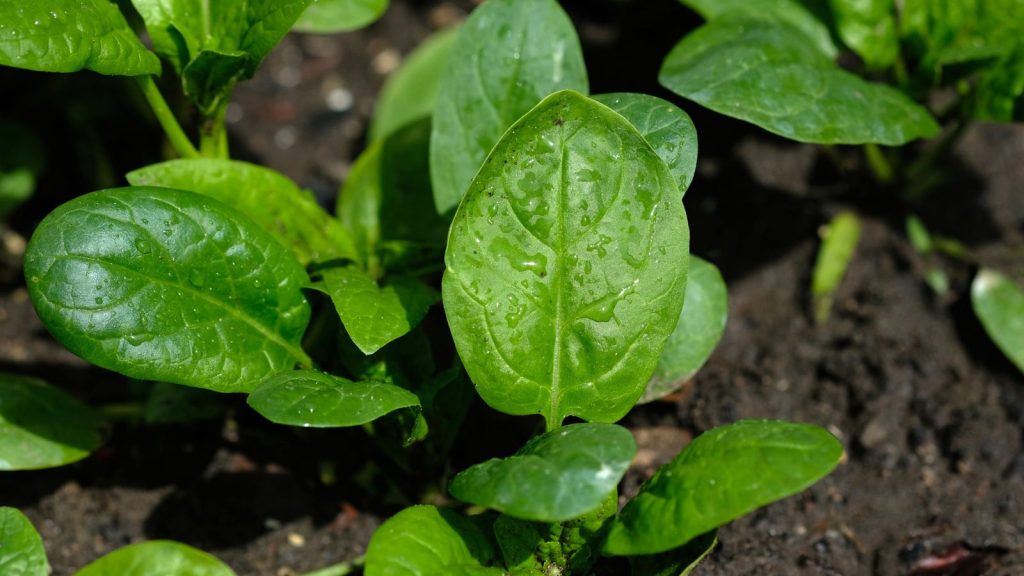
Spinach is known to deter pests and help control weeds naturally. It also improves soil moisture retention and attracts pollinators. However, it may also attract aphids, so monitor it closely.
With proper care,
13. Radishes
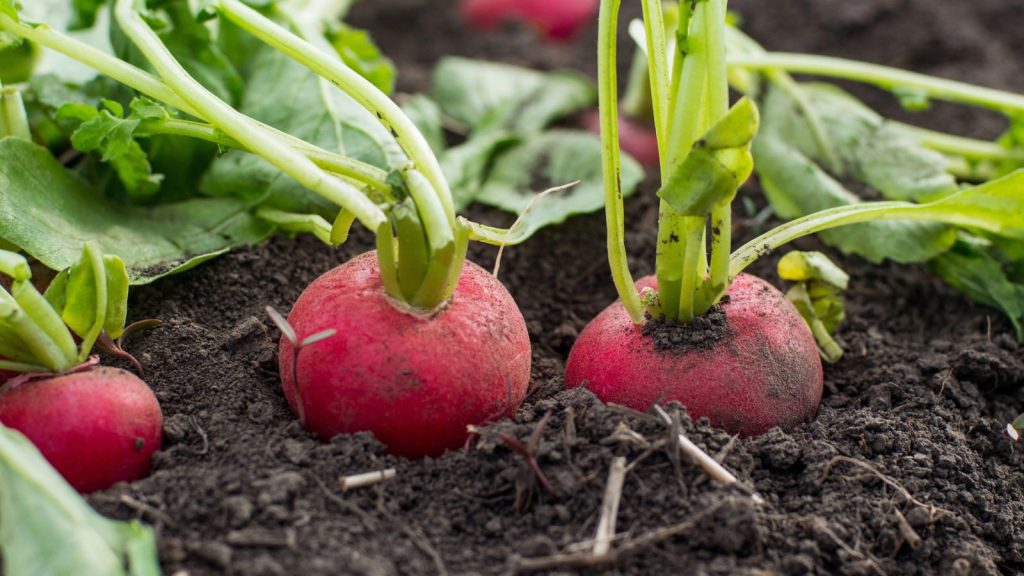
Radishes are fast growers that help loosen the soil. They even act as a trap crop, luring away pests like flea beetles that would otherwise go after your cabbage.
14. Kale

Cabbage and kale are in the same family, so they like the same type of soil and growing conditions. They’re both tough on pests and help each other resist soil erosion with their dense root systems. However, since they attract similar pests, having both may require a little more pest control effort. So keep an eye out.
Kale prefers fertile, moist, well-drained soil and full sun, growing perennially in zones 7–9 and as an annual in zones 2–6.
15. Alyssum
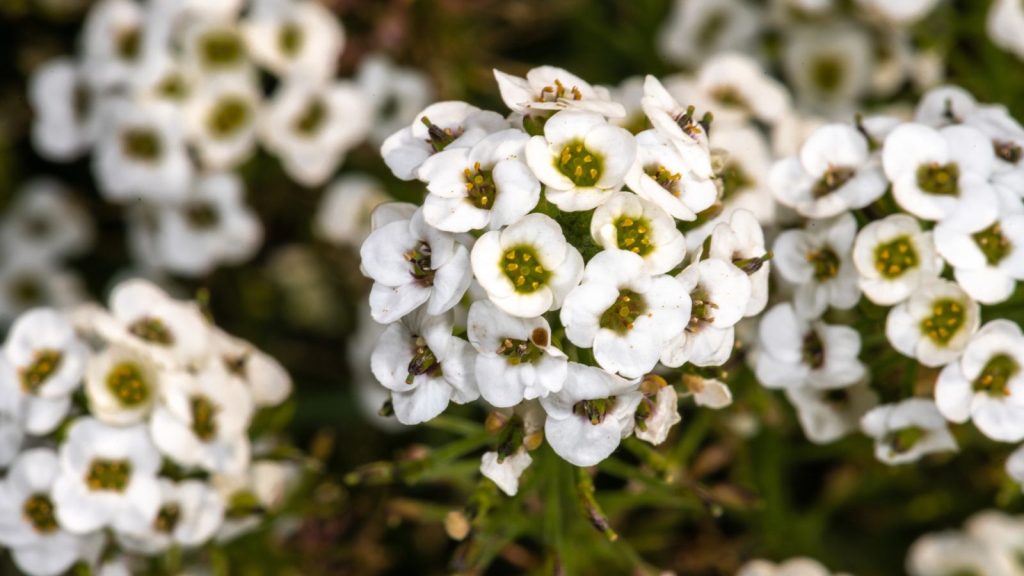
Alyssum is a low-growing flowering plant that attracts parasitic wasps and hoverflies that prey on aphids and cabbage worms. It also acts as a living mulch, keeping the soil cool and moist. A bonus is that it improves your garden’s aesthetics with its tiny, fragrant blooms.
Alyssum grows in well-drained soil and full sun to partial shade, thriving in USDA zones 5–9 and as an annual in colder or hotter regions.
Grow Juicier, Tastier Tomatoes with These 15 Companion Plants

Companion planting is an age-old gardening method that can help prevent common plant issues and boost crop yields. By using some of the best companion plants for tomatoes, your harvests will be better than ever. Here are the 15 best companion plants for your tomato garden.
Grow Juicier, Tastier Tomatoes with These 15 Companion Plants
12 Plants to Grow Alongside Your Blueberry Bushes to Keep Them Happy

Planting the right companion plants near blueberry bushes can help to ensure successful fruiting. Here are some plants that you should grow alongside blueberry bushes to help them thrive.
12 Plants to Grow Alongside Your Blueberry Bushes to Keep Them Happy