
During the Great Depression, when money was tight, families had to make every penny count. They stretched meals, mended worn-out clothes, reused household supplies, and found ways to make do with what they already had. These weren’t weekend projects or passing trends; they were part of daily life.
Many of those habits are still useful today, especially for families looking to spend less, waste less, and rely less on store-bought goods. From growing your own vegetables to fixing things instead of replacing them, these 20 old-fashioned habits offer plenty of practical ideas for modern households.
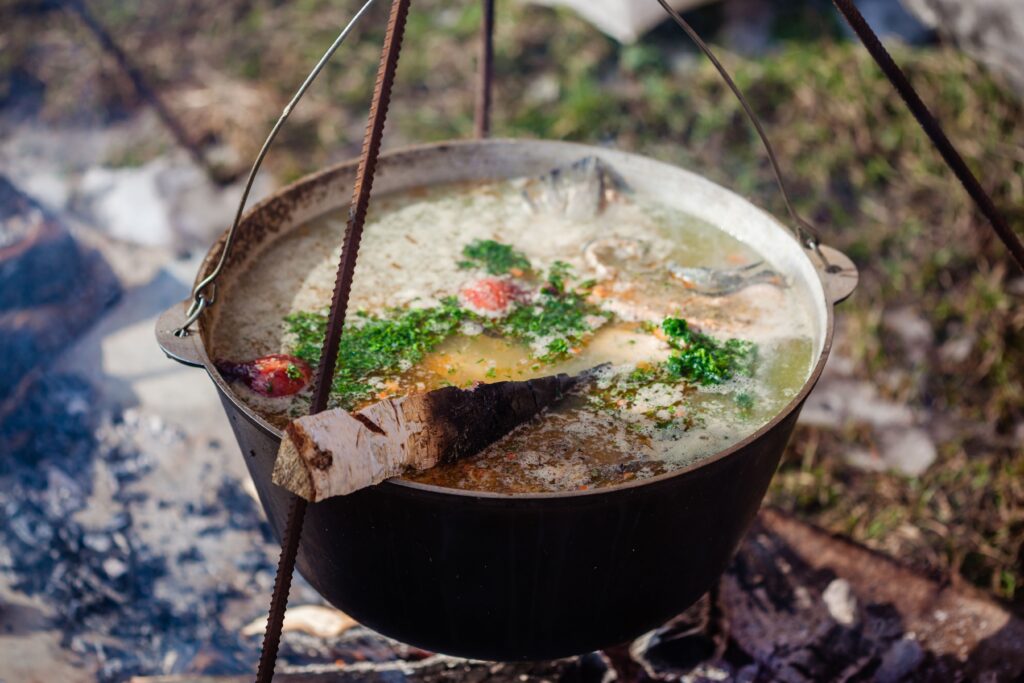
Stretch Meals with Affordable Staples
Families often relied on beans, rice, potatoes, oats, and flour because these inexpensive ingredients could feed several people without costing much. Today, adding beans to chili, rice to soup, or extra vegetables to casseroles can help make groceries go further.
Regrow Vegetables from Kitchen Scraps
Green onion roots, celery bases, and lettuce cores can sprout new growth, and healthy potato sprouts can be planted in suitable soil. Place appropriate vegetable scraps in water or plant them directly, depending on the type, and give them enough light to grow.
Make Bone Broth
Families made the most of their food by simmering leftover bones with vegetable scraps to create broth for soups, gravies, and stews. Keep bones in a freezer container until you have enough for a batch, then refrigerate the finished broth within two hours and use it within three to four days or freeze it.
Related: How to Make Bone Broth in the Crock Pot
Learn Food Preservation
Before home freezers became common, families relied on canning, drying, fermenting, and cool storage to keep seasonal food for later. These skills can still help reduce waste and make the most of garden harvests or produce bought on sale, as long as you follow tested food-preservation instructions.
Learn to Forage Safely
Wild berries, nuts, and edible greens sometimes helped families add variety to their meals when money was scarce. Learn to identify each plant with certainty, avoid polluted or chemically treated areas, and never eat a wild plant based on a guess.
Cook with Less Fuel
Fuel cost money, so families often planned meals that could cook together on a wood stove or continue cooking with retained heat. Today, you can save energy by cooking several dishes at once, keeping lids on pots, and using appliances suited to the meal rather than heating a large oven for a small dish.
Related: How to Build a Top-Down Fire
Find a Second Use for Everything
Worn clothes can become quilts, old towels can become cleaning rags, and suitable food scraps can go into compost or animal feed. Before throwing something away, consider whether it can serve another purpose safely or be repaired for continued use.
Related: 9 Ways to Upcycle an Old Men’s Flannel Shirt
Barter Instead of Buying
When cash was scarce, neighbors sometimes exchanged eggs, vegetables, firewood, sewing, repairs, and other useful goods or services. Bartering can still help people cut costs through local gardening groups, neighborhood exchanges, and community networks.
Make Your Own Cleaning Products
Many households relied on basic supplies such as soap, hot water, and other inexpensive ingredients for everyday cleaning. You can still save money by using simple cleaners suited to each surface, but never mix bleach with vinegar, ammonia, or other cleaning products.
Mend Clothes Instead of Replacing Them
A loose button, torn seam, or small hole didn’t mean a garment had reached the end of its useful life. Learning to sew on buttons, patch fabric, and repair seams can keep clothes wearable for much longer and save money on replacements.
Save Water Whenever Possible
Families often found ways to collect rainwater for gardens and reuse suitable household water for outdoor chores. Collect rainwater where local rules allow and reuse clean, non-soapy water on appropriate plants, but keep drinking water separate and avoid using contaminated water on edible crops.
Grow Your Own Food
A backyard garden could supply families with potatoes, beans, squash, tomatoes, and other foods during hard times. Even without a yard, you can grow herbs, lettuce, or cherry tomatoes in containers on a sunny balcony or windowsill.
Raise Small Livestock
Chickens and ducks can provide eggs, while rabbits may be raised for meat in places where it’s legal and appropriate. Before bringing animals home, check local rules and plan for feed, shelter, veterinary care, daily work, and start-up costs.
Make Soap at Home
Some families made soap from animal fat and lye when buying household supplies was difficult or expensive. Homemade soap can still be a useful craft, but lye causes severe burns, so follow a reliable recipe, wear proper protective equipment, and keep children and pets away during preparation.
Keep Your Home Warm Naturally
Before central heating was common, families used thick curtains, rugs, draft blockers, and sunlight to help keep their homes warmer. Closing curtains at night, sealing gaps around windows and doors, and using sunlight during the day can help reduce heat loss in colder months.
Make Candles and Oil Lamps
Candles and oil lamps provided light in homes without reliable electricity, and families sometimes melted leftover candle pieces to make new ones. Making candles can be a useful hobby, but open flames and oil lamps need constant supervision and should never be left burning while anyone sleeps or leaves the room.
Related: Easy Homemade Beeswax Candles
Build with Reclaimed Materials
People often saved old lumber, bricks, windows, and hardware for repairs or future building projects rather than throwing them away. Reclaimed materials can lower the cost of garden beds, fences, and small repairs, but check for rot, lead paint, asbestos, and other hazards before reusing them.
Keep Hand Tools Around
Hammers, screwdrivers, hand saws, pliers, and manual drills helped families handle repairs without relying on electric equipment. A small collection of sturdy hand tools remains useful for everyday fixes and can come in handy during a power outage.
Compost Kitchen and Garden Waste
Turn vegetable peels, coffee grounds, fallen leaves, grass clippings, and other suitable organic materials into compost instead of sending them to the landfill. Finished compost adds organic matter to garden soil, helping it hold moisture and support healthy plant growth.
Learn Simple Home Remedies
Many families kept honey, ginger, mint, and other familiar ingredients on hand to soothe minor complaints when medical care was hard to afford. Some may relieve issues such as a mild sore throat or upset stomach, but home remedies cannot replace needed medical care, and persistent or severe symptoms deserve professional attention.
Old Habits That Still Save Money
Families who lived through the Great Depression had to think carefully about what they bought, used, and threw away. Their everyday habits offer practical lessons for today’s households, from stretching groceries and repairing clothes to growing food and making better use of what is already at home.