Living in a city doesn’t mean you can’t prepare for emergencies. Apartment residents and condo owners may have less storage space than people in rural areas, but a few smart choices can help them manage blackouts, severe weather, supply shortages, and other unexpected events.
You don’t need a basement full of supplies or a separate storage building to get started. The goal is to keep useful items close at hand, use your available space well, and have a plan before an emergency happens.
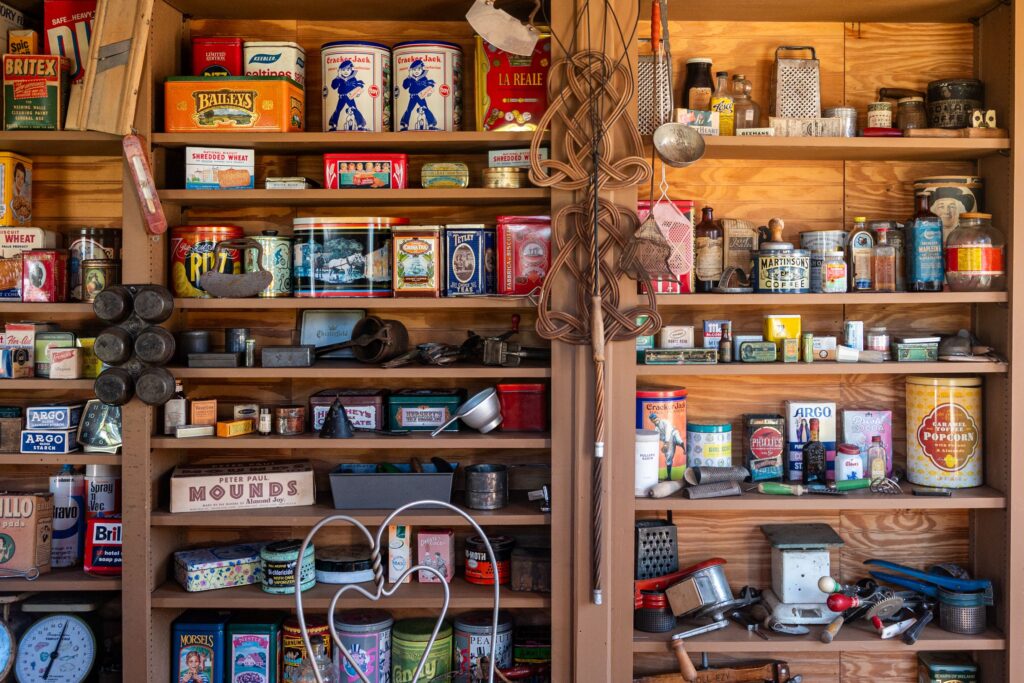
1. Stock Items That Do More Than One Job
Everyday supplies can serve several purposes, which is helpful when storage space is limited. Baking soda can help with household cleaning and odors, duct tape can provide temporary repairs, and heavy-duty garbage bags can protect belongings from dirt and moisture.
Related: 17 Ways Hydrogen Peroxide Can Help With Everyday Household Problems
2. Have a Way to Purify Water
Keep an emergency water supply along with a reputable water filter or water purification tablets suitable for drinking water. Follow the product instructions and local public-health guidance, and use only a verified disinfection method rather than guessing at chemical amounts.
Related: 13 Unexpected Ways Rubbing Alcohol Can Help Around the House
3. Vacuum-Seal Pantry Staples
Vacuum-sealing dry foods such as rice, beans, pasta, and oats can help protect them from moisture and pests when stored properly. It doesn’t make food last indefinitely, so label packages with the contents and date, and follow safe food-storage recommendations.
Related: 15 Surprising Ways Diatomaceous Earth Can Help Around the House
4. Keep Emergency Blankets on Hand
Emergency blankets fold down into a small package and can help reduce body heat loss during cold weather or an unexpected night outdoors. Store a few with your emergency supplies, but don’t rely on them as a replacement for proper clothing, shelter, or safe indoor heating.
Related: 18 Ways Hydrogen Peroxide Can Help With Cleaning and Household Chores
5. Save Suitable Containers for Emergency Storage
Clean, food-grade containers can store dry supplies or keep small emergency items organized. Reuse drink bottles for water only if they’re suitable for that purpose, and never use containers that previously held cleaning products or other chemicals.
6. Keep Small Bills at Home
Card readers, ATMs, and payment apps may stop working during a widespread outage or network disruption. Keep a modest amount of cash in small denominations in a secure place so you can pay for necessities if electronic payments aren’t available.
7. Prepare Safe Emergency Lighting
Flashlights, headlamps, and battery-powered or rechargeable LED lanterns provide light without an open flame. Keep spare batteries or a charged backup light with your supplies, and avoid relying on homemade oil lamps or other improvised flames that can start a fire.
8. Store Important Items Securely
Keep cash, spare keys, copies of important documents, and other small valuables in a secure place that’s protected from casual view. Use a clearly labeled emergency pouch or lockable container so household members can find needed supplies quickly without risking their loss among ordinary household items.
9. Have a Backup Way to Cook
A power or gas interruption can leave you unable to use your usual stove, so think ahead about safe food options that don’t require cooking. If you keep a camping stove, use it only in the outdoor location specified by its manufacturer, never inside an apartment or enclosed space where carbon monoxide can build up.
10. Store Water Before an Emergency
If severe weather or another disruption is expected, fill clean, food-safe containers while the water supply is still available. A purpose-made bathtub water-storage liner can hold a larger reserve, but use safe containers for drinking water and follow public-health instructions if tap water becomes unsafe.
11. Keep White Vinegar in Your Supplies
White vinegar can help with ordinary household cleaning jobs, such as removing some mineral deposits and cleaning glass. Keep a bottle with your cleaning supplies, but don’t treat vinegar as a disinfectant for contaminated water or as a substitute for a sanitizing product.
12. Learn Basic First Aid
Knowing how to care for minor cuts, recognize warning signs, and respond to an injury can be useful if medical help is delayed. Keep a well-stocked first-aid kit and a printed guide at home, and take certified first-aid and CPR training so you know how to act under pressure.
13. Be Careful With Pool Shock and Water Treatment
Pool shock can contain concentrated chemicals and additives that make some products unsuitable for drinking-water treatment. Use water purification products intended for drinking water, and follow official instructions rather than trying to calculate a safe dose from pool chemicals on your own.
14. Have a Backup Communication Plan
Cell service and internet access may be disrupted during a major emergency, so keep a battery-powered or hand-crank radio for weather reports and official updates. Agree on a family meeting point and an out-of-area contact, and consider radios suitable for your needs if you want another way to communicate.
15. Carry a Small Emergency Kit
A compact kit in your backpack, vehicle, or workplace can help with small problems while you’re away from home. Include a flashlight, whistle, first-aid supplies, a multi-tool, and other items suited to your daily routine, keeping local laws and your workplace rules in mind.