Think about how many times you’ve turned on a faucet today. You probably brushed your teeth, washed your hands, made coffee, prepared food, and perhaps washed a few dishes without giving it much thought.
Now imagine having to do all of those things using only the water you’ve stored at home.
When people prepare for emergencies, they often focus on having enough drinking water. But as several readers pointed out in a recent discussion about emergency preparedness, drinking is only one of the many things households need water for.
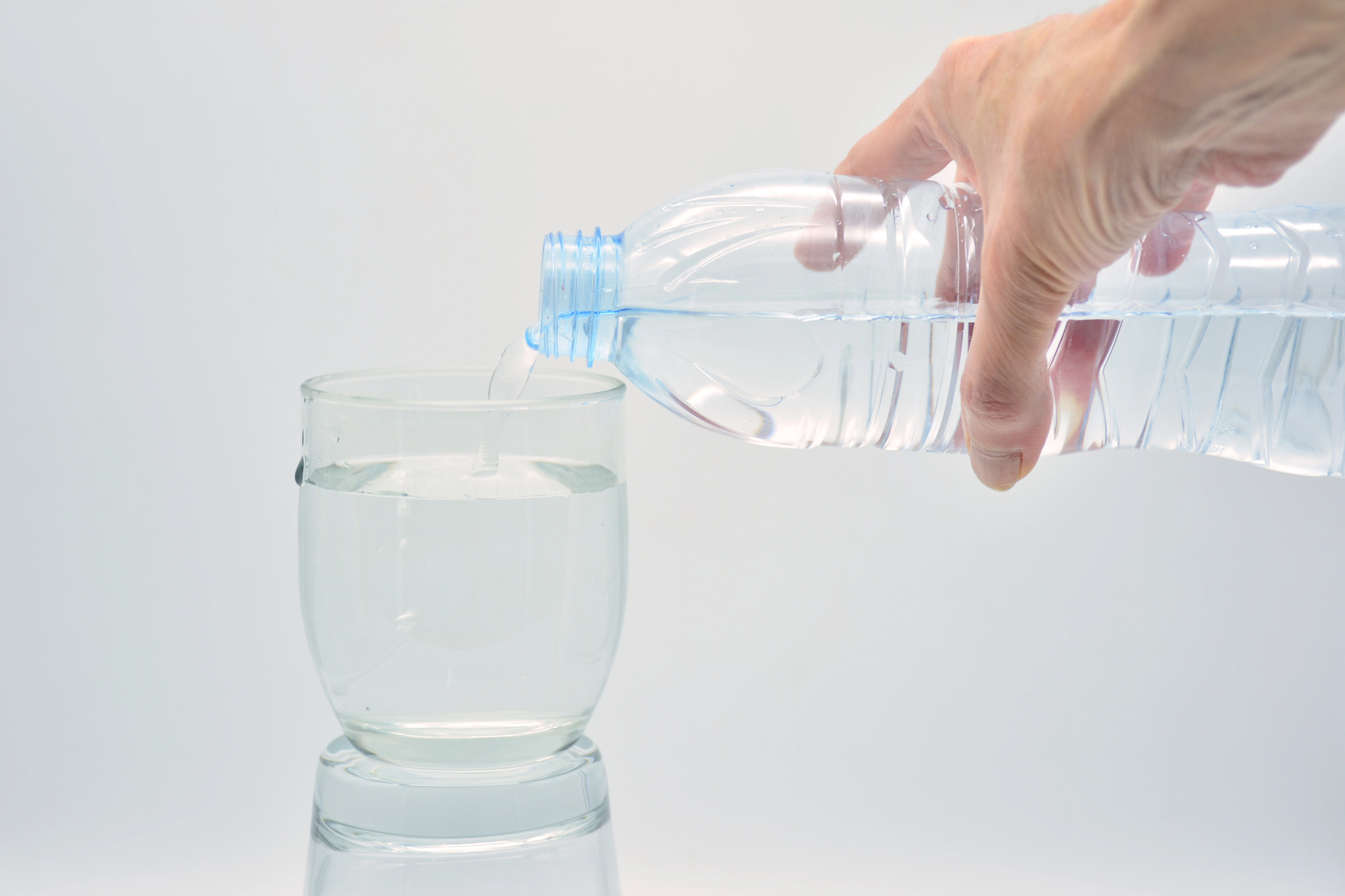
How Much Water Should You Actually Store?
The CDC recommends storing at least one gallon of water per person per day for three days, and building a two-week supply if possible.
For a family of four, that means at least 12 gallons for three days, 28 gallons for a week, or 56 gallons for two weeks.
However, these are basic amounts. Hot weather, medical conditions, pets, and additional sanitation needs can increase the amount of water your household requires.
Here are some everyday activities that can quickly use up your emergency water supply.
Preparing Meals
Many popular emergency foods, including rice, pasta, dried beans, and oatmeal, require water to prepare. Keeping some ready-to-eat foods in your pantry can help conserve water when your supply is limited.
Washing Your Hands
Maintaining good hygiene is particularly important during an emergency, especially when handling food or dealing with waste. Hand sanitizer can be helpful in certain situations, but it isn’t a complete replacement for washing your hands with soap and safe water.
Flushing the Toilet
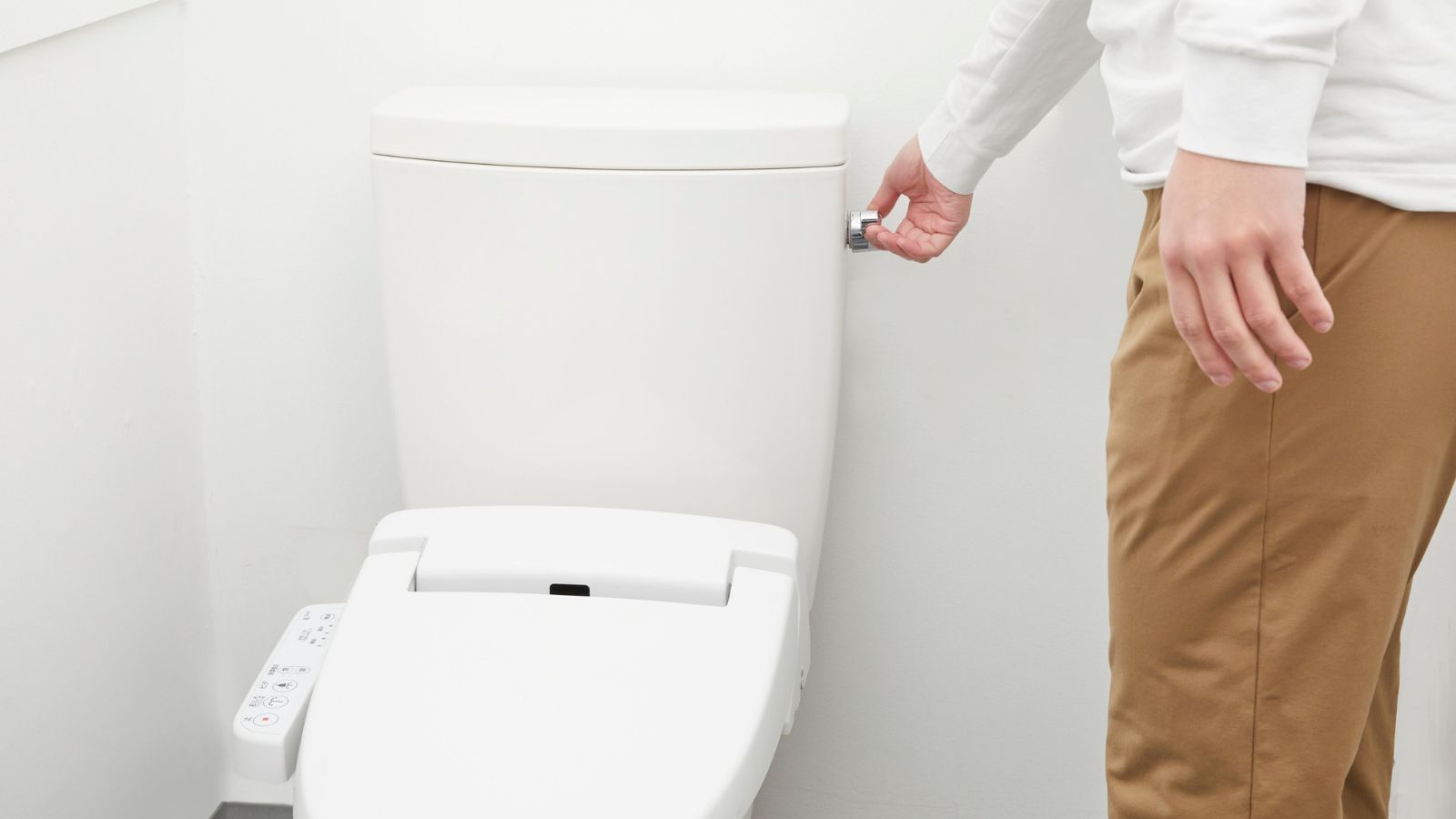
If your water service stops working, you may need additional water to flush toilets, provided local authorities confirm that your sewer or septic system is functioning safely. Depending on the circumstances, using non-drinking water for this purpose can help preserve your potable water supply.
Washing Dishes and Cooking Equipment
Preparing meals can create dirty dishes, utensils, and cookware that need to be cleaned. Having disposable plates and utensils available during a short-term emergency can help reduce the amount of water used for washing dishes.
Caring for Pets
Dogs, cats, backyard chickens, and other animals still need access to clean drinking water during emergencies. Calculate their needs separately rather than assuming your household’s existing water supply will cover everyone.
Personal Hygiene
Brushing your teeth, washing your face, and maintaining basic personal hygiene all require some water. Keeping wet wipes and other appropriate hygiene supplies on hand can help reduce water consumption during short-term disruptions.
Cleaning Up Spills and Messes
Accidents, spills, and everyday household messes don’t stop happening because the water has been shut off. Paper towels, cleaning wipes, and suitable cleaning supplies can help you manage smaller messes without using valuable drinking water.
Providing First Aid
Clean water may be needed to rinse minor wounds and carry out other basic first aid tasks. Having additional safe water and a properly stocked first aid kit can help you avoid using up your entire drinking water reserve.
Store Water Before You Actually Need It
Commercially bottled water is one of the easiest ways to begin building an emergency water supply. You can also use suitable food-grade containers, as long as you follow proper cleaning, storage, and replacement guidelines.
Keep stored water in a cool location away from direct sunlight and household chemicals. It’s also worth learning how to safely treat water during emergencies, since not every purification method removes every type of contaminant.
A few cases of bottled water might look like plenty when your faucets are working. But once that becomes your only source of water, you may be surprised by how quickly it disappears.