Canned foods are some of the easiest groceries to stockpile because of their long shelf life. However, not all canned foods are designed to maintain their quality for the same length of time.
According to the USDA, low-acid canned foods, such as beans, meat, and corn, have a recommended storage period of two to five years. High-acid canned foods, on the other hand, are best used within 12 to 18 months.
Although properly stored, undamaged commercial cans can remain safe beyond these recommended periods, prolonged storage, excessive heat, corrosion, and damaged containers can increase the risk of spoilage.
Here are nine canned foods you’ll want to rotate more frequently in your pantry.
Canned Tomatoes
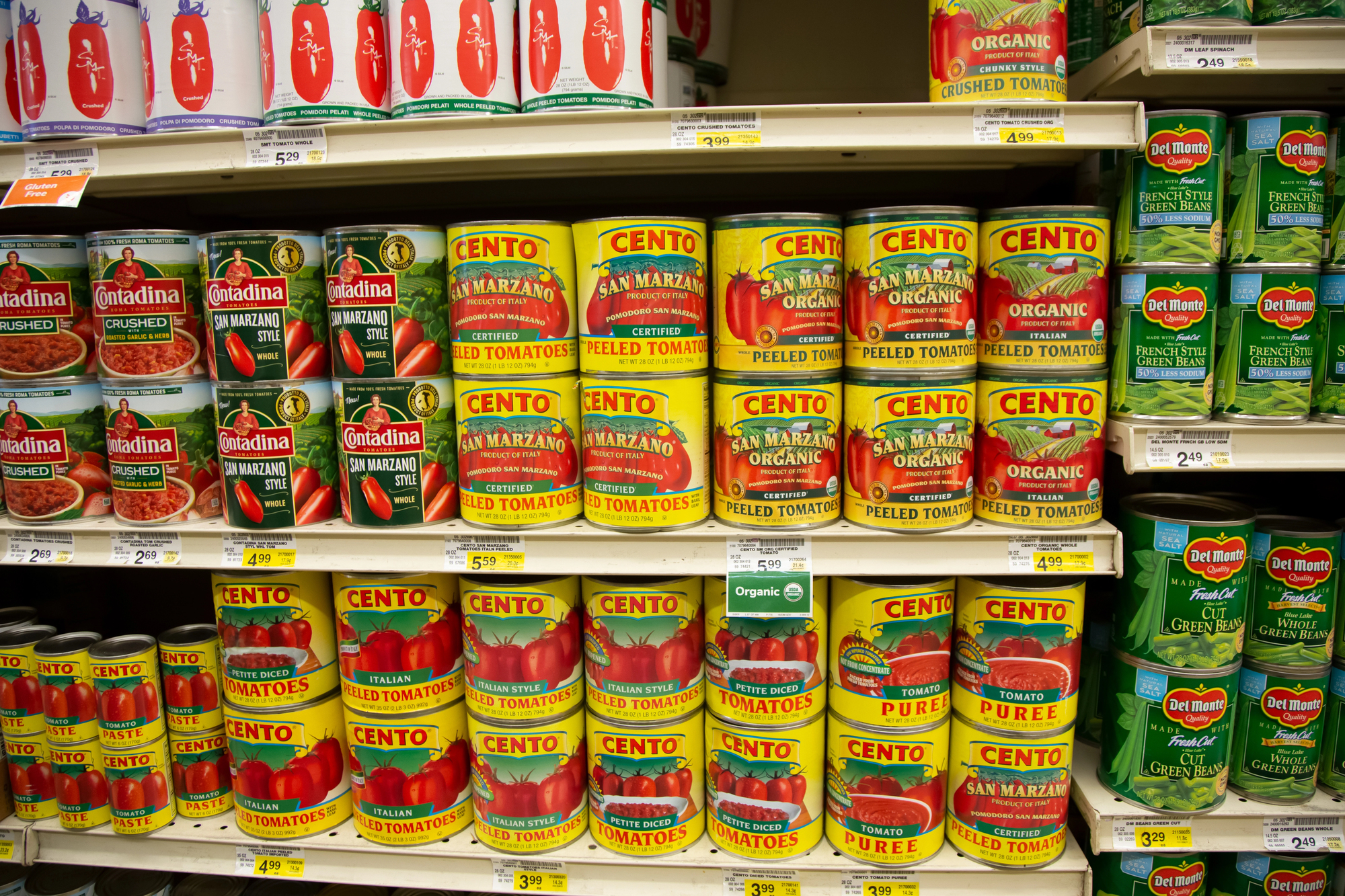
Canned tomatoes, including diced, crushed, and whole peeled tomatoes, are highly acidic. Over time, the natural acids in tomatoes can react with the metal container, affecting the food’s flavor, texture, and nutritional quality.
The USDA recommends using high-acid canned goods like tomatoes within 12 to 18 months for the best quality.
Tomato Juice
Like canned tomatoes, tomato juice has a relatively short recommended shelf life compared to many other canned goods. Prolonged storage can change its taste and quality.
Once opened, refrigerate tomato juice and use it within five to seven days.
Canned Pineapple
Pineapple’s naturally high acidity places it among canned foods best consumed within 12 to 18 months. Storing it for several years can change its flavor and texture.
If you frequently buy canned pineapple in bulk, use older cans before opening newer purchases.
Canned Peaches
Canned peaches are convenient to keep on hand for desserts, breakfasts, and snacks. However, even when packed in syrup, they fall into the USDA’s high-acid canned food category.
For best quality, use them within 12 to 18 months rather than letting them sit forgotten at the back of your pantry.
Canned Pears
Canned pears may have a milder flavor than other fruits, but they are still classified as high-acid canned foods. Their texture, flavor, and nutritional quality can gradually decline during prolonged storage.
Keep track of how long you’ve had them, especially if you’re purchasing them as part of an emergency food supply.
Canned Berries
Canned strawberries, blueberries, raspberries, and other berries are also considered high-acid foods. While they offer a convenient alternative to fresh fruit, they aren’t necessarily ideal for a stockpile you rarely rotate.
Plan to use them within 12 to 18 months for the best quality.
Canned Grapefruit
Grapefruit is another acidic fruit with a shorter recommended storage period than canned vegetables, beans, and meats.
If you’re keeping canned grapefruit in your emergency pantry, store it in a cool, dry location and regularly rotate it into your everyday meals.
Pickles
Although vinegar is commonly used to preserve food, commercially canned pickles still fall within the 12-to-18-month recommended storage window for high-acid foods.
Over time, pickles can lose their characteristic crunch and flavor. Follow the manufacturer’s refrigeration and storage instructions once the container has been opened.
Canned Sauerkraut
Despite being a fermented food, canned sauerkraut isn’t something you should assume will maintain its quality indefinitely. Its natural acidity places it in the same storage category as canned tomatoes and fruits.
If you stock up on sauerkraut, purchase quantities you can reasonably use and rotate within 12 to 18 months.
When Does Canned Food Become Unsafe?
An older date on a commercially canned product doesn’t automatically mean the food is unsafe. However, the condition of the container and how it has been stored are important factors.
Do not use canned goods that show signs of damage, including:
- Bulging or swollen cans
- Leaking containers
- Heavy rust or corrosion
- Deep dents, particularly along the seams
- Damaged or compromised seals
Never taste food from a suspicious can to determine whether it’s safe to eat.
Where You Store Canned Food Matters
Exposure to excessive heat and moisture can shorten the shelf life of canned food and increase the risk of spoilage. Temperatures above 100 degrees Fahrenheit are particularly harmful, while storage temperatures below 85 degrees Fahrenheit are preferable.
Keep canned goods in a cool, dry pantry, away from stoves, damp basements, garages, and other areas exposed to extreme temperatures.
Check your pantry every few weeks and make a habit of using older products first. Building a well-stocked pantry is useful, but regularly rotating those supplies is just as important as buying them in the first place.