One habit many preppers share is finding useful ways to reuse things other people might throw away. An empty jar, an old T-shirt, or yesterday’s newspaper may look like trash, but these everyday items can still come in handy at home.
Saving things you can reuse helps cut waste and keeps you from buying supplies for every little task. Before tossing something in the bin, look at these 14 items and see whether they could serve another purpose.
Glass Jars
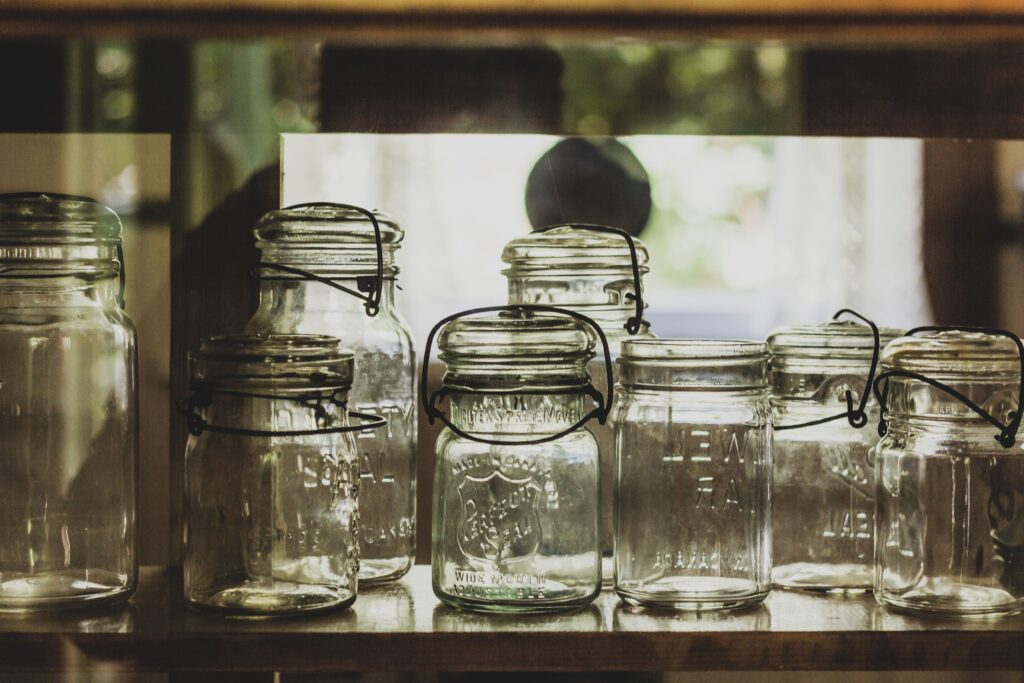
Empty pasta sauce, salsa, and pickle jars can become handy containers once you’ve washed them thoroughly and checked for chips or cracks. Use them to store dry foods, screws, buttons, sewing supplies, or craft materials, but use proper canning jars and tested instructions for shelf-stable home-canned food.
Related: 10 Items Every Homesteader Should Be Thrifting
Books
Old books can be useful long after you’ve finished reading them, especially titles about gardening, first aid, food preservation, home repairs, and outdoor skills. Keep practical guides that you may need to consult without internet access, along with a few favorite novels to read during a long power outage.
Newspapers
Yesterday’s newspaper can serve as packing material for fragile belongings, cover work surfaces during messy projects, or help start a small fire where it’s safe and permitted. Shredded newspaper can also go into some compost piles in modest amounts, provided it doesn’t contain glossy coatings or unsuitable materials.
Related: 14 Garage Items That Are Taking Up Valuable Space
Shoe Boxes
Shoe boxes are handy for keeping small supplies together rather than letting them scatter across drawers and shelves. Use them to sort batteries, first aid supplies, seed packets, craft materials, or hardware, and label each box so you can find things quickly.
Plastic Bags
Clean plastic shopping bags can be reused to line small wastebaskets, separate muddy shoes from clean clothing, or keep certain belongings away from dirt and moisture. They’re also useful as packing material, though they shouldn’t be treated as waterproof protection for anything that must stay completely dry.
Toothbrushes
An old toothbrush can still be useful for cleaning after you’ve finished using it. Keep one aside for scrubbing dirt from tool handles, reaching grime around faucets, or cleaning small crevices, and label it clearly so nobody accidentally uses it for oral care again.
Used Tea Bags
Used tea bags can go into a compost pile once they’ve cooled, provided the bags themselves are compostable and free of unsuitable materials. Some gardeners also reuse the tea leaves around plants, while cooled tea bags may serve as a brief eye compress if they’re clean and your skin tolerates them.
Related: 19 Dollar Tree Survival Items Worth Stocking Up On
Wine Bottles
Clean, empty wine bottles can become flower vases, candle holders, or decorative pieces around the home. They can also hold water for short-term use if they’re thoroughly cleaned and fitted with a suitable cap, though other containers are better for regular emergency water storage.
Old Clothing
Worn shirts, jeans, and other clothing don’t have to go straight into the trash if parts of the fabric are still in good shape. Cut them into cleaning rags, save buttons and zippers for repairs, or use sturdy fabric scraps for quilts and small sewing projects.
Coffee Grounds: Add used
Use coffee grounds to compost, where they contribute organic material as they break down. They may also help absorb odors in a small container or scrub sturdy cookware, but avoid using them on nonstick coatings and don’t rely on them to make soil acidic.
10 Ways to Use Coffee Grounds in the Garden
Bottle Cap: Save plastic
Plastic and metal bottle caps for small craft projects instead of throwing them away after one use. Turn them into game pieces, colorful mosaics, or components for handmade decorations, making sure sharp edges are removed or safely covered.
Styrofoam Containers
Clean foam containers can protect fragile belongings during storage or moving by providing lightweight cushioning. Some sturdy containers can also serve as temporary seed-starting trays if you add drainage holes, though they shouldn’t be used for growing edible plants if their material or prior use makes them unsuitable.
Related: The Everyday Items You’re Probably Stockpiling for No Good Reason
Mesh Bag: You can reuse
The mesh bags used for onions, garlic, and citrus to store dry produce or keep small household items together. They can also hold herbs while they dry as long as there’s enough airflow and the bags are clean and suitable for the task.
Soap Scraps: Collect
Small pieces of bar soap and place them in a soap-saving pouch so you can keep using them as they get smaller. You can also combine compatible scraps into a new bar using a suitable soap-making method, rather than throwing away the last bits.