There’s nothing more frustrating than buying a bunch of perfectly yellow bananas, only to find them covered in brown spots a couple of days later. You buy them thinking they’ll last the week, but suddenly, you’re trying to figure out how many loaves of banana bread you can make.
Bananas naturally ripen quickly, but where and how you store them can make a difference. They release ethylene gas, which encourages ripening, and warm temperatures can speed up the process even more.
If your bananas never seem to last as long as you’d like, a few simple changes to your shopping and storage habits can help.
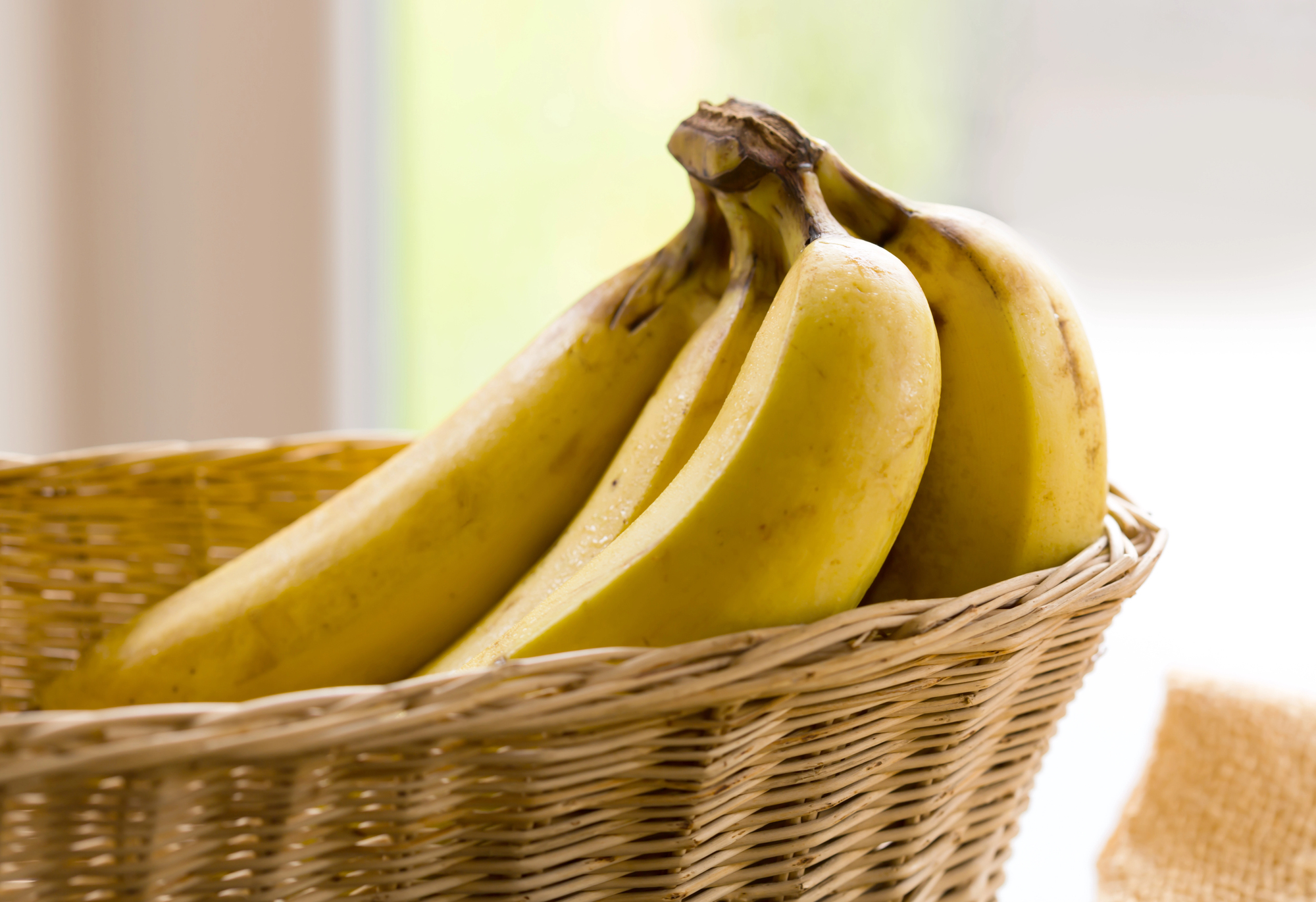
Buy Bananas at Different Stages of Ripeness
Instead of grabbing an entire bunch of yellow bananas, try buying a few that are still green. The yellow ones will be ready to eat immediately, while the greener bananas can ripen over the next several days.
This is especially helpful if you don’t eat bananas every day and want to avoid having an entire bunch become overripe at once.
Separate Bananas From the Bunch
If you usually leave your bananas attached to the bunch, try separating them and spreading them out on the counter. Giving each banana a little more space can improve airflow and reduce ethylene buildup around the fruit.
Separating them won’t stop ripening, but it may help prevent the fruit from getting crowded, especially in a warm kitchen.
Try Wrapping the Stems
You’ve probably seen people wrapping the tops of banana bunches with plastic wrap or aluminum foil. The idea is to reduce ethylene gas movement from the stem area and potentially slow ripening. You can wrap the crown of the entire bunch or cover the stems individually after separating the bananas.
Related: 18 Weird Survival Uses for Aluminum Foil
Keep Bananas Away From Other Ripening Fruit
If your bananas are sitting in a fruit bowl alongside apples, pears, avocados, or peaches, that could be contributing to the problem. Many fruits release ethylene gas, which can encourage nearby produce to ripen faster.
Try keeping bananas in their own bowl or in a separate area of the counter. This simple adjustment can help limit their exposure to extra ethylene.
Find a Cooler Spot in Your Kitchen
Where you leave your bananas matters more than you might think. A sunny windowsill, a counter next to the stove, or a spot near a warm appliance can cause them to ripen faster.
Choose a cool, shaded area with good airflow instead. You don’t need any special storage containers, just a place away from direct sunlight and excess heat.
Use a Banana Hanger to Prevent Bruising
If you’ve noticed that your bananas develop dark patches where they rest on the counter, pressure and bruising could be part of the problem. As bananas soften, they’re more likely to bruise, which can make the peel look brown.
A banana hanger keeps the fruit off hard surfaces and helps reduce pressure on the lower bananas. It won’t prevent natural ripening, but it can help keep them from bruising unnecessarily.
Refrigerate Bananas Once They’re Ripe
Many people avoid refrigerating bananas because the peels turn dark. However, once bananas reach the ripeness you prefer, refrigeration can actually help slow further ripening and keep the flesh usable longer.
The trick is to wait until they’re ripe before refrigerating them. Green bananas can experience chilling damage, which may interfere with normal ripening, so it’s better to let them turn yellow on the counter first.
Add Lemon Juice to Sliced Bananas
If your bananas look fine until you slice them, you’re dealing with a slightly different problem. Once the flesh is exposed to air, enzymatic browning can quickly discolor the slices.
A little lemon or lime juice can help slow that reaction and keep the slices looking fresher. This is particularly useful when preparing fruit salads, lunchboxes, or snacks ahead of time.
Freeze Bananas Before They Become Overripe
Sometimes, no matter what you do, you end up with more ripe bananas than you can eat. Rather than waiting until they’re too soft, peel them and store them in the freezer.
You can freeze them whole or cut them into slices for easier use later. They’re perfect for smoothies, pancakes, muffins, banana bread, and homemade frozen desserts.
Buy Fewer Bananas at a Time
Sometimes the easiest solution has nothing to do with storage. If you’re constantly throwing away brown bananas, you might simply be buying more than your household can eat before they ripen.
Consider buying three or four bananas instead of a large bunch, especially if you only eat them occasionally. A smaller purchase more often can mean less food waste and fewer bananas sitting forgotten on the counter.