An emergency can happen just about anywhere. You could be at work, visiting relatives, staying in a hotel, or halfway through a road trip when something unexpected throws off your plans.
Keeping a few emergency supplies with you can make those situations easier to handle. There’s no need to pack your entire bug-out bag, especially if you’re flying or trying to travel light, but a small pouch, backpack, purse, or toiletry bag can hold several useful items.
The goal is to have a few basics for common problems involving injuries, bad weather, food, water, communication, and personal comfort. Here are 18 items worth adding to your travel gear.
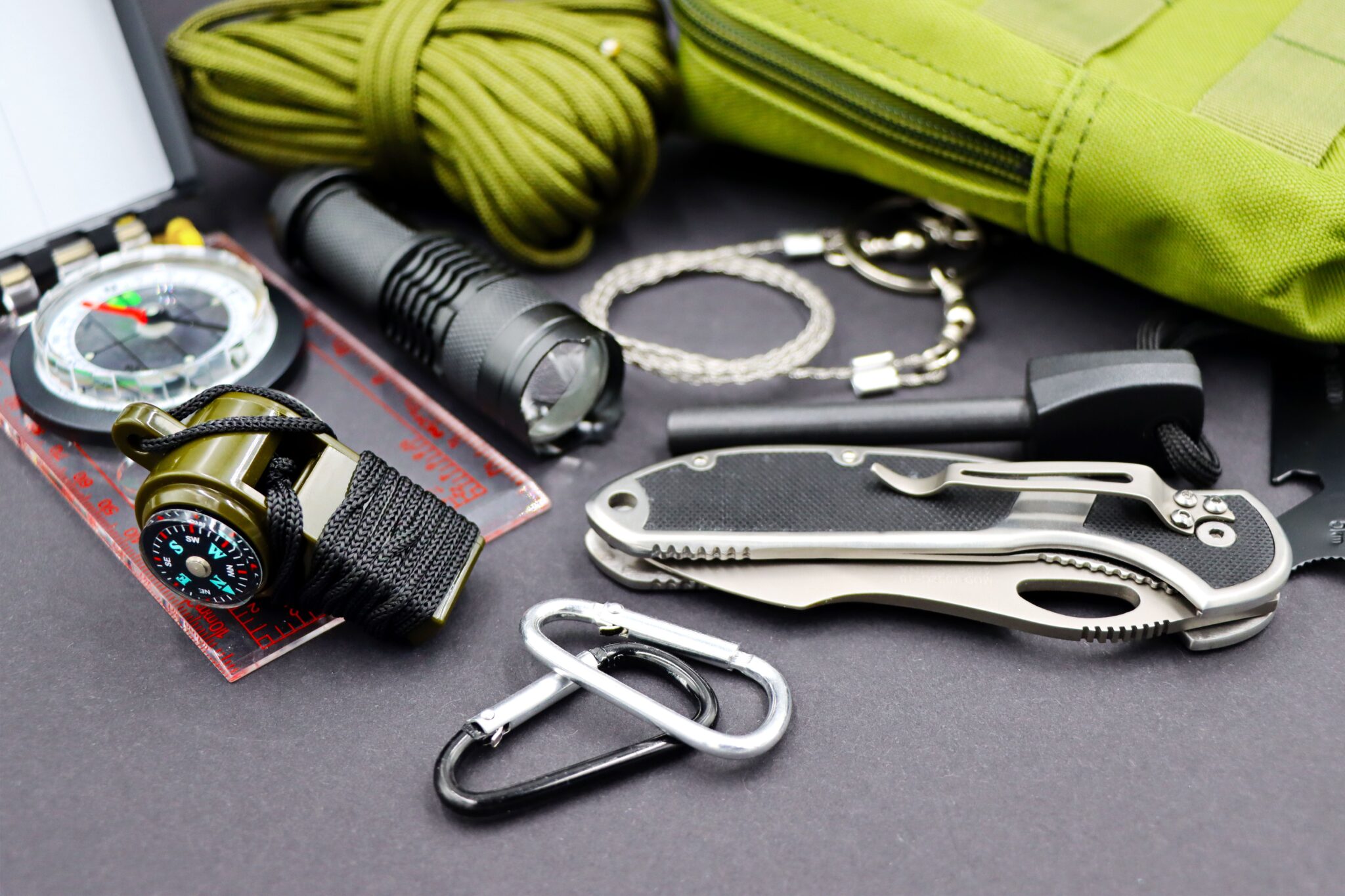
1. Hygiene Kit
A small hygiene kit can make a long delay or unexpected overnight stay much more pleasant. Pack a toothbrush, toothpaste, soap, hand sanitizer, and wet wipes.
Most of these items probably already travel with you, so putting together a separate backup kit saves you from gathering everything at the last minute. Keep it stocked and ready to grab before your next trip.
2. Compact Survival Kit
A small survival kit can fit inside a tin or pouch and hold several useful supplies. Depending on your plans, it might include fishing line and hooks, a fire starter, cordage, a small sewing kit, and basic first aid supplies.
An empty Altoids tin works well for a homemade kit that can slip into a backpack, glove compartment, or coat pocket. It won’t hold everything, but it gives you room for a few small items that could come in handy.
3. First Aid Kit
You don’t need a large medical bag for everyday travel, but having basic first aid supplies nearby can help with minor cuts, scrapes, blisters, and headaches. A compact kit can hold adhesive bandages, antiseptic wipes, gauze, tweezers, and pain relievers.
Bring enough prescription medication to cover your trip, along with a little extra in case of delays. Keep medications in their original labeled containers and store them somewhere safe and accessible.
4. Fire Starter
A fire starter can provide a way to make a fire for warmth, cooking, or signaling in certain emergencies. A lighter, waterproof matches, or magnesium fire starter may fit in your travel gear, depending on how you’re getting there.
Airline restrictions vary, so check current airport and carrier rules before packing anything intended to start a fire. Some items are prohibited in carry-on bags, checked luggage, or both.
Related: 15 Fire Starting Tricks to Ignite Your Survival Skills
5. Emergency Blanket
An emergency blanket takes up very little room and can help when you’re caught in cold or wet conditions. Its reflective material helps retain body heat, while the blanket can also provide a barrier between you and damp or chilly ground.
It may also serve as a temporary cover or help make you more visible when trying to attract attention. Keep one folded in a backpack, glove compartment, or emergency pouch.
6. Paracord
A few yards of paracord can help with securing equipment, tying down loose gear, making temporary repairs, or putting together a basic shelter. It’s lightweight and takes up little space in a travel bag.
Paracord bracelets and keychains offer another way to carry a short length without packing a separate bundle. Just remember that the amount of cord they hold is limited.
7. Multi-Tool or Swiss Army Knife
A multi-tool combines several small tools in one item, which can save room in your bag. Depending on the model, it may include scissors, pliers, screwdrivers, a bottle opener, and other handy features.
A Leatherman or Swiss Army Knife can be useful on road trips, camping trips, and for everyday repairs. Check airline and airport restrictions before traveling with a knife or multi-tool, since these items are generally not allowed in carry-on luggage.
8. Multi-Purpose Food
A few snacks can help if you get stuck in traffic, miss a meal, or have trouble finding food during a delay. Protein bars, nuts, jerky, and other shelf-stable foods are easy to pack and don’t require cooking.
Freeze-dried meals are another option for trips where you have room and access to hot water. Choose foods that can be eaten without preparation and that you already enjoy.
9. Portable Charger/Power Bank
A dead phone can leave you without access to directions, travel details, family contacts, or emergency calls. A charged power bank gives your phone and other compatible devices an extra source of battery life.
Pack the right charging cable and charge the power bank before leaving home. If you’re flying, check the airline’s rules for spare lithium batteries and power banks, which are generally required to travel in carry-on baggage rather than checked luggage.
10. Waterproof Clothing
A sudden rainstorm can leave you cold and uncomfortable, especially if you’re far from your hotel or vehicle. A lightweight rain jacket or compact poncho is easy to pack and can keep you dry without taking up much room.
Disposable ponchos are a low-cost option if you’re short on luggage space. A clean, heavy-duty trash bag can offer temporary rain protection in a pinch, though proper rain gear is a better choice for comfort and durability.
11. Portable Flashlight or Headlamp
A flashlight can be useful during a nighttime power outage, roadside problem, or unexpected delay. LED models provide good light while using relatively little battery power.
A headlamp is handy because it keeps both hands free, while a small keychain flashlight makes a convenient backup. Check the batteries before leaving, or pack a charged rechargeable model.
Related: 15 Habits Every Prepper Should Develop for Self-Sufficiency
12. Maps and Compass
GPS makes getting around easier, but phones and navigation devices depend on battery life and working networks. A paper map of your destination gives you another way to check your location and find a route.
A small compass takes up very little room and can help with direction if you know how to use it. Learn the basics before your trip rather than trying to figure them out after getting lost.
13. Cash and Small Change
A power outage or network failure can leave stores unable to process card payments. ATMs may also be unavailable, so carrying some cash gives you another way to pay for basic needs.
Keep smaller bills in a separate, secure spot in your travel bag. A few coins can also come in handy for vending machines, parking meters, and other small purchases.
14. Whistle
An emergency whistle can help you attract attention if you’re lost, injured, or unable to call for help. Its sound can carry farther than an ordinary shout, especially in outdoor areas.
A small whistle weighs almost nothing and can attach to a backpack, keychain, or zipper pull. Keep it somewhere you can reach without having to unpack your bag.
15. Sunscreen and Bug Repellent
Sunburn and insect bites can make an outdoor trip uncomfortable, especially if an unexpected delay keeps you outside longer than planned. A small bottle of sunscreen and insect repellent can help protect your skin.
Repellent wipes are a convenient option if you don’t want to pack a full spray bottle. Check the weather and insect conditions at your destination so you bring supplies that suit the area.
16. Duct Tape
Duct tape can help with quick fixes, including patching a torn backpack, securing loose equipment, and covering small tears. It’s useful to have around until you can make a proper repair.
A full roll may take up more space than you need, so wrap several feet around a small card or another compact object. That gives you a handy supply without adding much bulk to your luggage.
Related: 16 Practical Vaseline Uses Every Prepper Should Know About
17. Water Purification System
Access to safe drinking water can become a problem if you’re stranded or your usual water supply is unavailable. Purification tablets, portable water filters, and filtering straws are compact options that can fit into a small travel kit.
Each type works differently, so read the instructions and check which germs or contaminants the product can remove or treat. Never assume water is safe just because it looks clear.
Related: 10 Reliable Ways to Purify Water Every Prepper Should Know
18. Backup Identification
Losing your wallet, identification, or passport can create serious problems while traveling. Keep copies of your passport, government ID, travel insurance details, emergency contacts, and other important documents in a waterproof pouch.
Secure digital copies can provide another backup if your physical documents go missing. For international trips, check your destination’s entry and identification requirements before leaving.
A travel emergency kit doesn’t need to fill an entire suitcase. Choose supplies based on your destination, transportation, weather, and planned activities, then keep them together so they’re easy to find. A few well-chosen items can be a big help if your trip takes an unexpected turn.