Mosquitoes can spoil a relaxing evening outdoors, whether you’re grilling dinner, tending the garden, or sitting on the porch. Some herbs and flowers contain fragrant oils that are used in insect-repellent products, but planting them alone won’t reliably keep mosquitoes away.
These plants can still make lovely additions to your yard, adding color, fragrance, and fresh herbs for your kitchen. Pair them with measures like removing standing water and using an EPA-registered insect repellent when needed for better bite protection.
Lemon Balm
Lemon balm has a fresh, lemony scent and grows well in garden beds or containers. It spreads readily, so growing it in a pot can help keep it from taking over nearby plants, though having it nearby won’t reliably protect against mosquitoes.
Related: Grow Better Eggplants With These Helpful Companion Plants
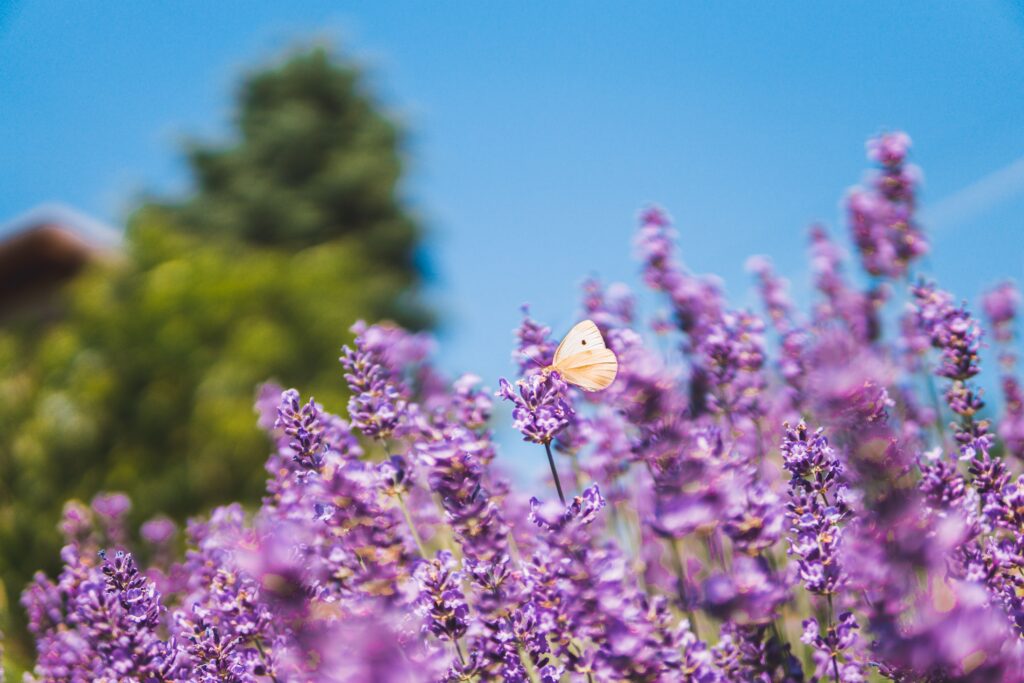
Lavender
Lavender is loved for its fragrant purple flowers, silvery-green foliage, and ability to attract pollinators. Plant it in a sunny spot with well-drained soil, and enjoy its scent near patios and walkways without relying on it as your only way to keep mosquitoes away.
Citronella Grass
Citronella grass is known for its citrus-like fragrance and for the oils used in some mosquito-repellent products. It grows best in warm, sunny conditions, and placing a plant beside your patio may add a pleasant scent, but the growing plant itself shouldn’t be expected to repel mosquitoes reliably.
Related: Keep These Plants Away From Your Raspberry Patch
Peppermint
Peppermint has a strong, fresh aroma and grows readily in pots, making it a handy herb for patios and outdoor seating areas. Because it spreads quickly through underground stems, a container is usually the easiest way to keep it under control, and it won’t keep mosquitoes at bay on its own.
Rosemary
Rosemary is a fragrant cooking herb with needle-like leaves that grows well in sunny spots with good drainage. Keep a pot near your outdoor cooking area for fresh sprigs, but don’t depend on the plant itself to prevent bites during mosquito season.
Related: 12 Backyard Plants That Help Attract Bluebirds Naturally
Lemongrass
Lemongrass has tall, arching leaves and a citrus scent, and its oils contain citral, a compound used in some fragrance and insect-repellent products. Give it warmth, sunlight, and a roomy container, then harvest the stalks for soups, curries, marinades, and tea.
Marigold
Marigolds bring bright yellow, orange, and red flowers to garden beds, borders, and containers throughout the warm months. Their scent is sometimes associated with insect deterrence, but marigolds planted around a yard won’t reliably protect against mosquito bites.
Eucalyptus
Eucalyptus trees and shrubs have aromatic leaves that contain oils used in some commercial insect-repellent products. If you live in a colder climate, you can grow a suitable variety in a pot and move it indoors during winter, but keeping eucalyptus nearby won’t replace a tested repellent.
Related: 12 Green Plants That Help Absorb and Reduce Household Odors
Geranium
Geraniums brighten porches, patios, and flower beds with colorful blooms that can last through much of the growing season. Scented varieties have aromatic leaves, but their fragrance alone doesn’t reliably control mosquitoes, so enjoy them mainly for their looks and scent.
Catnip
Catnip contains nepetalactone, a compound that research has shown has mosquito-repelling activity, especially in concentrated forms. The plant is easy to grow but can spread quickly, and it may attract neighborhood cats, so keep it in a pot if you want to limit its growth.
Basil
Basil provides fragrant leaves for pesto, pasta, salads, and other summer meals, and it grows well in pots near the kitchen or outdoor dining area. Its aromatic oils have been studied for insect-repelling properties, but growing basil nearby won’t reliably prevent bites, so use proven protection when mosquitoes are active.
Related: 15 Survival Plants You Can Turn Into Flour in an Emergency
Bee Balm
Bee balm produces bright flowers in shades of red, pink, purple, and lavender, while its mint-like fragrance adds interest to the garden. Bees, butterflies, and hummingbirds visit its nectar-rich blooms, making it a good choice for a pollinator garden, though it shouldn’t be counted on to keep mosquitoes away.
Aromatic plants can make outdoor spaces more enjoyable, but they work best as part of a broader plan rather than as a stand-alone mosquito deterrent. To reduce mosquito bites, empty containers and other objects that collect water, maintain screens, and use a registered repellent when needed.