Watching birds visit your yard is one of the simple pleasures of spending time outdoors. Whether a cardinal sings from a tree, a finch pecks at seeds, or a woodpecker searches for insects, these visitors bring life and movement to your garden.
Birds can also help with some of the work that goes into maintaining a healthy yard. Many eat insects that damage plants, spread seeds to new areas, or pollinate flowers as they search for nectar, making them welcome visitors.
Here are 12 birds worth looking for if you’d like to encourage more wildlife in your backyard.
American Robin
American Robins are familiar backyard visitors, especially in spring when they’re often seen hopping across lawns in search of earthworms. They also eat beetles, caterpillars, and berries, helping keep some insect populations in check while spreading seeds from the fruits they consume.
Related: 15 Red Birds That Will Captivate Your Garden
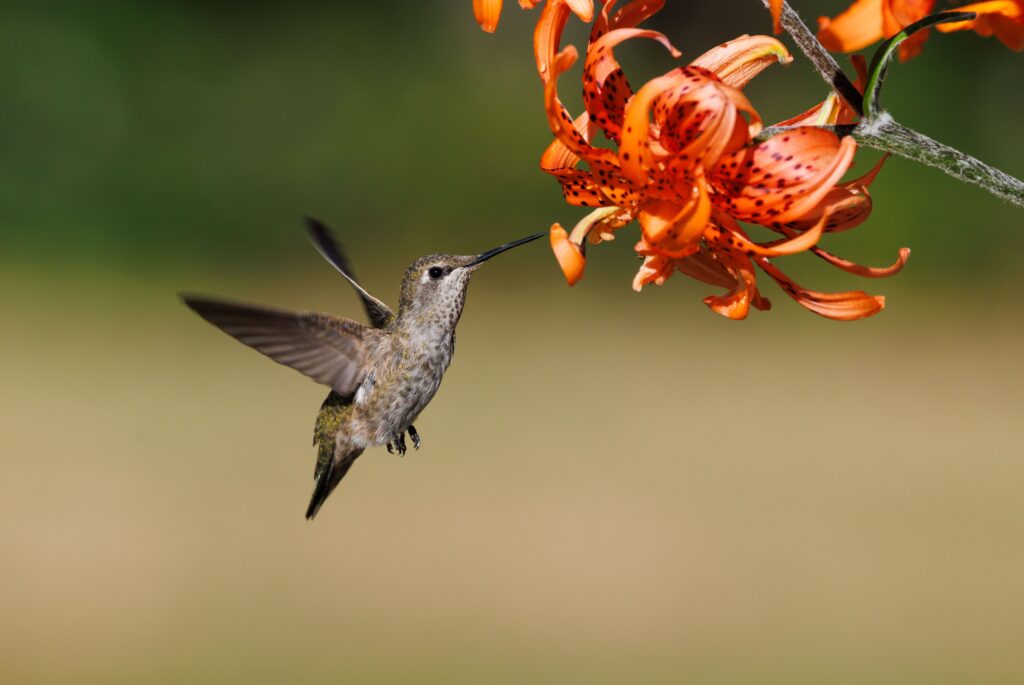
Hummingbirds
Hummingbirds visit nectar-rich flowers throughout the day, and pollen can stick to their bills and feathers as they move between blooms. They also catch small insects and spiders, which provide protein that nectar alone can’t supply.
Northern Cardinal
Northern Cardinals bring bright red plumage and cheerful songs to gardens, while their diet includes seeds, berries, and other plant foods. As they eat fruit and travel around, they can carry or deposit seeds in new places, helping some plants grow beyond their original spots.
Related: Why Birds Keep Choosing Your Roof as Their Nesting Spot
Blue Jay
Blue Jays are known for collecting acorns and burying them for later meals. Some of those hidden acorns are never recovered, giving them a chance to sprout into new oak trees.
Chickadee
Chickadees spend much of their day searching leaves, twigs, and branches for insects and other small creatures. During nesting season, parents gather large numbers of caterpillars to feed their young, which can help limit insect damage to trees and shrubs.
American Goldfinch
American Goldfinches are easy to spot in summer thanks to the bright yellow feathers of breeding males. They feed heavily on seeds from plants such as thistles, sunflowers, and asters, and their visits can bring a lively burst of color to a garden.
Related: 11 Beautiful Birds to keep an eye out for this winter
Mourning Dove
Mourning Doves often feed on the ground, picking up seeds from grasses, weeds, and other plants. Their gentle cooing and calm behavior make them familiar visitors, and a clean, open feeding spot can give them room to forage.
Woodpecker
Woodpeckers search tree trunks and branches for beetles, ants, larvae, and other insects hidden beneath bark or in wood. They also create nesting cavities that other birds and small animals that can’t make their own holes may later use.
Eastern Bluebird
Eastern Bluebirds feed on insects such as beetles, grasshoppers, and crickets, making them useful visitors during the warmer months. A properly placed nesting box can give them a place to raise their young, provided it suits local bluebird species and is kept in good condition.
Barn Swallow
Barn Swallows catch flying insects while swooping and gliding through the air, often feeding over open fields, ponds, and yards. Their diet includes flies, beetles, and other airborne insects, and watching them skim across the sky can be a treat on a warm evening.
Related: 10 Bird Feeder Mistakes That Could Put Wild Birds at Risk
Cedar Waxwing
Cedar Waxwings eat a lot of fruit and berries, especially when these foods are abundant. As they move between shrubs and trees, they spread seeds through their droppings, helping some berry-producing plants grow in new places.
House Wren
House Wrens are energetic little birds that search for beetles, caterpillars, spiders, and other small invertebrates among plants and garden structures. They may nest in suitable birdhouses, so providing a properly sized box and keeping cats away can make your yard more welcoming.
Encouraging birds to visit doesn’t take much work, just a few thoughtful choices in your yard. Native plants, clean water, suitable nesting spots, and safe feeding areas can provide food and shelter for local species while giving you more chances to enjoy their visits.