Hydrogen peroxide is one of those inexpensive household staples that often sits in the bathroom cabinet and gets pulled out only for first aid. But the familiar brown bottle can also be useful for several cleaning and gardening tasks.
The key is using it in the right place and at the right concentration. Standard 3%
If you’ve only been using
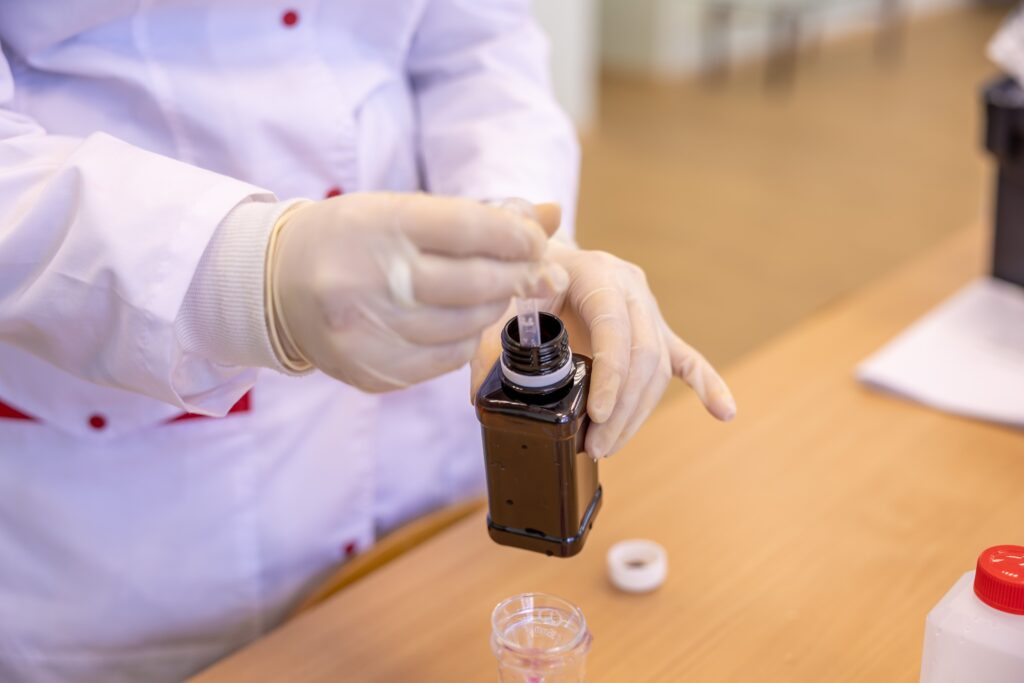
Disinfect a Cutting Board
Hydrogen peroxide can be useful for cleaning certain cutting boards, particularly after preparing foods that leave behind bacteria. Start by washing the board with hot, soapy water to remove food residue.
Once the surface is clean, you can apply 3%
Related: How to Clean a Wood Cutting Board
Remove Certain Stains
Hydrogen peroxide can help with some organic stains, including blood and certain food stains. Since it can bleach or discolor some fabrics and surfaces, test it on a hidden area before treating the stain.
Apply a small amount of 3%
Help With Root Problems in Houseplants
Some gardeners use diluted
Still,
Wash Fruits and Vegetables Properly
Fresh produce should be washed under clean running water before eating or preparing it.
For leafy greens, berries, vegetables, and other produce, rinse them thoroughly and remove any visible dirt. Keep raw produce separate from raw meat and poultry during food preparation.
Clean Tile Grout
Dirty grout can make an otherwise clean bathroom or kitchen look dingy.
Apply 3%
Deal With Small Areas of Mold
Hydrogen peroxide can help clean small areas of mold on some hard, nonporous surfaces. Spray 3%
Wear
Freshen Your Toilet Bowl
For routine toilet cleaning, a bathroom cleaner made for the job is usually the easiest option. If you already have 3%
Apply it to the bowl, let it sit for a few minutes, then scrub with a toilet brush and flush. Never combine
Control Weeds
Hydrogen peroxide can damage plant tissue, which is why some gardeners use it on unwanted weeds. It isn’t a selective weed killer, though, so spray carefully and keep it away from plants you want to keep.
For a larger weed problem, physical removal, mulch, or another gardening method may be a better choice.
Related: 12 Natural Ways to Get Rid of Weeds in Your Garden
Help Seeds Get a Better Start
Some gardeners soak seeds in a diluted
Results can vary by plant and seed type, so don’t assume every seed will benefit from peroxide. If you try it, use a properly diluted solution rather than applying undiluted household peroxide directly to the seeds.
Clean Used Plant Pots
Old plant pots can carry soil residue, algae, fungi, and other contaminants from previous plants. Wash the pots with soap and water first to remove dirt.
After rinsing, 3%
Clean Garden Tools
Garden
Wash visible dirt from the tools first, then wipe or spray them with 3%
Related: Protect Your Tomatoes From 15 Pests That Can Wreak Havoc on Your Crop
Clean Certain Household Surfaces
Hydrogen peroxide can be useful on some hard, nonporous household surfaces. It can help clean areas such as bathroom counters, sinks, and other washable surfaces, provided the material can safely handle it.
Apply 3%
Freshen a Smelly Sink or Drain
A sink drain can collect food residue and develop an unpleasant odor. Before reaching for
A small amount of 3%
Clean a Humidifier
Humidifiers can develop mineral deposits and microbial buildup if they aren’t cleaned regularly. Some manufacturers recommend
Check your humidifier’s manual before using peroxide. If the manufacturer permits it, use the recommended amount of 3%
Hydrogen peroxide is handy, but it isn’t a universal cleaner. Stick with 3% household peroxide for ordinary home use, read the care instructions for the item you’re cleaning, and never mix it with bleach, vinegar, ammonia, or other cleaning chemicals. A little caution goes a long way with this simple household staple.
Other Topics You Might Like
- 10 Strange Things That Are Surprisingly Smart to Stockpile
- How to Clean a Wood Cutting Board
- 15 Safe Ways to Clean a Cast Iron Skillet Without Ruining the Seasoning
- 12 Things Professional Organizers Would Never Store Under the Kitchen Sink
- 12 Small Habits That Make a Big Difference in Keeping Your Home Clean