Prepping isn’t some new idea that suddenly appeared in recent years. For generations, families found ways to store food, stretch what they had, repair broken things, and get through periods when supplies were hard to find. A lot of those habits faded as modern conveniences made everyday life easier.
That doesn’t mean those old skills have lost their value. If anything, knowing how to preserve food, store water, cook without electricity, or make use of what you already have can come in handy during a power outage, supply shortage, storm, or other emergency.
Whether you’re new to prepping or already have a well-stocked homestead, these simple tricks can help you get more use out of the supplies you already have.
Store Food Long-Term in Mylar Bags
Mylar bags are a favorite for long-term food storage because they help keep out light, oxygen, moisture, and insects. With the right food and storage conditions, they can help pantry staples last for years.
Rice, beans, flour, oats, and other dry foods can be stored in Mylar bags with oxygen absorbers and then sealed tightly. Thicker bags are a good choice for long-term storage, especially if they’ll be handled or moved around.
Label every bag with the food and storage date. It makes rotating your supply much easier later.
Related: 14 Budget-Friendly Prepper Essentials You Can Find Secondhand
Vacuum-Seal What You Can
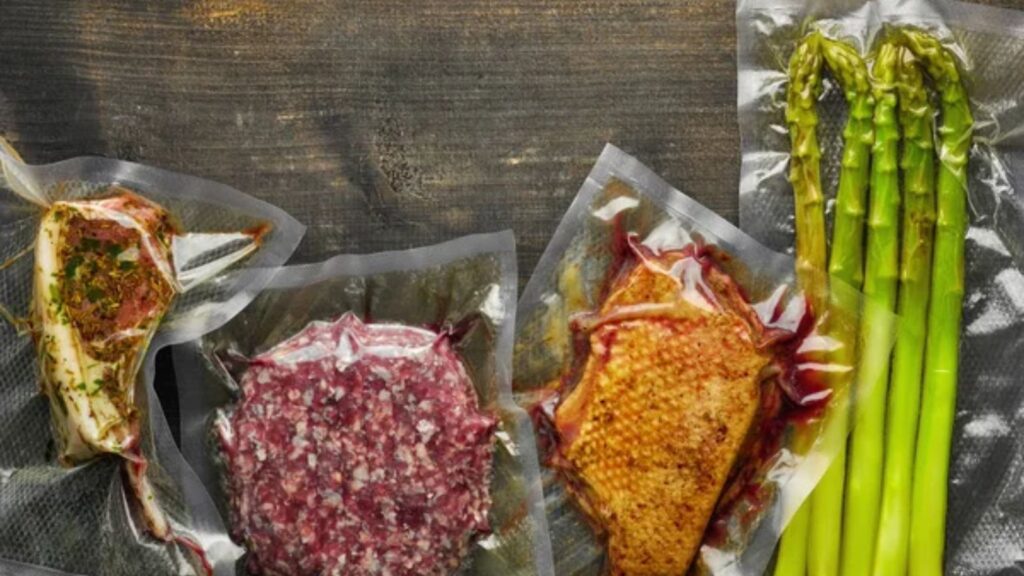
A vacuum sealer can be incredibly handy if you’re storing food for the freezer, pantry, or emergency supplies. Removing much of the air from a package helps slow spoilage and freezer burn.
Use it for dried foods, dehydrated meals, seeds, and meat going into the freezer. It can also shrink bulky packages down, giving you more room in your pantry or freezer.
Just keep in mind that vacuum sealing doesn’t make every food shelf-stable. Perishable foods still need proper refrigeration or freezing.
Repurpose 2-Liter Bottles for Water Storage
Before tossing an empty 2-liter soda bottle into the recycling bin, consider giving it another job. Clean, food-grade bottles can be useful for storing water for non-drinking purposes.
They can come in handy for flushing toilets, cleaning, watering animals, or other household chores during a water interruption. Store filled containers somewhere cool and away from direct sunlight.
For drinking water, use containers specifically intended for water storage and follow recommended sanitation and storage practices.
Related: 16 Prepper Essentials to Find at the Goodwill Store
Go Solar With Everyday Essentials
A few inexpensive solar items can be surprisingly useful during a blackout. Solar lanterns, pathway lights, chargers, and radios can provide light or help keep small electronics running without relying entirely on batteries.
Solar pathway lights are especially handy. During an outage, bring them inside at night for a little extra light, then put them back outside during the day to recharge.
Keep a few in an easy-to-reach spot rather than buried in a storage bin. There’s nothing worse than searching through a dark house for a flashlight.
Build or Buy a Rocket Stove
A rocket stove can provide a simple way to cook outdoors using small pieces of wood. They’re compact and can burn twigs and other small pieces of dry fuel.
You can buy a purpose-built model or make a basic version from suitable materials. If you plan to rely on one during an emergency, practice using it beforehand. Cooking over a small stove takes some getting used to, especially if you’re accustomed to a regular kitchen range.
Always use outdoor-burning stoves in a safe, well-ventilated area and away from structures.
Related: 12 Prepper Finds You Should Never Pass Up at Flea Markets
Use a Root Cellar for Natural Food Storage
You don’t need a huge underground room to benefit from old-fashioned food storage methods. A cool, dark, humid space can help certain fruits and vegetables last much longer than they would sitting on the kitchen counter.
Potatoes, carrots, onions, apples, and other crops can often be stored for months under the right conditions. Some people use traditional root cellars, while others create smaller storage areas in basements or other cool spaces.
The trick is knowing which crops can be stored together and keeping an eye out for spoilage.
Raise Chickens for Eggs, Meat, and More
A small flock of chickens can provide fresh eggs and, depending on your setup and local regulations, meat. Chickens also spend their days scratching around the yard and eating many insects and weeds.
Their manure can be composted and later used in the garden once properly aged. You don’t need a huge flock to get started, either. A few hens can provide a steady supply of eggs for a household.
Just make sure you have a reliable source of feed and clean water before bringing chickens home. Keeping livestock still requires planning when stores are closed or supplies become harder to find.
Related: 15 Must-Have Prepper Gear You Can Find at Estate Sales
Make Your Own Vinegar
Vinegar has plenty of uses around the house. It can be used in cooking, pickling, cleaning certain surfaces, and making simple homemade solutions.
Fruit scraps can be used in some homemade vinegar recipes, which gives kitchen waste another purpose. Apple scraps, for example, can be fermented into apple vinegar.
If you plan to make vinegar yourself, follow a tested recipe and proper fermentation practices. Homemade vinegar can vary in acidity, so don’t assume it has the same acidity as commercial vinegar for food preservation.
Collect 5-Gallon Buckets for Everything
A stack of sturdy 5-gallon buckets can come in handy for far more than storing things. They can carry water, hold gardening supplies, transport feed, store certain dry goods, or serve as containers for household projects.
Food-grade buckets with appropriate lids can also be useful for food storage. Keep separate buckets for food and non-food uses so you don’t accidentally mix the two.
Check local bakeries, restaurants, and food businesses to see if they give away clean, used buckets. You might be able to build a collection without spending much money.
Create a Seed Bank
Seeds are one of the easiest supplies to overlook until you need them. Set aside seeds from vegetables you already grow and learn how to properly dry and store them.
Keep seeds in labeled envelopes, jars, or other airtight containers in a cool, dry place. Write the variety and year on each package so you know what you have.
Heirloom and open-pollinated varieties can be especially useful if you plan to save seeds from one season and plant them again the next. Trading seeds with friends, family, or fellow gardeners can also give you access to varieties you haven’t tried before.
Use Coffee Filters for More Than Coffee
Coffee filters take up very little space and cost very little, which makes them an easy item to keep in an emergency supply box.
They can be used as a temporary strainer, placed under seedlings during certain gardening projects, used to hold small snacks, or even used for quick cleanup jobs. They’re also useful for separating small particles from liquids, although they should not be treated as a substitute for a proper water purification system.
A few extra packs tucked away in a pantry can end up being surprisingly useful.
Set Up a Rainwater Collection System
Rainwater can provide a handy supply for gardening, cleaning, and other non-drinking needs. A rain barrel connected to a gutter downspout is one of the easiest ways to collect it.
Keep the collection container covered to reduce the chance of mosquitoes and debris getting inside. Local rules about rainwater collection vary, so check what is allowed in your area.
If you plan to use collected rainwater for drinking, you’ll need a proper treatment system. Adding household bleach at random is not a safe substitute for a tested purification method.
Keep Canning Supplies Ready
There’s little point in growing a huge garden if you have no way to preserve what you harvest. Keeping canning jars, lids, bands, and the right equipment on hand means you can start preserving food as soon as the garden begins producing.
Pressure canning is needed for low-acid foods such as meats and many vegetables, while water-bath canning works for high-acid foods when used with tested recipes.
Keep extra lids available, since they’re generally intended for one-time use. Check jars for cracks and chips before using them, too.
Related: Preserving Fruits and Vegetables for Long-Term Storage With Food Dehydration
Hang a Clothesline
A clothesline may seem old-fashioned, but it’s one of those simple household tools that never really stopped being useful.
It costs very little to set up and doesn’t require electricity. That makes it especially handy during power outages, but it can also help lower everyday laundry costs.
You can use a clothesline for laundry and, with proper food-safety practices, certain herbs or other items that need to be air-dried. Keep clothespins and a few replacement lines stored with your laundry supplies so you’re ready to use it whenever needed.
Learn to Make Your Own Soap
Learning basic soapmaking can give you another way to make household cleaning products when store-bought supplies aren’t readily available. Traditional soap can be made from fats or oils, water, and lye.
Lye is caustic and can cause serious burns, so soapmaking requires proper equipment, accurate measurements, good ventilation, and careful handling. Never substitute ingredients by guesswork.
Once you learn the process and follow a reliable recipe, homemade soap can become a useful addition to a self-reliant household. It can also be a practical hobby that gives you more control over some of the products you use every day.