Our great-grandparents handled plenty of everyday tasks that most of us rarely have to think about anymore. They baked bread without a machine, preserved food without a freezer full of convenience meals, fixed household problems themselves, and knew how to make good use of whatever they had.
Modern conveniences have made life much easier, but they’ve also meant that some of those old skills have faded away. A lot of us could get by perfectly well on a normal day, yet struggle if the power went out, the grocery store was closed, or a basic household repair suddenly became necessary.
These are 18 practical skills our great-grandparents often learned simply because they had to. They’re still useful today, especially if you’re trying to become a little more self-reliant.
1. Baking Bread From Scratch
Bread was a regular part of many households, and making it from scratch was simply part of putting food on the table. Flour, yeast, water, and a little salt are enough to make a basic loaf, though getting the texture right takes some practice.
Our great-grandparents didn’t have bread machines to do the kneading or timers to tell them exactly when the dough was ready. They learned to judge it by feel and experience.
Being able to bake a decent loaf from basic ingredients is a handy skill if store-bought bread isn’t available.
Related: How to Make White Bread in a Bread Maker
2. Canning and Preserving Food
A garden can produce far more food than a family can eat at once. Before modern refrigeration and grocery stores made fresh food available year-round, preserving that harvest was a regular part of the year.
Canning allowed families to put tomatoes, beans, fruits, jams, and other foods away for later. Those jars could then be pulled from the pantry during winter or whenever fresh produce was scarce.
Learning proper canning methods gives you another way to make good use of a garden harvest and build up a supply of food at home.
3. Remembering Phone Numbers
Most of us couldn’t tell you the phone numbers of more than a handful of people without checking our phones. Our great-grandparents had a different system.
People memorized important numbers or wrote them down in an address book. A phone book or Rolodex could hold a surprisingly useful collection of names, numbers, and addresses.
Knowing a few important numbers by heart may seem old-fashioned, but it can still help if your phone is lost, dead, or unavailable.
4. Basic Natural First Aid
Families once kept a much closer eye on the plants and simple remedies available around them. People knew which herbs were commonly used for minor ailments and how to deal with everyday cuts, burns, bruises, and other small injuries.
Some traditional remedies have limited evidence behind them, so they shouldn’t replace proper medical care. Still, knowing basic first aid, recognizing when an injury needs professional attention, and keeping a few useful supplies around can make a big difference during an emergency.
5. Raising Animals for Food
Keeping a few chickens, rabbits, goats, or other livestock was once common in many rural households. Animals could provide eggs, milk, meat, wool, or other useful products.
Our great-grandparents also had to learn the daily work that came with keeping animals healthy: feeding them, providing shelter, watching for illness, and protecting them from predators.
You don’t need a full farm to learn these skills. Even keeping a small flock of chickens can teach you a lot about producing some of your own food.
Related: Why Raise Backyard Chickens?
6. Growing a Home Garden
A vegetable garden was once a normal part of household life. Families grew whatever suited their climate and soil, then used the harvest fresh or preserved it for later.
Growing your own food takes more than putting seeds in the ground. You need to know when to plant, how much to water, how to deal with pests, and which crops will actually grow well where you live.
Even a small garden can provide herbs, greens, tomatoes, peppers, or other vegetables while giving you a useful skill that doesn’t depend on a grocery store.
Related: How to Start a Herb Garden from Scratch
7. Cooking Without Modern Appliances
Our great-grandparents didn’t have air fryers, electric pressure cookers, bread machines, or microwaves sitting on the kitchen counter.
They cooked with wood stoves, cast-iron pans, Dutch ovens, and open fires. They learned how to control heat by sight and experience rather than relying on a digital temperature display.
Learning a few old-fashioned cooking methods can be useful during a power outage. It also gives you more options for preparing simple meals with basic ingredients.
Related: 30 Dutch Oven Soup Recipes
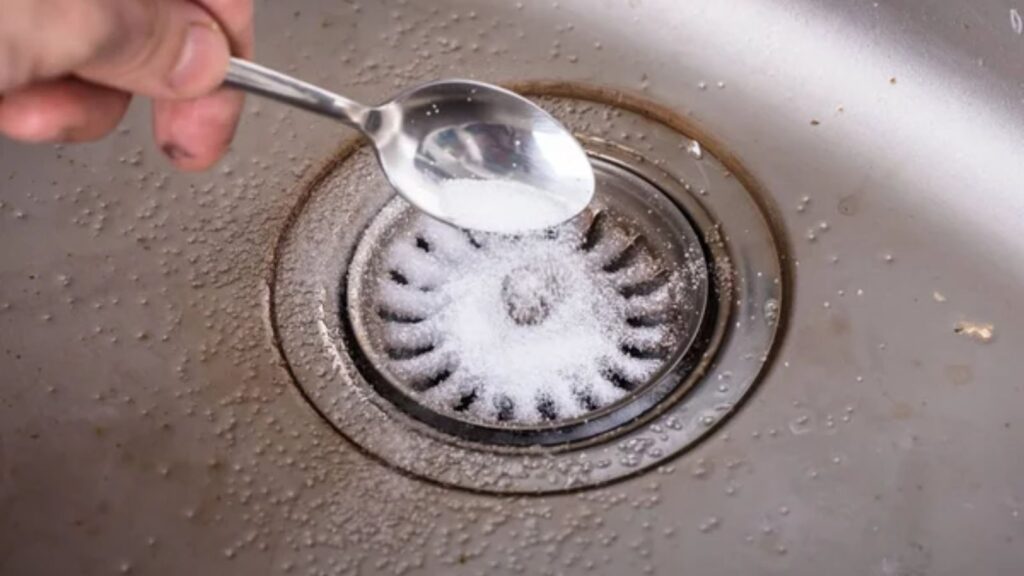
8. Fixing a Clogged Sink
Calling a plumber wasn’t always the first response to a clogged drain. People often learned how to handle small household problems themselves.
Knowing how to remove and clean a trap, clear a simple blockage, or take apart a drain can save a trip to the hardware store or a service call.
You don’t need to become a plumber. A basic knowledge of household repairs can make everyday problems much less stressful.
Related: Survival Skills for a Food Shortage
9. Cooking From Scratch
Cooking from scratch was simply how meals were made. Instead of reaching for a packaged dinner, families worked with flour, eggs, vegetables, meat, beans, grains, and whatever else was available.
This kind of cooking also makes it easier to stretch a limited supply of food. A pot of beans can become soup, a side dish, or part of another meal. Leftover vegetables can end up in a stew or casserole.
You don’t need complicated recipes. Knowing how to turn basic ingredients into filling meals is the part that matters.
10. Making Use of Leftovers
Throwing food away was a luxury many families couldn’t afford. Leftovers were often turned into another meal rather than forgotten in the back of the refrigerator.
Roast meat could become sandwiches or soup. Extra vegetables could go into a casserole. Stale bread could become breadcrumbs, toast, or bread pudding.
Learning to look at leftovers as ingredients rather than unwanted food can stretch your grocery supply and cut down on waste.
11. Dehydrating Food
Drying food was a practical way to preserve fruits, vegetables, herbs, and meat before refrigeration became commonplace.
Removing moisture helps slow spoilage and creates food that can be stored for long periods. Dried apples, herbs, vegetables, and other foods also take up less space than their fresh counterparts.
Today, you can use an electric
Related: 16 Perfectly Delicious Dehydrator Snacks You Have to Try
12. Foraging for Wild Foods
Our great-grandparents were often much more familiar with the plants growing around their homes. Some knew which wild greens, berries, mushrooms, and other plants could safely be eaten.
Foraging is a skill that requires careful learning. Some edible plants have poisonous lookalikes, and eating the wrong wild mushroom or plant can cause serious illness.
A good field guide and instruction from someone experienced are far better than guessing. Once you’ve learned proper identification, foraging can provide an interesting way to learn more about the plants around you.
Related: 10 Reasons to Grow a Wildflower Garden
13. Making Dairy Products
Fresh milk can be turned into several foods with surprisingly little equipment. Butter, yogurt, soft cheese, and other dairy products were familiar kitchen projects for many earlier generations.
Families with their own cows or goats had even more reason to learn these skills because milk could spoil quickly.
You don’t need livestock to practice making dairy products today. Homemade yogurt or simple cheese can be a good place to start.
Related: How to Make Homemade Yogurt in an Instant Pot
14. Making Preserves and Pickles
Preserves and pickles gave families a way to enjoy their harvest after the growing season ended.
Fruit could become jam or preserves, while cucumbers and other vegetables could be pickled with vinegar, salt, and spices. The recipes varied from one household to another, with many families having their own favorite combinations.
These foods also added some variety to meals during months when fresh produce was harder to find.
Related: Easy Homemade Strawberry Preserves
15. Preserving Meat
Before everyone had a freezer, families had to find other ways to keep meat from spoiling.
Smoking, salting, and curing were common methods. These techniques allowed people to make use of a large amount of meat at once and store it for later.
Meat preservation requires careful attention to temperature, salt levels, sanitation, and food-safety practices. It isn’t a skill to learn by guessing, but with proper instruction, it can be a useful addition to a homesteading skill set.
16. Fermenting Food
Fermentation was another traditional way to preserve food. Sauerkraut, pickles, fermented vegetables, sourdough, and other foods have been made this way for generations.
The process relies on beneficial microorganisms to change the food and create an environment where many harmful organisms can’t thrive.
Fermentation is still popular today, and it’s a relatively simple way to learn an old food-preservation technique.
Related: How to Make Homemade Sauerkraut
17. Reading a Physical Map
Before GPS could tell you exactly where you were, people had to know how to read a paper map.
They used roads, landmarks, signs, rivers, mountains, and other features to figure out where they were and where they needed to go. If they got lost, they might stop and ask someone for directions.
Knowing how to read a physical map is still useful.
18. Making Pasta From Scratch
Fresh pasta doesn’t require much equipment. Flour and eggs can be enough to make a basic dough, while water can be used in some recipes.
For families trying to stretch their food supply, knowing how to make pasta from basic pantry ingredients can provide another filling meal when packaged pasta isn’t available.
It also gives you more options for using ingredients you already have at home. A simple homemade pasta dish can be surprisingly satisfying without requiring a long list of ingredients.
Related: 30 Pretty Vegetarian Pasta Recipes