
Many people think being prepared simply means storing extra food and water. Those are certainly the foundation, but they’re only part of the picture. Everyday life depends on dozens of small conveniences that are easy to overlook until they disappear.
People who prepare for emergencies think beyond the pantry. They keep practical tools and supplies that help them cook, stay healthy, make repairs, and carry on with daily life if the electricity goes out or stores aren’t an option. Here are 14 items that can make a real difference when you’re trying to get by on your own.
First Aid Supplies and Medications
A good
Stock bandages, gauze, medical tape, antiseptic, antibiotic ointment, burn cream, pain relievers, allergy medicine, tweezers, scissors, and any prescription medications your household depends on. Replacing expired items regularly is just as important as buying them in the first place.
Related: 12 Surprising Uses for Rubbing Alcohol That Go Beyond First Aid
Fire Starters
Fire provides warmth, a way to cook food, boil water, and even signal for help if needed.
Keep several ways to start one, including waterproof matches, disposable lighters, and a ferro rod or magnesium fire starter. If one method fails, you’ll still have another to rely on.
Reliable Lighting
Losing electricity after sunset makes even simple tasks difficult.
Solar-powered lanterns and rechargeable LED lights provide dependable light without the fire risk of candles. Oil lanterns and a small supply of candles are also worth keeping as backups, especially if the outage lasts longer than expected.
Hand Tools
You don’t need a fully equipped workshop, but every home should have a collection of basic tools.
A
Related: 15 Survival Tools Every Prepared Prepper Needs
Paracord
Paracord takes up very little space but has dozens of practical uses.
It can secure a tarp, replace a broken clothesline, tie down equipment, bundle firewood, repair gear, or help build a temporary shelter. Because it’s lightweight and durable, it’s worth keeping several lengths on hand.
Water Purification Tablets and Filters
Having stored water is important, but eventually you’ll need a way to make new water safe to drink.
Water purification tablets are compact and store well for emergencies. A quality water filter offers another dependable option for treating water from streams, ponds, or collected rainwater. Having more than one purification method gives you extra peace of mind.
Tarps and Plastic Sheeting
A heavy-duty tarp is one of the most versatile supplies you can own.
It can provide emergency shelter, cover firewood, protect equipment from rain, patch a damaged roof, collect rainwater, or shield a garden from harsh weather. Plastic sheeting is equally useful for temporary repairs and weather protection.
Paper Maps and a Compass
Most people rely on GPS without giving it much thought. If your phone loses service or the battery dies, paper maps become much more valuable.
Keep local and regional maps along with a compass, and learn the basics of reading them before you actually need them.
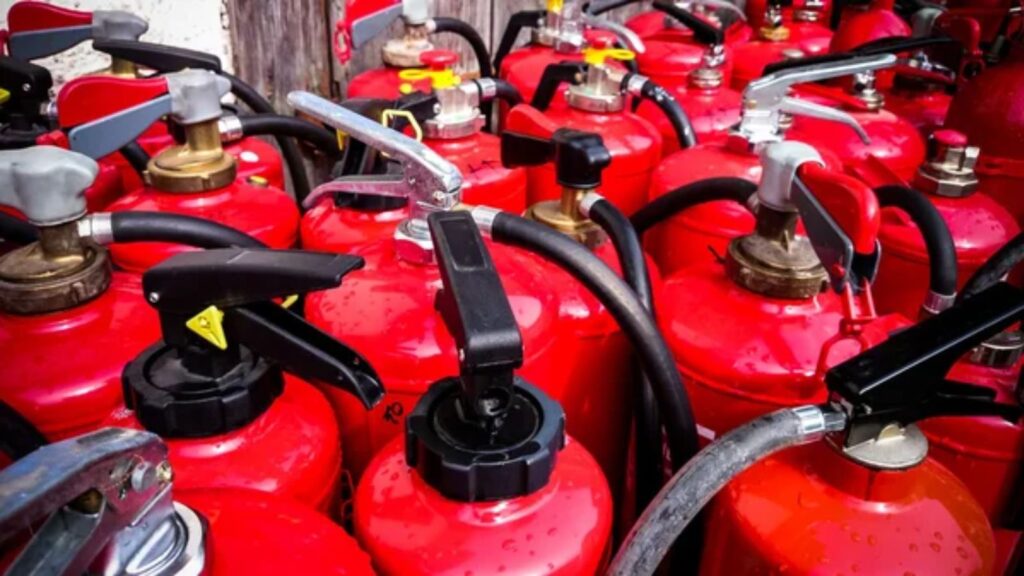
Fire Extinguishers
Preventing a small fire from spreading is far easier than dealing with the damage afterward.
Place fire extinguishers in high-risk areas such as the kitchen, garage, and workshop. Everyone in the household should know where they are and how to use them safely.
Emergency Radio
During an extended outage, staying informed can be just as valuable as having supplies.
A battery-powered, solar, or
Multi-Tool or Swiss Army Knife
A quality multi-tool earns its place quickly.
Having a knife, pliers, screwdrivers, scissors, can opener, and other tools in one compact package makes everyday repairs much easier. It’s useful around the house, while camping, or during any emergency.
Sewing Kit and Spare Fabric
Clothing and gear don’t always need replacing when they tear.
Keep needles, thread, scissors, buttons, safety pins, patches, and a few pieces of sturdy fabric together in one kit. Being able to repair clothing, blankets, backpacks, or curtains helps make everyday items last much longer.
Related: Easy Sewing Projects That Any Crafter Can Enjoy
Canning and Fermenting Supplies
If you grow your own food or buy produce in bulk, preserving it becomes an important skill.
Keep canning jars, replacement lids, rings, and basic fermenting supplies ready for use. Extra lids are worth stocking because they eventually wear out and need replacing.
Personal Hygiene Supplies
Cleanliness becomes much harder to maintain once regular shopping trips aren’t possible.
Keep extra soap, toothpaste, toothbrushes, toilet paper, feminine hygiene products, shampoo, razors, and cleaning supplies on hand. If you want to become more self-reliant, storing simple soap-making ingredients is another practical step that can pay off over time.


