If you’re buying a home or planning a move, it’s worth thinking about more than the neighborhood, commute, and nearby amenities. A serious emergency can change daily life in a matter of hours, and the place you call home may affect how well you handle it.
In the prepping community, these situations are often called SHTF scenarios. Nobody knows exactly what the future holds, but living somewhere with access to food, water, useful resources, and people willing to help can make a difficult situation easier to manage.
No location is completely safe, and every setting comes with its own risks. Still, if you have a choice about where to settle, these 15 types of locations may offer some advantages during a major crisis.
1. Rural Areas
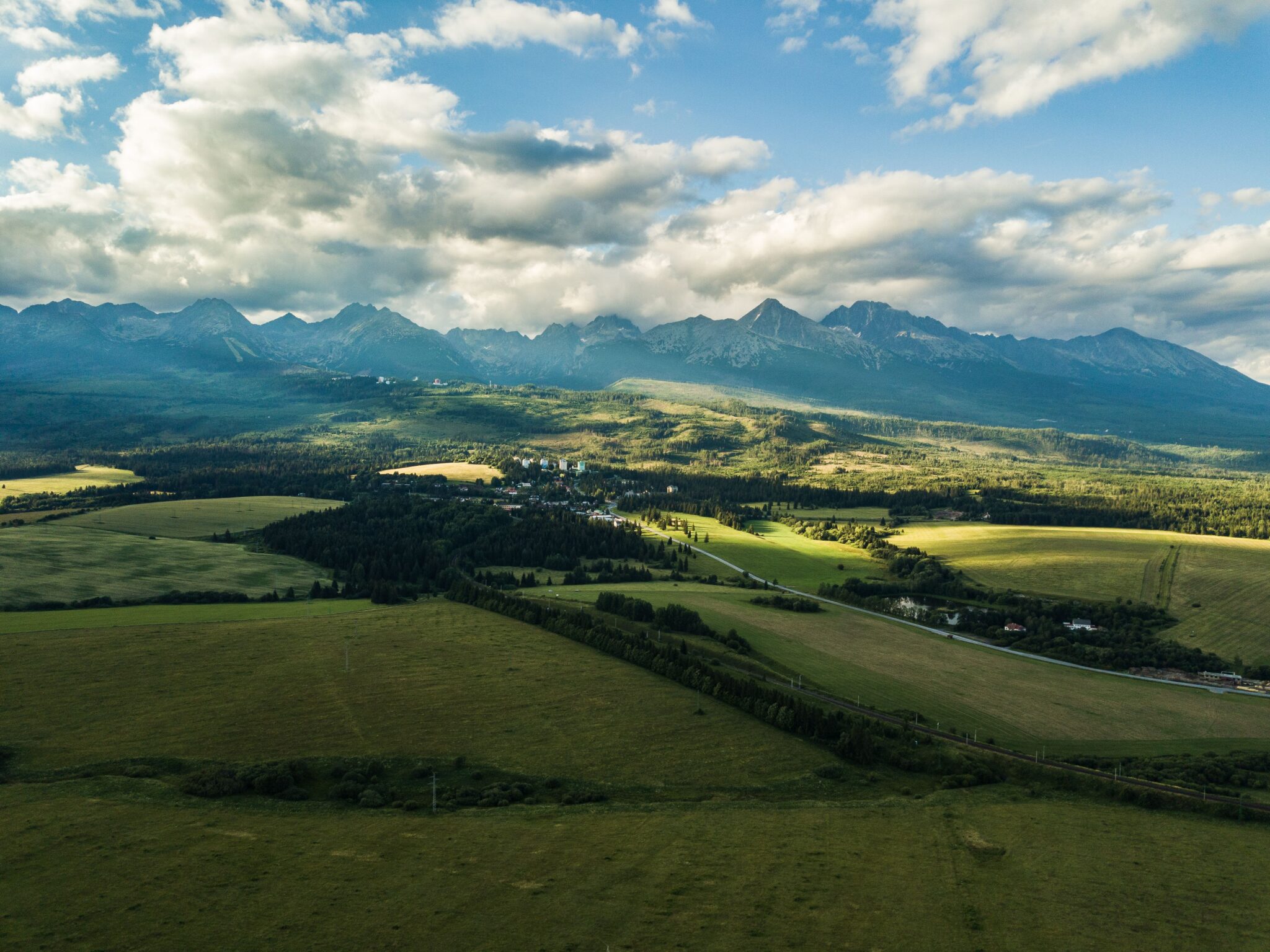
Rural properties often provide more room, privacy, and access to natural resources than homes in crowded cities. With enough land, residents may be able to grow food, raise livestock, maintain a well, and store supplies.
Related: 14 Unique Survival Hacks That Break All The Rules
2. Small Towns
In a small town, neighbors are more likely to recognize one another and have established relationships. That familiarity can make it easier to share information, check on vulnerable residents, and lend a hand during an emergency.
3. Mountain Regions
Mountain communities may offer access to streams, forests, and wildlife, along with some distance from large population centers. Life at higher elevations also brings challenges, including steep roads, harsh winters, and limited access to medical care and supplies.
Related: 20 Everyday Survival Skills That Become Valuable During Food Shortages
4. Remote Islands
An island far from major population centers may offer a degree of separation during widespread disruptions. Those with dependable freshwater, fishing grounds, and farmland may be better equipped to meet some daily needs locally.
5. Off-Grid Cabins
A remote cabin can offer a quieter lifestyle with fewer everyday dependencies on public utilities. Solar panels, a private well, wood heat, and space for growing food can be useful during long outages, provided the property has enough supplies and reliable access.
6. National Parks or Forest Areas
Living near a large forest may provide access to firewood, water sources, and materials for basic outdoor needs. These areas also require knowledge of local conditions, safe food gathering, wildlife, and the risks that come with living far from emergency services.
Related: 15 Survival Tricks Using Baking Soda That Are Surprisingly Useful
7. Farming Areas
Agricultural communities have the benefit of being surrounded by people who grow food and understand how to produce it. Nearby farms may also provide access to crops, livestock, equipment, and practical knowledge about raising and storing food.
8. Areas With Low Population Density
Places with fewer residents may face less competition for local supplies during an emergency. The trade-off is that remote communities can have fewer stores, hospitals, fuel stations, and emergency services.
9. Cold Climate Regions
Some colder regions have smaller populations and may offer distance from crowded urban areas. Living there requires reliable heating, warm clothing, insulated shelter, and enough fuel and food to get through severe winter conditions.
Related: 14 Survival Skills You Can Master Without Leaving Your Couch
10. High Altitude Locations
Homes at higher elevations may be less exposed to coastal flooding, tsunamis, and some other water-related disasters. The local risks still matter, since mountain roads, landslides, wildfires, snowstorms, and limited access can create serious problems.
11. Underground Shelters
A properly built underground shelter can provide protection from certain storms, extreme weather, and other immediate dangers. It is best treated as a temporary refuge, since ventilation, sanitation, water, food, and medical needs make extended stays difficult.
12. Areas Near Freshwater Sources
A dependable source of freshwater can be one of the most valuable resources during a prolonged emergency. Living near a lake, river, or spring may help with drinking water, gardening, and livestock, but the water still needs testing and treatment before use.
13. Homesteads
A working homestead can provide many of the basics needed for day-to-day living, including food, stored water, and alternative energy. Gardens, livestock, food preservation equipment, and practical skills can reduce reliance on outside supplies.
14. Deserted Islands
An uninhabited island may offer distance from population centers and some of the problems that come with crowded areas. Finding enough fresh water, food, shelter, and medical supplies would be difficult, so isolation alone does not make an island a safe place to live.
15. Well-Defended Communities
Some preparedness-minded communities organize around shared resources, practical skills, and plans for emergencies. Residents may work together on food production, security, supply storage, and helping one another during difficult periods.