A well-seasoned cast iron
The secret is knowing how to clean it without damaging that hard-earned seasoning. Most of the time, cleaning cast iron is much easier than people expect. The right method depends on what’s left in the pan, whether it’s a light coating of grease, stuck-on food, or a little surface rust.
Here are 15 ways to clean and care for your cast iron
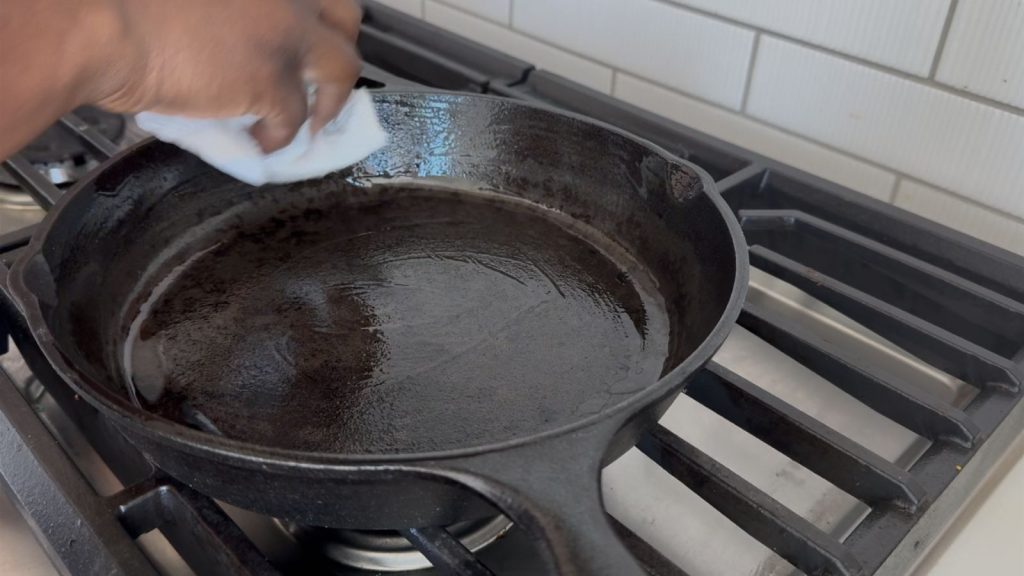
1. Wipe It Clean With a Paper Towel or Cloth
Best for: Light grease and small food crumbs.
If the
2. Rinse With Hot Water
Best for: Everyday cleanup.
For most meals, hot water is enough to clean your
3. Use a Plastic Scraper
Best for: Food that’s lightly stuck.
A plastic or silicone scraper can lift stubborn food without scratching the cooking surface. Scrape away any residue, rinse with hot water, then dry the
4. Scrub With Kosher Salt
Best for: Stuck-on food that needs a little extra help.
Coarse kosher salt acts as a gentle scrubber. Sprinkle a generous amount into the
5. Boil Water in the Skillet
Best for: Burned-on food.
Instead of scraping endlessly, pour about half a cup of water into the
6. Try a Chainmail Scrubber
Best for: Tough residue that won’t come off easily.
Chainmail scrubbers are made for cast iron and remove stubborn food without stripping away healthy seasoning. Wet the
7. Dry the Skillet Over Heat
Best for: Every time water is used.
Even a small amount of leftover moisture can lead to rust. After washing, place the
8. Rub on a Thin Coat of Oil
Best for: Regular maintenance.
Once the
9. Use a Little Dish Soap if Needed
Best for: Heavy grease or lingering odors.
Modern dish soap is much milder than older formulas, so using a small amount once in a while won’t ruin a well-seasoned
10. Make a Baking Soda Paste
Best for: Strong odors.
If your
11. Scrub With a Potato and Salt
Best for: A natural scrubbing method.
Cut a potato in half, sprinkle coarse salt into the
12. Use a Cast Iron Cleaning Brush
Best for: Frequent cast iron cooking.
A brush made for cast iron has stiff bristles that remove food without damaging the seasoning. After rinsing the
13. Re-Season the Skillet
Best for: A pan that’s losing its slick cooking surface.
If food starts sticking more than usual or the finish looks dull, it’s time to refresh the seasoning. Clean and dry the
14. Remove Light Rust With Vinegar
Best for: Small patches of surface rust.
Mix equal parts white vinegar and water, then soak the rusty area for one to two hours. Scrub away the rust with a stiff brush or fine steel wool, rinse well, dry immediately, and re-season the
15. Use Steel Wool for Heavy Rust
Best for: Severe rust buildup.
If rust has spread across the
A little routine care goes a long way with cast iron. Wipe it clean after each use, dry it thoroughly, and keep a light coating of oil on the surface. Do that consistently, and your