A crowded pantry can make everyday cooking more frustrating than it needs to be. Old food gets pushed to the back, duplicates pile up, and before long, you’re buying another bag of rice or box of cereal because you forgot you already had one.
A pantry cleanout doesn’t have to mean throwing away half your groceries. The goal is to get rid of food and clutter that no longer serves a purpose, while making room for the things you actually use.
Take a shelf at a time and look for these eight categories.
Expired or Spoiled Items
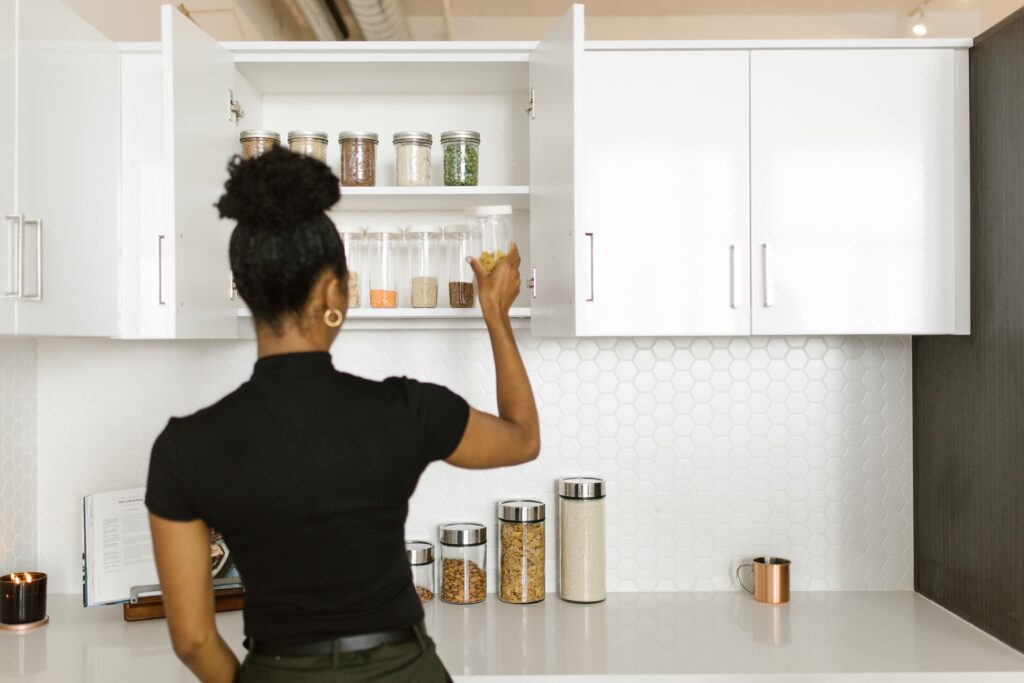
Start with anything that has clearly gone bad or is no longer safe to eat. Check cans, boxes, jars, and packages that have been sitting around for months or years.
A few minutes spent checking dates and the condition of your food can free up a surprising amount of space. See this guide to foods that last well beyond their expiration date if stored correctly for more information.
Look for:
- Expired canned goods
- Stale or spoiled snacks
- Very old spices and seasonings
- Expired baking supplies
- Condiments that are past their usable date
If something smells strange, shows mold, has an unusual appearance, or has damaged packaging, it’s better to throw it away.
Duplicates or Excess Items
Pantries have a funny way of collecting multiples of the same thing. You buy another bottle because you can’t find the first one, then discover three more hiding behind the cereal.
Group similar items together so you can see what you actually have. If you have more than you’ll reasonably use, move the extras to another storage area or share them with someone who needs them.
Keep an eye out for:
- Multiple open bags of the same food
- Extra condiments you rarely use
- Several half-empty boxes of cereal
- Multiple packages of the same baking ingredient
Foods You Don’t Like or Won’t Use
There’s no reason to let food you dislike take up pantry space indefinitely. Maybe it was a gift, something you bought for a recipe, or a snack that sounded good at the store but never became a favorite.
If the item is unopened and still safe to eat, consider giving it to a friend, neighbor, food pantry, or local community organization.
Clear out things such as:
- Food gifts nobody enjoyed
- Specialty ingredients bought for one recipe
- Snacks your household never reaches for
- Diet foods you no longer eat
Freeing up this space makes it easier to see the foods you actually enjoy.
Damaged or Unusable Foods
Give your pantry shelves a close look for packages that have been crushed, torn, soaked, or exposed to poor storage conditions.
Some damage is more than cosmetic. A leaking package or badly damaged can may leave food unsafe to consume.
Check for:
- Canned foods with severe dents, rust, or bulging
- Opened or torn packages
- Food that has become stale or soggy
- Packages showing signs of insects or moisture
If you aren’t confident that something is safe, don’t take the risk.
Non-Food Clutter
Pantries often become catch-all storage areas. A few grocery bags turn into a giant pile of bags. A couple of spare containers become a shelf full of lids nobody can match.
Take out anything that doesn’t belong there or that you haven’t used in ages.
This might include:
- Cracked or damaged storage containers
- Reusable shopping bags you never reach for
- Disposable forks, spoons, and napkins
- Worn-out shelf liners
- Random household items that found their way onto pantry shelves
Give these things another home if you still use them. If they’re damaged or useless, it may be time to let them go.
Overstocked Items
Buying in bulk can save money, but only if you actually use what you buy. A bargain isn’t much of a bargain if the food sits untouched until it expires.
This is especially easy to do after shopping at warehouse clubs, cash-and-carry stores, or grocery surplus outlets.
Look through your stockpile for:
- Food that has been sitting around too long
- Outdated meal kits
- Expired meal replacement powders
- Pet food you no longer need
- Large quantities of food nobody in the house wants
If you have more than you can use, see if a friend, neighbor, or local food pantry can make use of unopened items.
Unnecessary Junk
A pantry can slowly turn into the place where random kitchen stuff goes to disappear. Before long, you’re digging through condiment packets and old menus just to find a bag of flour.
Pull out anything that has no real reason to be there.
That can include:
- Plastic utensils and straws
- Single-serve condiment packets
- Takeout menus, old coupons, and receipts
- Duplicate kitchen appliances
- Specialty tools you never use, such as a dough scraper or
garlic roaster - Old or unused cookbooks
If you have two appliances that do nearly the same job, keeping both may be taking up more room than they’re worth.
Foods You No Longer Want to Keep
Sometimes a pantry cleanout is a chance to rethink what you regularly buy. If certain foods have been sitting untouched because you’re trying to eat differently, there’s no need to keep buying them out of habit.
That doesn’t mean every sugary snack or processed food has to disappear. It’s more about being honest about what your household eats.
You might find:
- Sugary snacks nobody reaches for
- Artificially flavored foods you no longer enjoy
- Highly processed snacks you’re trying to cut back on
- Foods that no longer fit your dietary needs
For unopened items, donating them can keep perfectly good food from going to waste.
Once the unwanted items are gone, wipe down the shelves and put the foods you use most often where they’re easy to see. A pantry doesn’t need to look perfect. It just needs to make sense for the people using it.